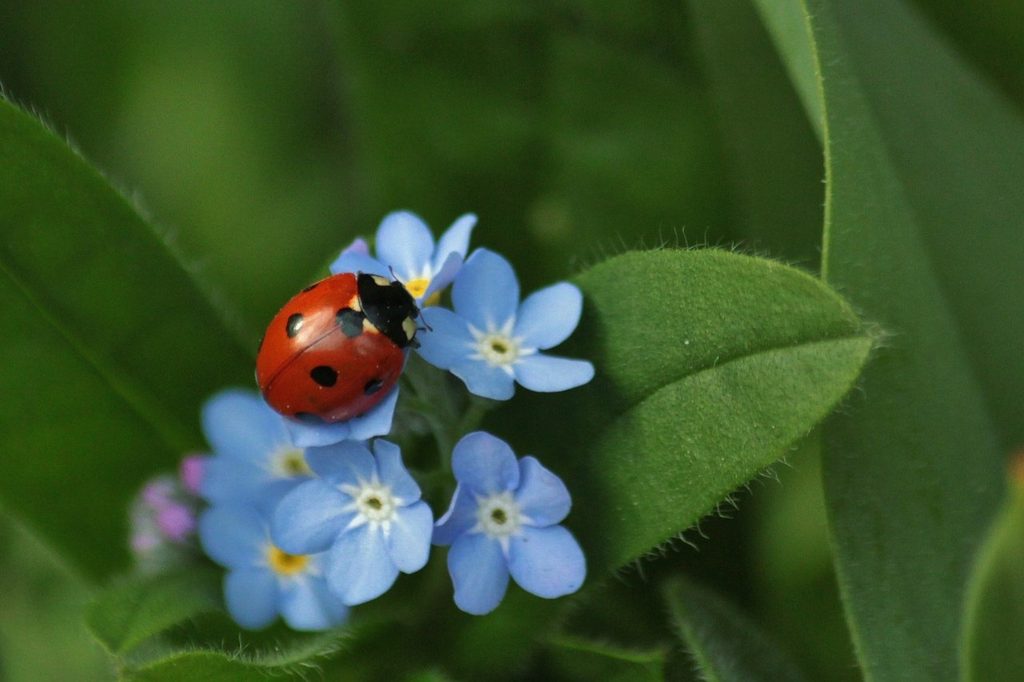
If you’re looking for a dainty, lovely flower to use as a ground cover in your garden, you can’t go wrong with forget-me-nots. Delicate in appearance but deceptively hardy, they make the perfect additions to cottage or woodland-style landscape designs. However, these sweet-looking flowers are native to Europe and invasive in the U.S., and they can quickly spread out of control.
If you want to grow these beautiful flowers without them taking over your garden, this is the guide for you. To keep your flower healthy and under control, this forget-me-nots care guide will break down everything you need to know.
What are forget-me-nots?
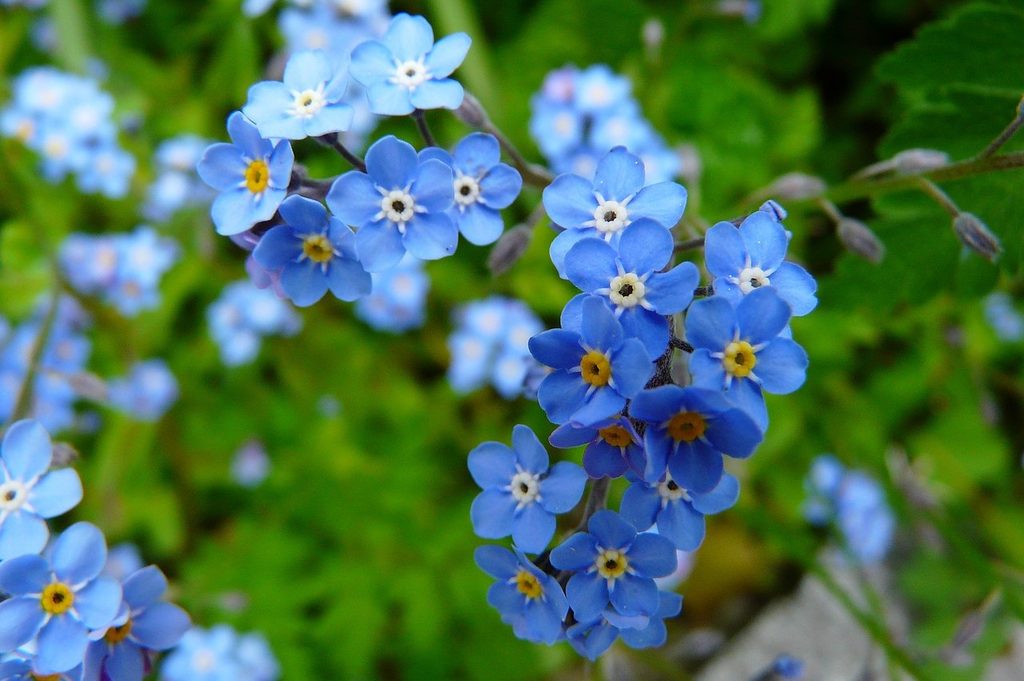
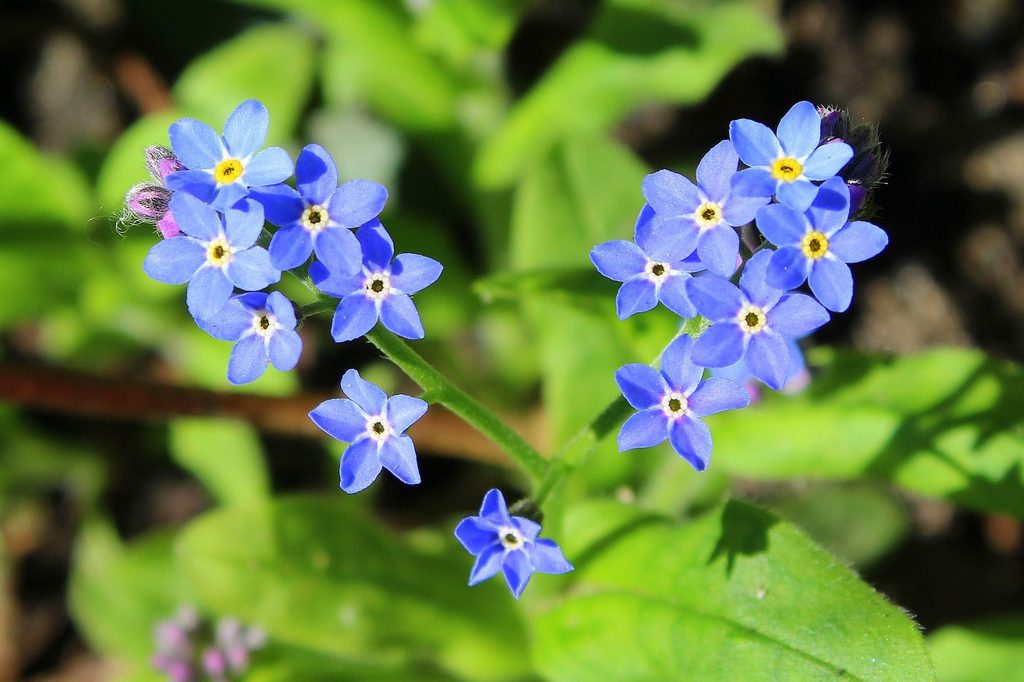
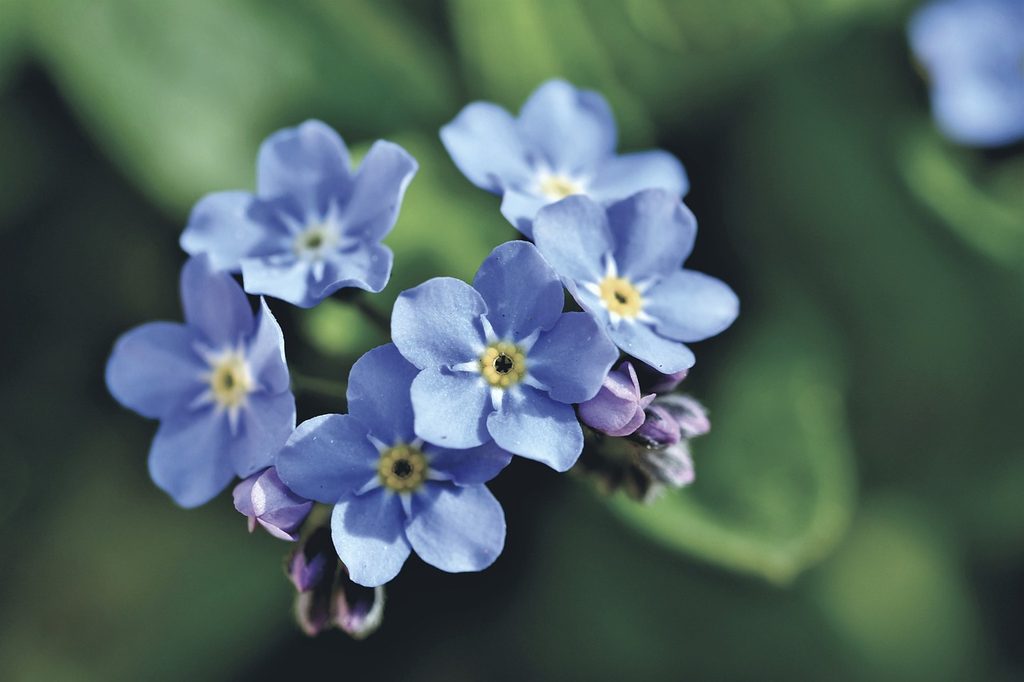
Consisting of about 50 different flowers in the Myosotis genus, forget-me-nots are hardy in zones 5 through 10. They can be white or pink, but they are most commonly blue with yellow centers and five petals. When mature, they stay relatively small at around 5 inches tall. Attractive to butterflies and bees, they’re fast-spreading plants, growing in clusters that can quickly take over as they self-seed and bloom for months.
How do you plant forget-me-nots?
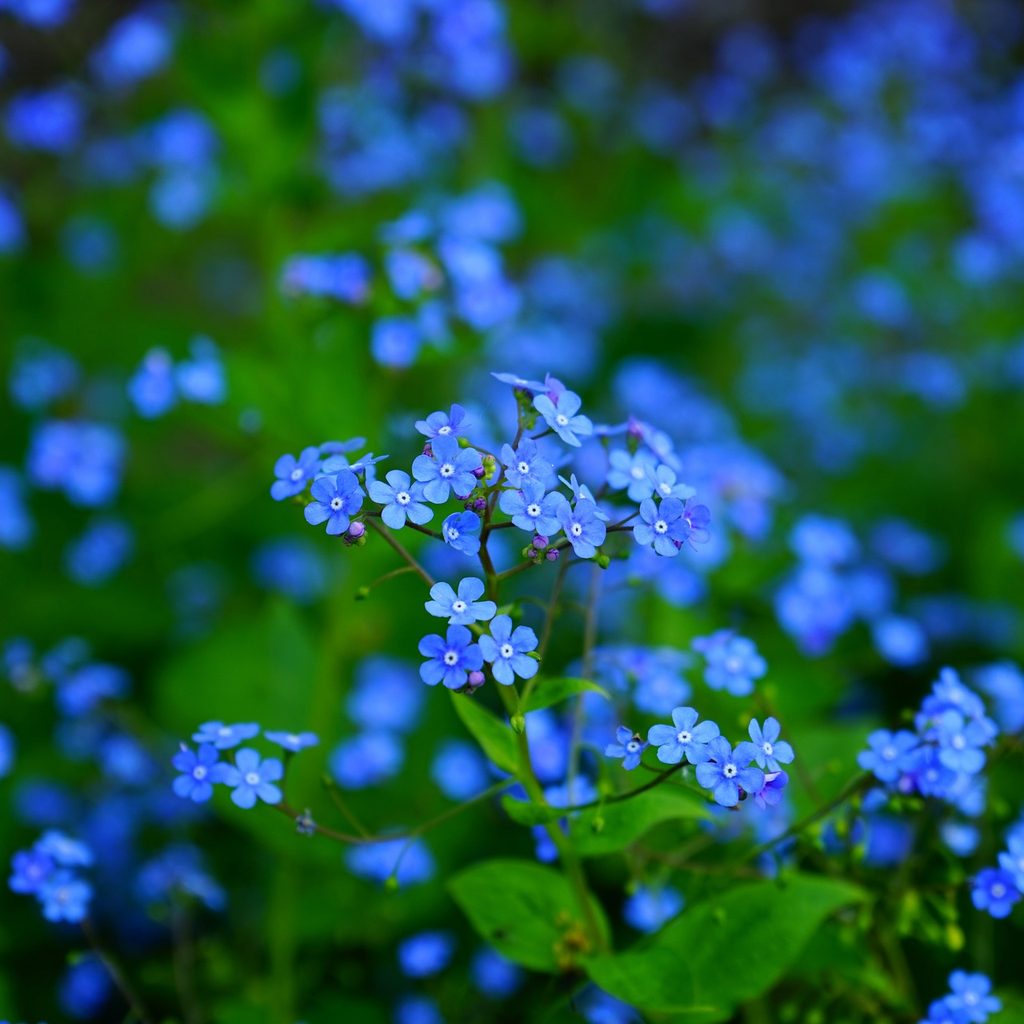
Starting forget-me-nots is easy, and you can plant them in your garden or grow them in a container. About 10 weeks before the last frost, you can start your flowers indoors. Alternatively, you can also wait until the last frost has passed to sow them directly outside. The advantage of growing forget-me-nots in containers is that you limit their fast spread. If you place your forget-me-nots in planters, choose a plastic pot for optimal water retention.
In either case, sprinkle two to three seeds per inch of soil. Once the last frost has passed, you can harden your forget-me-nots and bring them out into the garden.
How do you care for forget-me-nots?
Forget-me-nots are easy to grow, but they won’t coast by on total neglect. Here are a few tips on forget-me-nots care for lovely blooms throughout the growing season.
- Light: These cheerful flowers generally do well with partial afternoon shade. However, if you live in a northern region, your forget-me-nots may do well in full sun. When you grow them in containers indoors, keep your forget-me-nots in bright light next to a southern or eastern window. Remember, the more light your forget-me-nots receive, the more water they’ll appreciate.
- Water: When they’re not used for garden landscapes, forget-me-nots grow next to marshes and riverbanks, so they do well with consistent watering in homes and gardens. They like well-draining but moist soil and tolerate wet feet. During the growing season, water your forget-me-nots when the top three inches of soil feel dry to the touch — this may be as much as three to four times per week at the height of the growing season. That said, you probably only need to water your flowers once or twice a month during the winter.
- Temperature: Forget-me-nots can do well in both cold and hot conditions. However, their sweet spot is in the 60 to 70 degrees Fahrenheit range, so providing them shade in the summer months is ideal.
- Fertilizer: These dainty blooms don’t require nutrient-rich soil to do well. In fact, you only need to feed them twice throughout the growing season. If your foliage looks yellow or wilted, you can increase your fertilizing cadence to once a month, using a 5-10-10 fertilizer to boost your flowers.
What should you do with forget-me-nots after flowering?
Do forget-me-nots come back every year?
Forget-me-nots are quick growers and are even considered invasive in some areas. You won’t forget forget-me-nots: They come back every year if you live somewhere where they’re perennial, which is typically zones 5 through 11. Note that hardiness may, of course, depend on the flower variety and your particular microclimate.
Usually, however, they’re biennials, displaying most growth during their second year after planting. Even annual varieties can come back after the winter because forget-me-nots self-seed and can grow again in the spring. If you have forget-me-nots setting seeds in your garden, it’s unnecessary to plant them again the following year.
Do you cut back forget-me-nots?
After your forget-me-nots bloom, clean them up by pinching back spent flowers. To control forget-me-not growth, you can pull them up or deadhead them before they self-seed to keep them from spreading. You can also cut them down to the ground to clean them up if you have a perennial variety — get lovely cut flowers while tidying up around your garden.
What are the best companion plants for forget-me-nots?
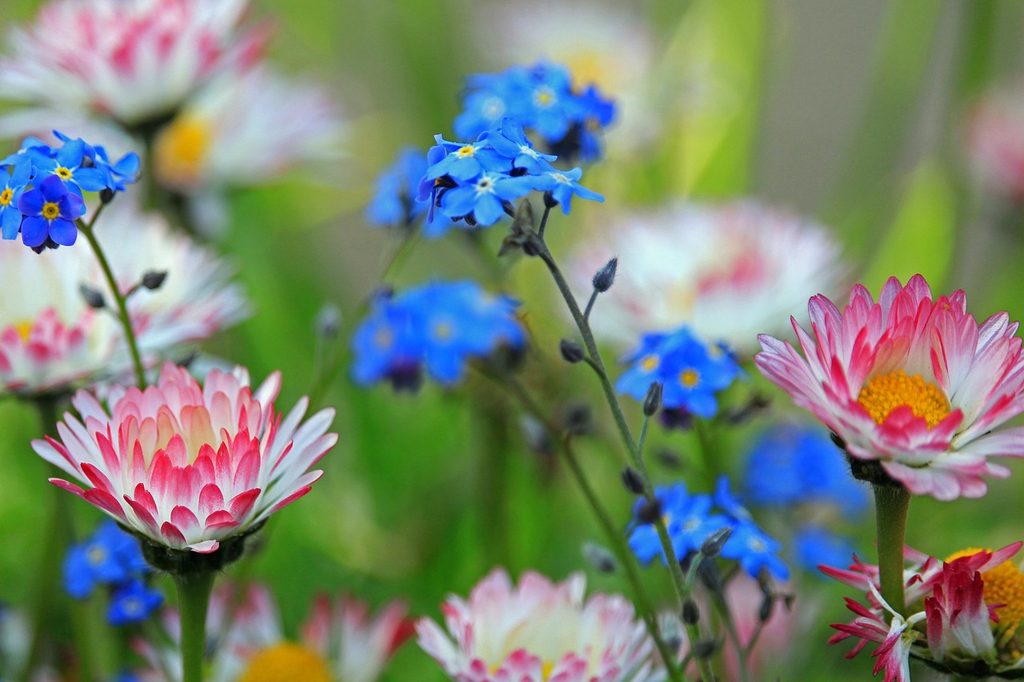
Forget-me-nots make excellent companion plants for other spring-blooming, low-growing flowers. Daisies, columbine, daffodils, and tulips all look amazing next to forget-me-nots, both in gardens and as cut flower arrangements. If your garden doesn’t have much natural shade, planting your forget-me-nots with taller flowers such as tulips and irises can give them a little shade during the afternoon. To add some extra foliage, try planting ferns, hostas, or heuchera alongside your forget-me-nots.
When growing forget-me-nots in a container, make sure to take the container’s size into account. Avoid crowding your flowers, as this can cause your flowers to struggle to thrive. Depending on the size of your container, you may need to stick to smaller plants, such as ferns, crocuses, and cosmos, while larger containers may be able to host daffodils, tulips, and irises as well.
Forget-me-nots are some of the easiest flowers to grow, which makes them ideal for bloom novices. The catch is that you’ll want to water them consistently during the hotter months and make sure to prune them back if they start to spread profusely. With a careful eye on these two factors and other planting conditions, you’ll be able to appreciate lovely blooms every growing season.