Kitchen herb gardens have a long history and have been gaining in popularity again. It’s nice to have something fresh to cook with that can give your meals an extra boost, whether you’re cooking to impress guests or just looking to liven up your personal meals. Propagation can be an extremely useful tool for any gardener, and that’s true for indoor herb gardens, too! Whether you’re looking to double your harvests or give plants as a gift, propagation is a great way to turn one plant into several. If that sounds like something you’re interested in, here are five herbs you can propagate indoors and how to do it.
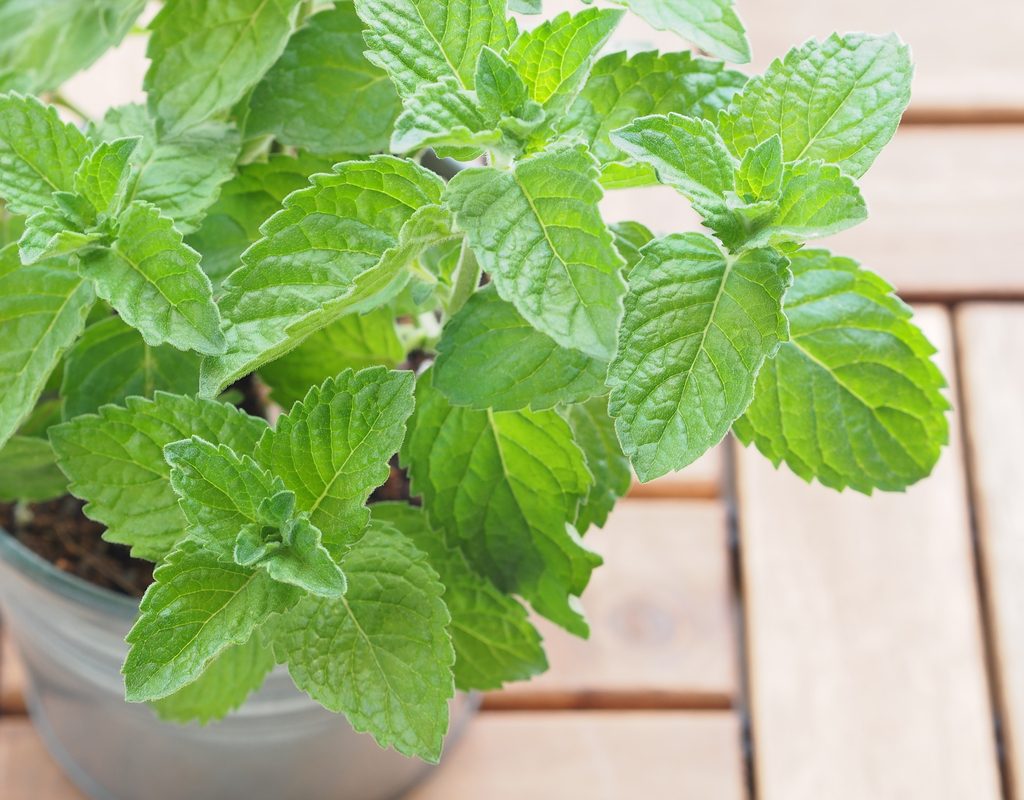
Mint
Mint is quite possibly the easiest herb to propagate, and it will propagate using almost any method. Mint is a spreader when left to its own devices, but, in pots and containers, this isn’t always the most effective way to propagate it. Instead, here’s how to propagate mint in water.
Take a cutting from your mint plant. Choose a healthy, strong stem or two and cut off the top several inches with a sharp knife or garden scissors. Place the stem in a glass or vase of water, but be careful not to let the leaves touch the water! Leaves will rot when wet, so strip off any leaves that are at or below the water level.
Your mint will put out roots fairly quickly, and once you have a few thicker roots it’s ready to be planted. Gently remove the mint from the water and make sure all the roots are fully buried. Water it and watch it grow!
Rosemary
Rosemary can be propagated using softwood cuttings in water or hardwood cuttings in the ground. For indoor gardens, it’s more advisable to propagate rosemary in water, though. Find a long, flexible stem or two with good color. Rosemary can grow quite tall, so scale the size of your cutting to the size of your plant. You want at least a few inches, though.
Once you have your cuttings, gently remove the leaves from the bottom half of the stem. These leaves are still good, so feel free to use or save them as you see fit! Place the stem in a container of water, find somewhere to set it that isn’t in direct sunlight, and wait. Rosemary does root slower than some other herbs, so be patient. Changing the water with fresh room temperature water will help.
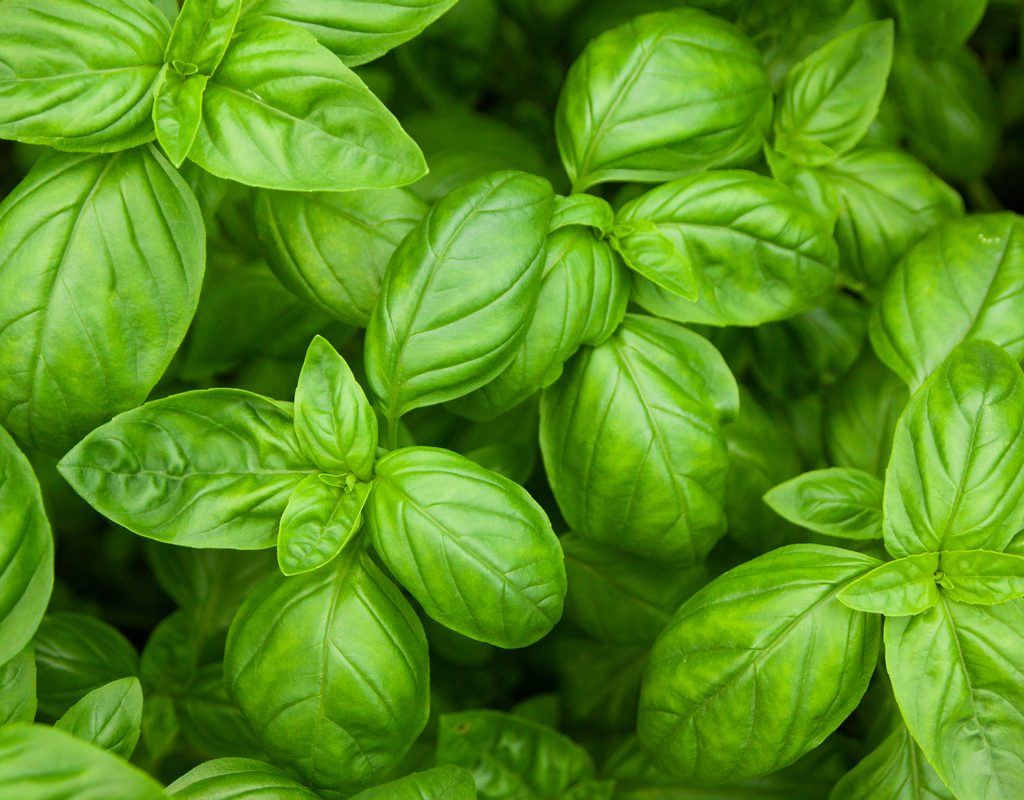
Basil
Basil is another easy herb that’s easy to propagate in water. The process is largely the same, take a cutting of a few inches from the plant, take the leaves from the bottom of the cutting, and place the cutting in a container of water. However, there are a few key differences.
When taking your basil cutting, it is important to cut it just beneath a leaf node. Place the water with the basil somewhere with plenty of light, and change the water every few days or once or twice a week, but stop changing the water once the roots begin to grow. When the roots are a couple inches long, the basil is ready for planting.
Lavender
Lavender is a beautiful, fragrant herb, and it can be propagated in a couple different ways. In winter, though, your best bet is to root a cutting in soil. When choosing the stem to take a cutting from, look for thick, sturdy, healthy stems that don’t have any flowers or buds. Remove the leaves from the bottom quarter of the cutting, and gently scrape the surface of the stem. You want to just scratch the skin of the stem to promote growth.
While it isn’t a great idea to plant the cutting directly back into the pot with the plant it came from, the potting mixture you have the initial lavender plant in will work fine for the cutting. When you plant the cutting, scraped side down, tuck it in carefully so that it stands up straight. Covering the pot with a plastic lid that lets in light will create a greenhouse for your cutting, helping it grow and protecting it from the cold.
Oregano
Oregano is another herb that propagates better in water, and the process is mostly standard. Select your stem carefully, checking the leaves for any signs of disease like discoloration or pests like holes. Cut a few inches from the top of the stem, remove the leaves on the bottom half, place it in water, and set it somewhere that is brightly lit but not in direct sunlight.
With oregano, some gardeners prefer to use root hormones, which stimulate the development of roots. These hormones can be used on any plant, but not all gardeners are fond of them. Some gardeners have begun experimenting with using honey instead of rooting hormones and report some success.
These five herbs are just the beginning, but now you have a great starting point for your propagation journey. Turn one plant into several for gifts, to flesh out your garden, organize plant trades with your friends, go wild! With these easy to propagate herbs, you won’t have to worry about unseasoned food or lackluster harvests.