Have you ever panicked over a yellow leaf or beat yourself up over a plant dying? It’s time to follow @houseplantjournal on Instagram, stat! This popular plant account is run by Darryl Cheng, who’s beloved for his even-keeled approach towards plant maintenance. House Plant Journal has been operating for a minute now: First on Tumblr, then on YouTube, and now on Instagram. Cheng’s approach to plant care is a sensible and forgiving one—he views plants as dynamic living beings that interact with their environment and grow or struggle accordingly.
An engineer by trade, Cheng suggests that having a green thumb isn’t so much about luck as it is about being observant with your plants and accepting their limitations. Known for time-lapse pictures of his plants, he offers tips on lighting, watering, and other general plant care tips based on detailed observations. So what are some of his best tips? We’ve gathered our favorite ones below!
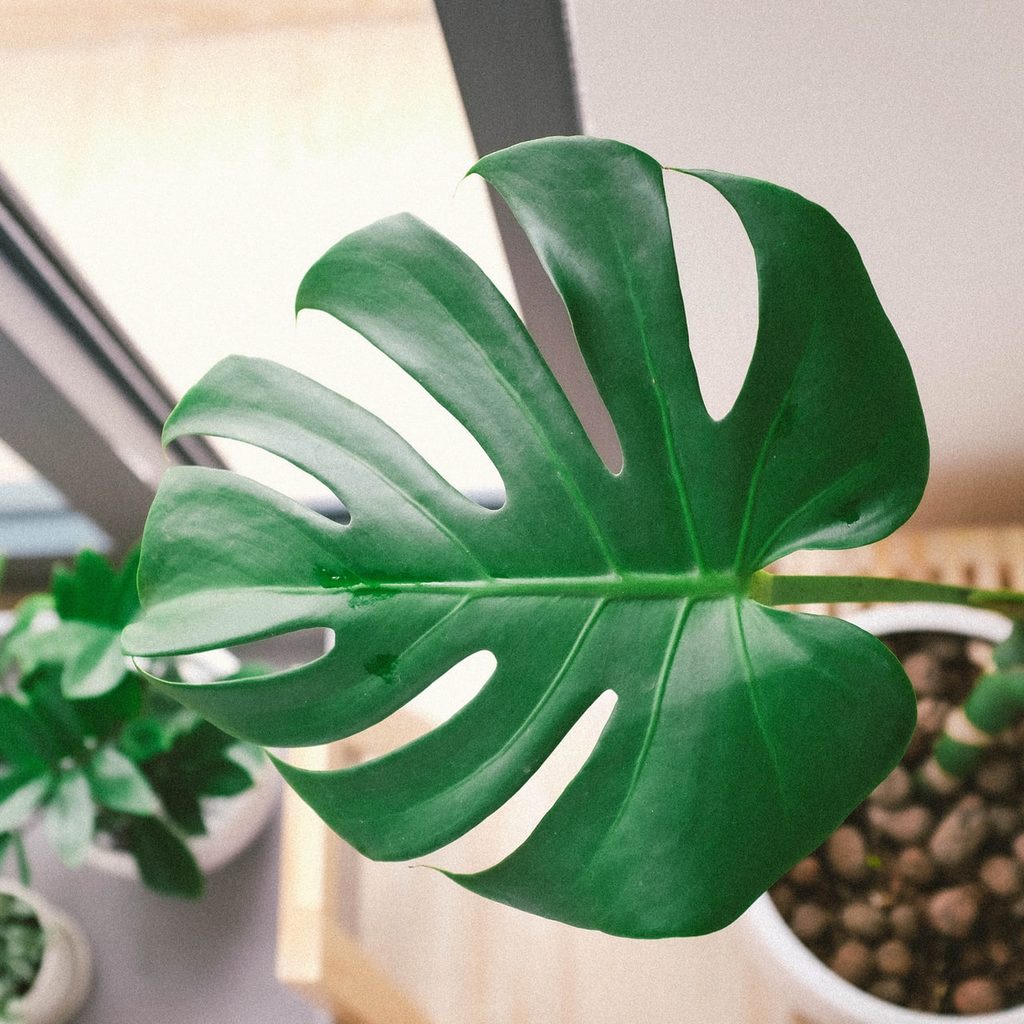
1. Plant care in the long haul means that you’ll face problems from time to time.
In one post, Cheng contemplates the staghorn fern that he’s had since 2015. Though his picture features a lush and healthy fern, Cheng explains that his plant hasn’t always looked like this, as he’s battled mealybugs and cut off dead leaves from time to time. Many fronds on his staghorn have come and gone, but he reassures us that’s this is no cause for panic because older leaves will fall off.
2. Understand that leaves have a limited lifespan—plants change and grow all the time.
Speaking of older leaves falling, Cheng reminds us that leaves have a limited lifespan. Yup, even leaves on coveted houseplants such as his monstera Thai constellation will die out. While you might think that you’re doing something wrong when a leaf starts yellowing, it’s really a matter of when, not if, a leaf will die. When it’s gone, simply thank it for doing its job photosynthesizing!
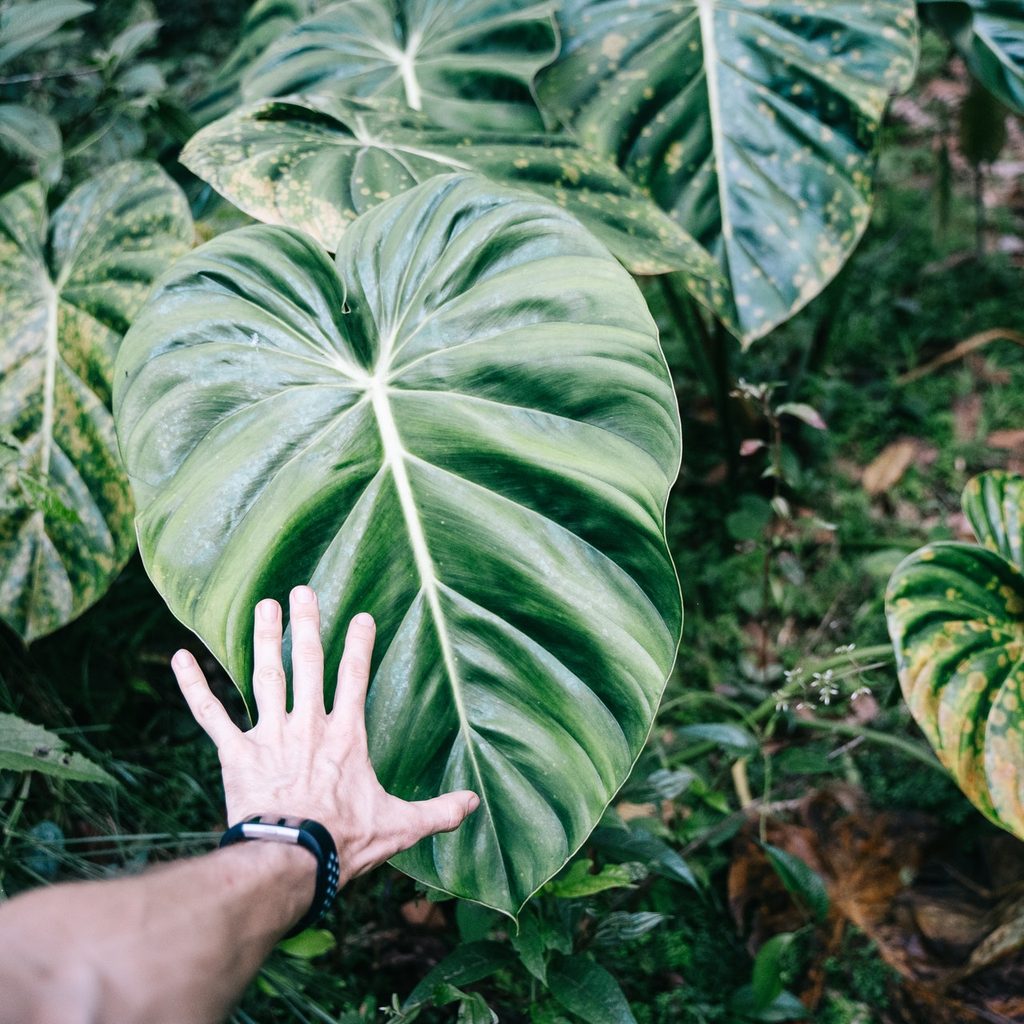
3. Leaves don’t need to be perfect to function for your plant.
If crispy leaves are the bane of your existence, just remember that they don’t have to be perfect to be functional! While there are few things more satisfying than a flawless glossy green leaf, don’t fret if not all of your foliage looks fresh and new. There could be a gamut of reasons why your plant has rough edges—too much fertilizer, hard water, or dry air could all be culprits. But a brown edge here and there is nothing to worry about. In a post featuring a calathea orbifolia, Cheng reminds us that though his leaves have imperfections, his plant is still thriving. Calathea plant owners will know the struggle of crispy edges all too well, but it’s very possible for a prayer plant to be thriving even if it has brown bits.
4. When you view your plants as companions rather than decor pieces, you’ll be okay with their imperfections.
In one House Plant Journal post, Cheng discusses the ABCs of appreciating houseplants: A stands for aesthetics, B for biology, and C for companionship. While there’s nothing wrong with enjoying the aesthetics of a gorgeous new plant, we should remember the last two letters. So, what does Cheng mean by biology? When we consider leaf transpiration, whatever is in our water “will eventually wear out the leaf tips and they’ll become crispy brown.” Think of browning leaves as natural biology instead of something that can be 100% prevented. And with companionship, consider your plant a botanical friend that changes over time instead of a decor piece—this way, you can appreciate all that it’s been through!

5. Plants don’t stay perfect, even when you follow care instructions.
Last but not least, proper care doesn’t necessarily ensure perfect plants. You’ll be most at peace if you understand the balance between environmental conditions and nature when caring for your plants. In an Instagram carousel, Cheng tracks the progress of his alocasia plant, which had steadily been losing leaves over the fall and winter. After meticulously reviewing how little light it had been getting, he concluded that the plant would be better off waiting for more light in the spring. Even with proper care, the seasons and your environment can impact your plant’s growth. Don’t feel too bad if your plant is struggling even after you’ve checked all the boxes for its needs.
If we had to sum up Cheng’s advice about houseplant maintenance into a pithy one-liner, it’d be something along the lines of “keep calm and carry on.” The next time you find a green friend wilting in despair, think about these tips from House Plant Journal to take the next step forward.
For content that offers a pragmatic and forgiving approach towards plant care, follow @houseplantjournal on Instagram!