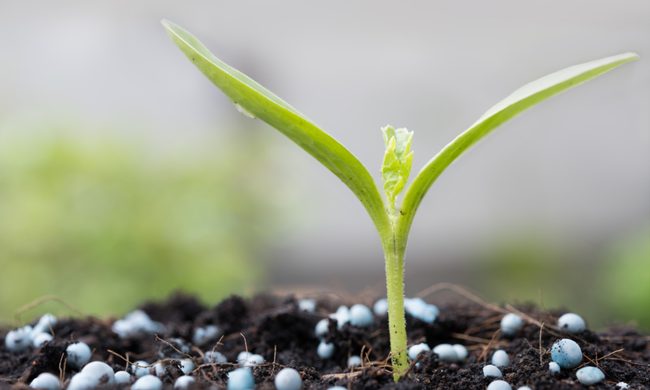
Plants and trees detect seasonal changes, and they change accordingly. Shrubs, deciduous trees, the grass in your yard, evergreens, and the plants in your garden all adapt themselves to seasonal changes.
For example, in November, you’ll begin seeing things like azaleas beginning to lose leaves as they turn a yellow or reddish color and begin to fall. Shorter days and nights where you start to feel a chill lead to sometimes profound physiological changes in how plants grow and behave.
If you’re someone who loves gardening (and you must be since you’re here reading this!) and found yourself wondering how plants seem to know how to adjust throughout the year, this article is for you.
How plants detect seasonal changes
It might sound overly simplistic, but in a nutshell, one might say that plants of all types are programmed to respond to outside temperatures, length of the day, soil conditions, and rainfall. For instance, this internal programming allows a tree to keep its leaves in southern Texas or Florida but lose them entirely in Ohio.
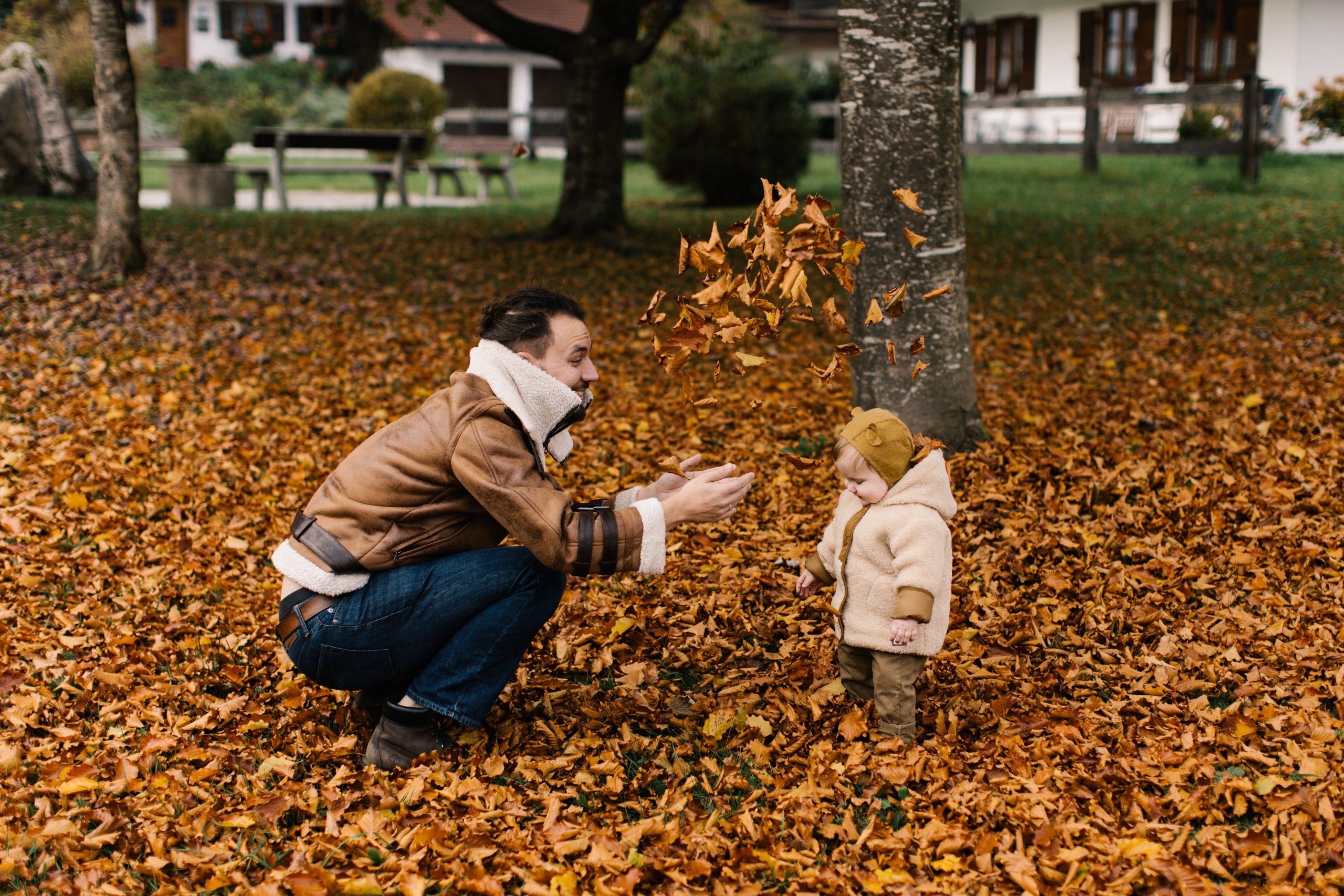
Remember that the length of days and nights fluctuates as the Earth travels around the sun. Now, as you probably know, the seasons are flipped between the Northern and Southern Hemispheres. In the Northern Hemisphere, beginning on the longest day of the year (the summer solstice) in June, the days start to get shorter and the nights longer. It happens gradually. In contrast, after the winter solstice (around December 21), the opposite occurs.
Now, plants know when to bloom based on the length of the night. However, the night’s length also causes some plants to expect winter’s imminent arrival, and they respond accordingly. This is why the trees mentioned above can start losing their leaves in Ohio while holding on to them in Southern states during the same time of year.
These amazing seasonal changes in plants are triggered by an assortment of phytochromes (pigments) that allow them to measure light over 24 hours. Various hormones, which cause a plant to form a bulb, bloom, or drop its leaves, are activated by these phytochromes.
In some plants, temperature also plays a role. For instance, as spring nears, peach trees and azaleas measure how cold the atmosphere is and for how long. After a certain number of cold hours, these plants have an internal mechanism that causes them to grow or bloom.
Interestingly, both gardeners and their plants depend upon the seasons to know when it is appropriate to do certain things.
Which plants should you choose based on the seasons?
Growing a fantastic garden year-round is entirely possible. Working with the tree changing seasons and not against them is crucial, however. When it comes to seasonal growth, you’ll need to think ahead to seasonal transitions.
In other words, you’ll need to take into consideration plants that are currently in season as well as those you should plant right now, which will bloom later. You’ll also want to think about things such as your garden soil’s pH, its moisture level, and the amount of sunlight falling upon it. Some gardeners use soil tester kits to measure those factors, but that’s up to you.
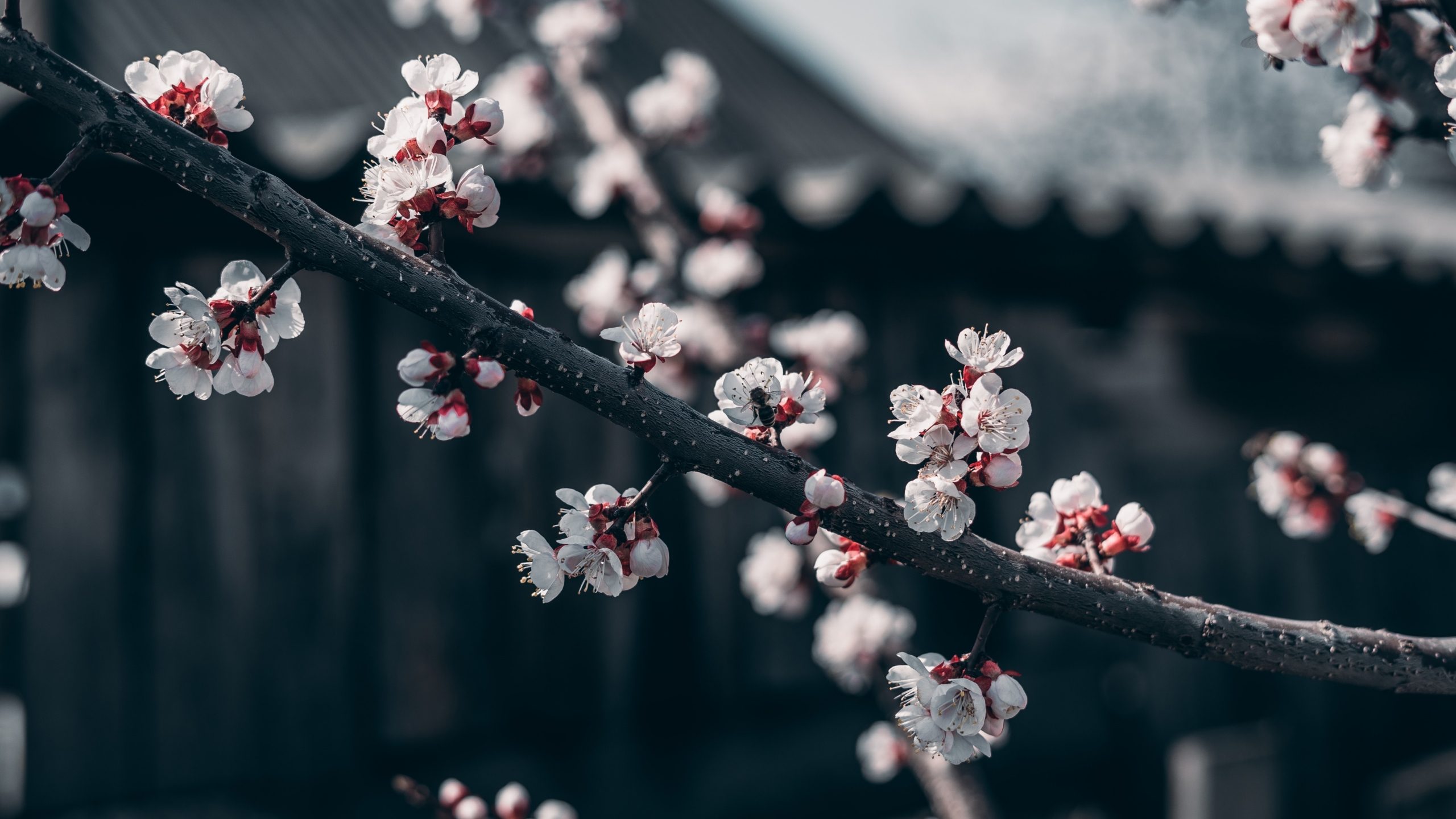
Other factors you should think about when moving through the various seasons are:
- Fall: Obviously a transitional season as summer gives way to winter, fall is a time when you should try to plant both shrubs and trees that will soon enter a dormant stage. These types are the sort to bloom early in the spring. Try to make sure that you plant when the soil is still workable and hasn’t become soggy or too hard.
- Think about planting “Snowflake” oakleaf hydrangea, spicebush, highbush blueberry, and “Winterthur” viburnum. All of these produce simply gorgeous colors!
- Winter: This is a time when you won’t be doing much planting. In most areas, the soil is problematic due to the cold, or it’s become saturated with water. Of course, that makes it super difficult for your plant to get the nutrients it needs. Instead of planting, winter is a season where you’ll be spending your time maintaining and protecting the plants in your garden.
- Some plants to consider planting now might be winter annuals, ornamental kales and cabbages, winter jasmine, and dogwood.
- Spring: Even people who aren’t gardeners recognize that spring is a time of vibrant colors as plants bloom worldwide. In your garden, those bulbs you planted back in early winter or in the fall begin to awaken, bloom, and reach up to the sky with joy. This is the season to get seeds for perennials, such as peonies and more. These plants are simply glorious to watch as they burst into color as the summer draws near!
- Summer: Most gardeners wait all year for summer. The soil conditions are perfect for annual flowering plants. Many of these plants don’t bloom until just before fall, allowing you to enjoy a wide array of color even as the seasons begin to transition.
- Think about planting “Harvest of Memories” irises, “Purple d’Oro” daylilies, and “Josee” lilacs.
What does it all mean for your garden?
Because plants change with the seasons, it’s important to know which plants are appropriate to each. Remember that when you know the right plants to put in your garden based on the four seasons, you can ensure an amazing kaleidoscope of foliage, texture, and color year-round.