Designing and setting up any kind of garden is a commitment, and it can be hard to know where to start. What plants do you choose? What style do you go with? How do you make it cohesive? There are many incredible garden styles you can choose from, including the relaxing Japanese zen garden and the more free-form prairie garden. One classic garden style you can choose is the English garden. If you aren’t sure what makes English gardens stand out or how to get started, don’t worry. We’ll walk you through everything you need to know to be successful.
What is an English garden?
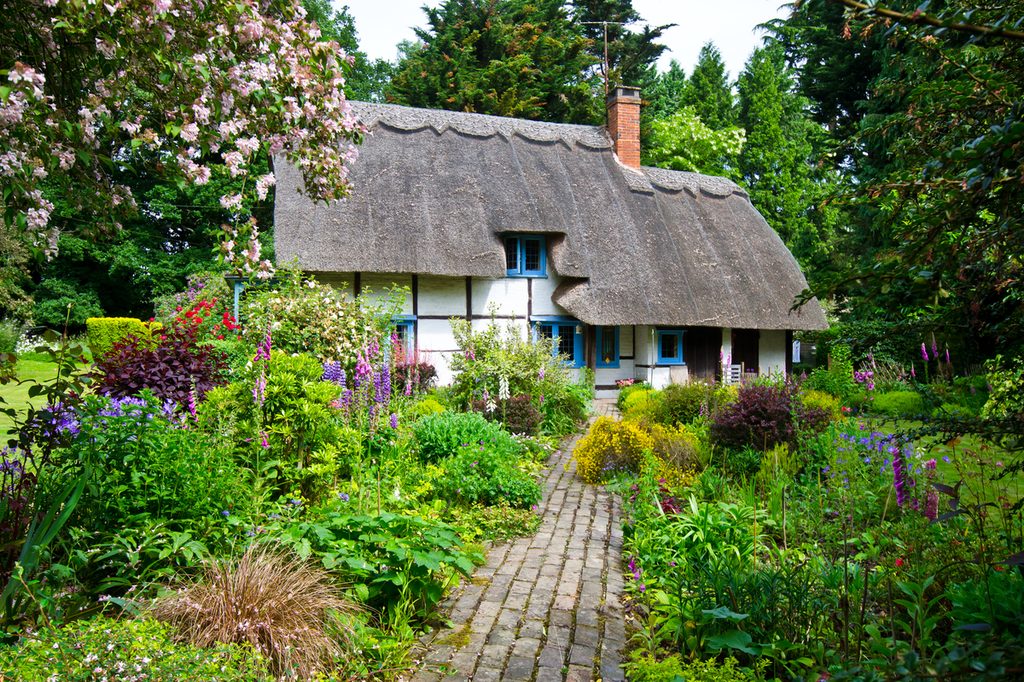
What defines an English garden relies heavily on which type you choose (we’ll touch on that later on). At the core, an English garden is identified by luscious flowers, hedges, healthy lawns, grasses, and herbs. Of course, environment is always a huge factor. The types of plants that can grow in traditional English gardens may not be able to thrive in your area, so you may need to make adjustments to the plants you include.
You may need to do some research into native wildflower species that are available in your region. Both types of English gardens, as you’ll see, will rely on the design and layout of your flowers and grasses, with a focus on intentional placement and natural looks.
The two types of English gardens
English gardens can be broken down into two categories: Cottage and country. Although both of these categories rely on intentionality and purposeful plant placement, the resulting aesthetic and appearance of your garden will vary depending on which type you want to recreate.
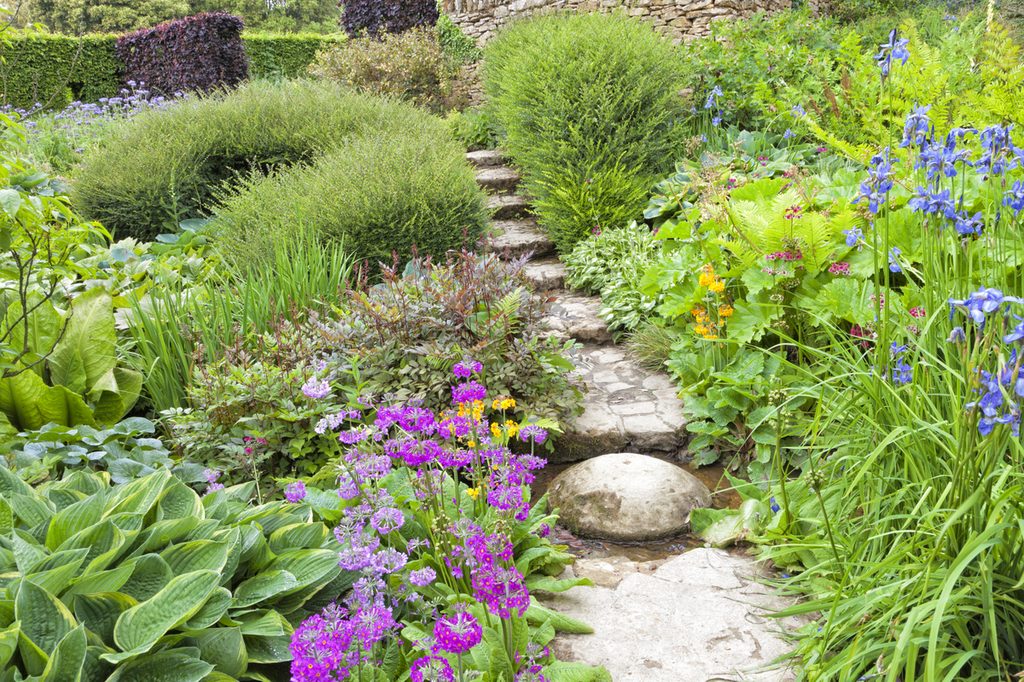
English cottage gardens are based on organized chaos. As such, they aren’t for everyone. The characteristics of this English garden include somewhat undefined flower beds (in the sense that there are no hard and fast edges of where the beds begin and end). English cottage gardens lend themselves to stone paths and picket fences, trellises, and colorful flowers. Although it can appear a bit messy to a passerby, this type of garden is very intentionally created to give an air of relaxation and contentment.
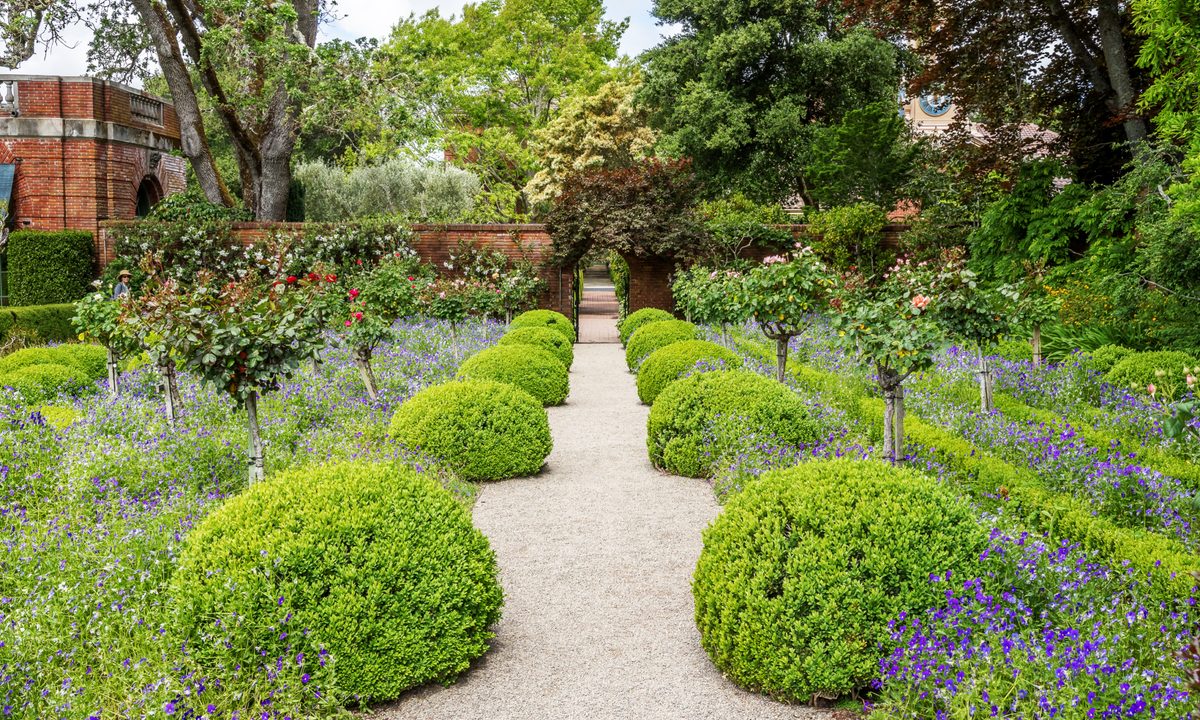
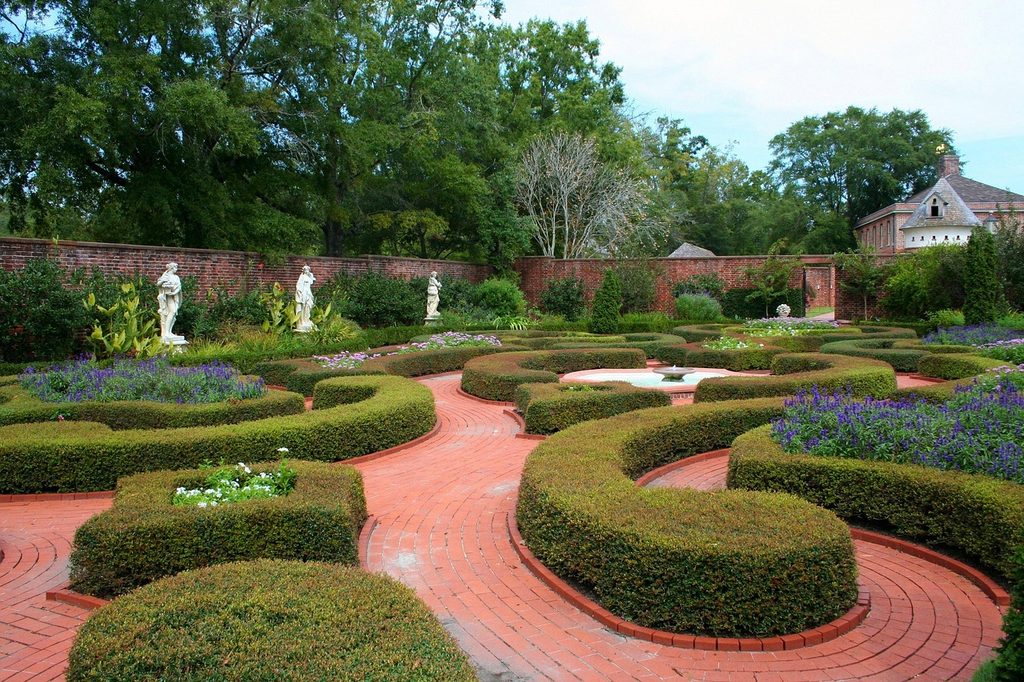
English country gardens, on the other hand, are based around defined lines and spaces. If you like to have a place for everything and have everything in its place, you’ll love the clear-cut garden beds and trimmed hedges that are featured in this style of garden. English country gardens lend themselves to larger spaces, often having paths leading from one distinct area to the next (but that doesn’t mean you can’t recreate it in a smaller lawn). The characteristics of an English country garden are perfectly suited for someone who likes definition and solid organization.
How to decide if an English garden is right for you
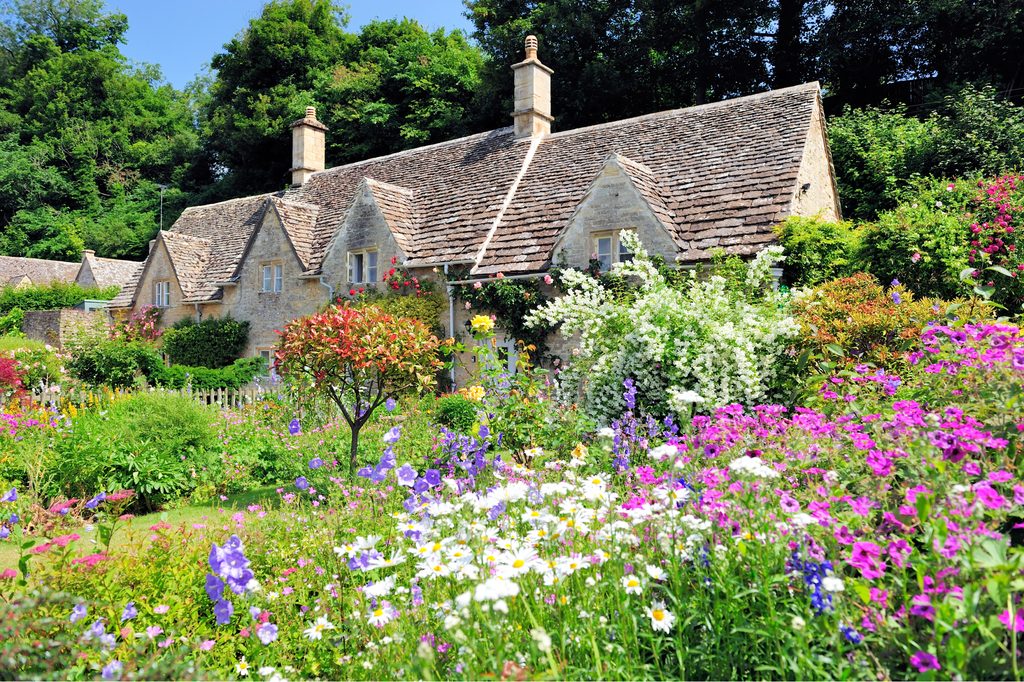
When deciding if an English garden is right for you, it’s important to consider the characteristics of the two styles, the space you have, and the aesthetic you prefer for your outdoor space. If neither of them sounds appealing, you can always take bits and pieces from both, one, or neither to create your own unique garden; however, if you’re interested in pursuing one of the two styles, you should start by considering what look you’d prefer.
Do you like the look of defined flower beds and organized spaces? Or do you want a more natural garden that appears a bit wild? People who prefer definition, who like the idea of having one type of flower per bed or one space for grasses will find themselves gravitating toward the English country garden. If you have space to create a haphazardly organized garden where you can mix and match and have adorable picket fences, then go for an English cottage garden.
The two both focus on natural looks while including different types of features. Small spaces can work for either style. If you have space to make your garden a bit chaotic and like the look, go for it! But if your lawn has more trees or immovable objects, you may want to consider an English country garden where you can utilize the trees and immovable objects as different areas.
How to create an English garden
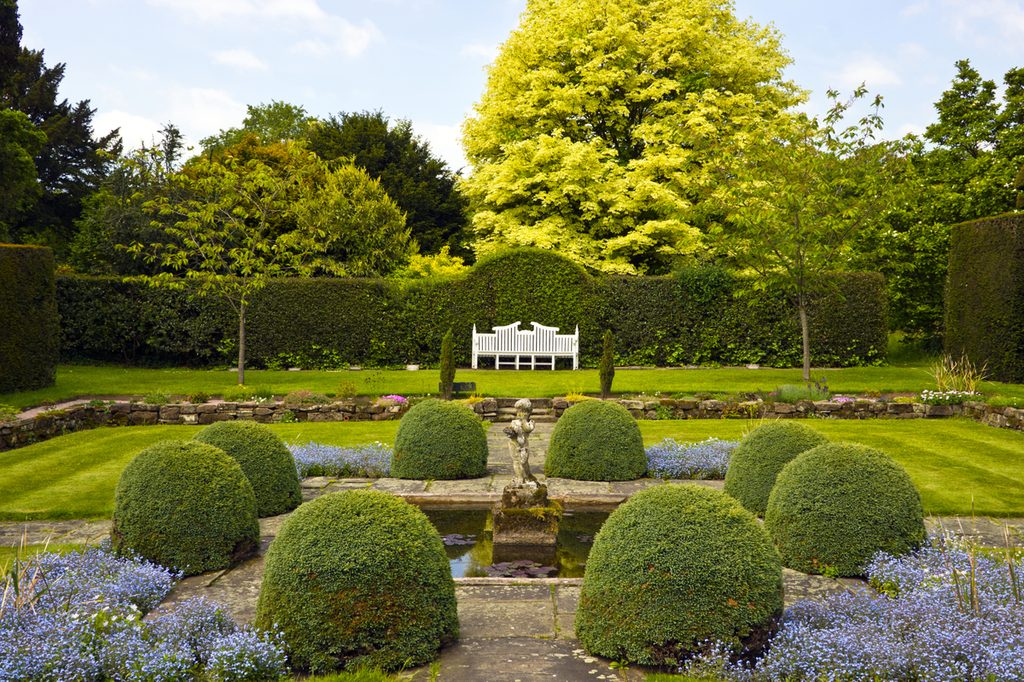
Creating an English garden is as easy as following the unique characteristics for the style you’re looking to recreate. If you want to do an English country garden, focus on what you can set up in the defined areas of your space. For example, a bench with one small flower bed in one corner connected by a path to a birdbath surrounded by another type of flower or grasses in the other corner. Obviously if you have a bigger lawn, you’ll have more space to work with for the sections. But as long as you’re intentional about what you put where, you’ll have no trouble recreating English garden design ideas in any space.
If you’re after the chaotically organized look of the English cottage garden, be sure to pick out flowers and grasses that go together and don’t give them a fully defined space. Set up a stone path to go through your flowers, but keep the edges of the flower bed somewhat unclear as you start to plant. Set up a feature piece (like a bird bath or feeder station) that you can surround with flowers and grasses and maybe a small picket fence if you’re unable to have one around your yard. You can let the flowers grow through the edges of the fence, giving it a more chaotic appearance.
Can you combine an English garden with another garden style?
Garden styles lay out the guidelines for creating specific looks, but that doesn’t mean there’s no room for creativity! After all, your garden should be something you enjoy, no matter what style you choose. If you want to mix and match style elements from different types of gardens, you should feel free to. If you want to combine styles without losing what makes each style unique, then you’ll need to put some careful thought into which styles you choose and how you are combining them.
First, identify what elements of each style are important. For example, in an English country garden, geometric shapes and pathways are two important design elements. Then, consider how these elements line up with other types of gardens. Japanese zen gardens also frequently make use of geometric designs, often paired with more simplistic decorations or plants. Combining these two garden styles would be fairly simple, and would probably look quite lovely.
One of the best things you can do when recreating your own English garden is to put your own spin on it. Ground the design with the core characteristics of the styles, but add something that’s unique to you and what you love. Maybe you love ivy on trellises more than beds of flowers. Focus on that and see what you can do with it. As long as you keep the defining characteristics of an English garden in mind, you’ll have luck planting one of your own.