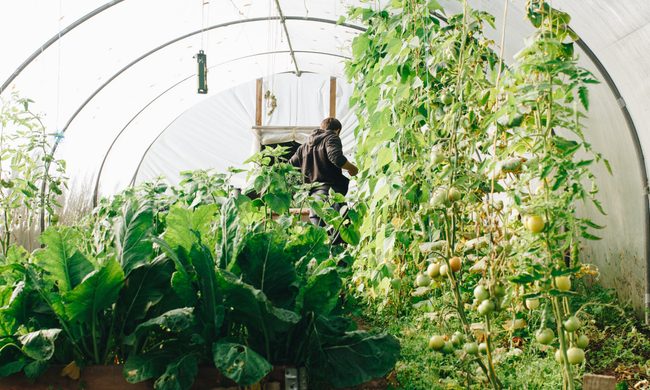
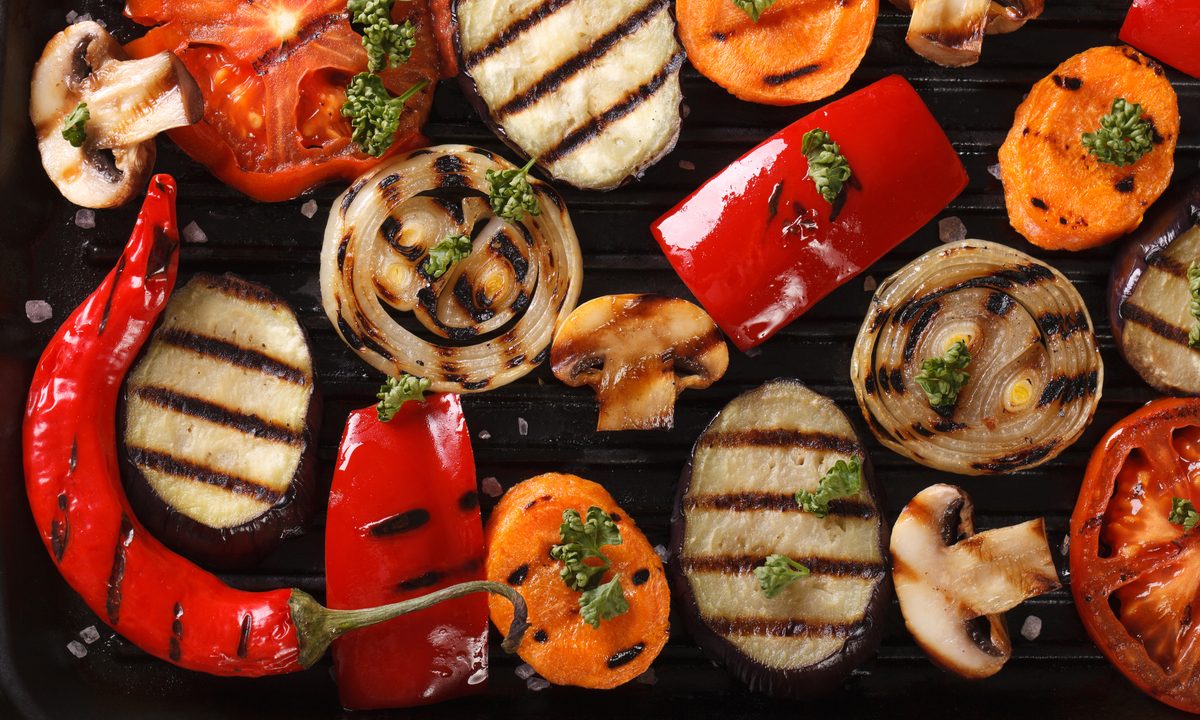
The leaves are dropping and the air is turning crisp. You might think that means it's time to put up the grill for the year, but think again! Fall is the perfect time for grilling. The cooler weather makes it easier to get outdoors and more enjoyable to stand around a hot grill. Best of all, grilling vegetables is a fantastic (and healthy!) way to enjoy the fresh produce you worked hard to grow all summer!
There are so many fall vegetables to choose from that it can be hard to decide which ones you want to grill. Never fear; in this article, we discuss seven fall vegetables to grill that are great as side dishes or even as entrees. We'll also give you step-by-step instructions on grilling each veggie so that it comes out perfect and absolutely mouth-watering.

Sweet Potatoes
There’s nothing better during a fall harvest than the sight of sweet potatoes. They’re healthy and delicious, and grilling them adds a new dimension to their already fabulous taste. The best part is that when you serve these at your next grilling event, there’s no need to worry about any other dishes because they’ll be plenty filling on their own!
Step 1: Use a fork to prick holes on all sides of the potato.
Step 2: Place the potatoes on the grill grates for about 10 minutes or until they are soft inside (but not mushy).
Step 3: Alternatively, bake the potatoes in a griddle pan with butter and maple syrup until they form grill marks on the outside.

Brussels Sprouts
Most people don’t think to grill Brussels sprouts, but it can be done. When you crisp them just right, they taste amazing! Brussels sprouts are perfect as an appetizer or as part of a small meal; either way, people won’t be able to resist their intense flavor.
Step 1: Preheat the grill grates to about 350 to 400 degrees Fahrenheit.
Step 2: If grilling at 400 degrees Fahrenheit, grill each side of the Brussels sprouts for five minutes or less, or to desired crispiness.
Pumpkin
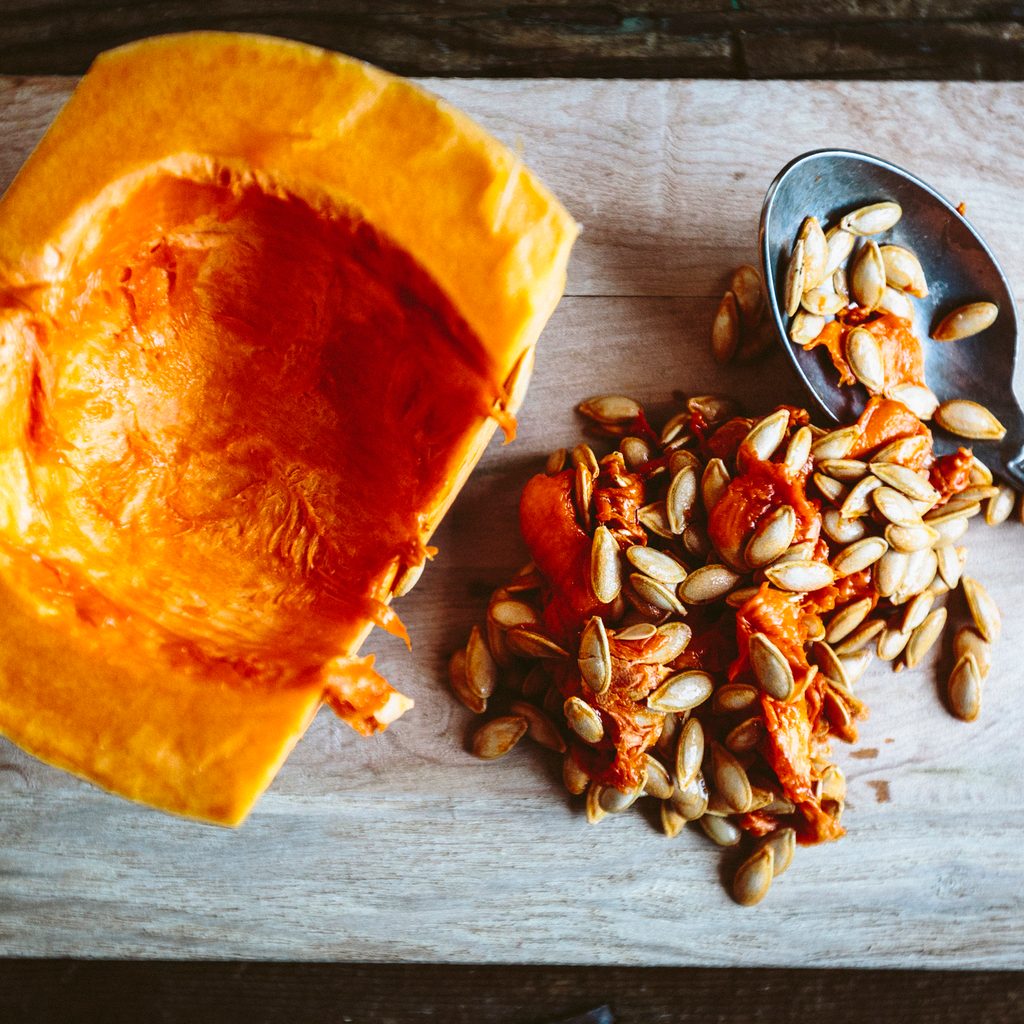
Nothing says fall like pumpkins do. While you might want to leave the larger pumpkins for Thanksgiving’s pumpkin pie, you can easily grill the smaller ones.
Step 1: Cut the pumpkin into wedges or rounds.
Step 2: Grill the pumpkin rounds or wedges for about five minutes on each side on indirect heat.
Step 3: If roasting a whole pumpkin, roast over indirect heat for approximately 60 minutes.

Butternut and Acorn Squash
Here we have that other quintessential fall gourd: squash! Here's how to grill this tasty and versatile veggie.
Step 1: Grill either whole or cut in half, depending on the size of the grill grates.
Step 2: Grill over indirect heat for approximately five minutes per side. Avoid direct flame.
Step 3: If desired, brush with maple syrup to prevent overcooking and to intensify the sweetness.
Step 4: Add brown sugar to the maple syrup if desired for extra sweetness.
Cabbage
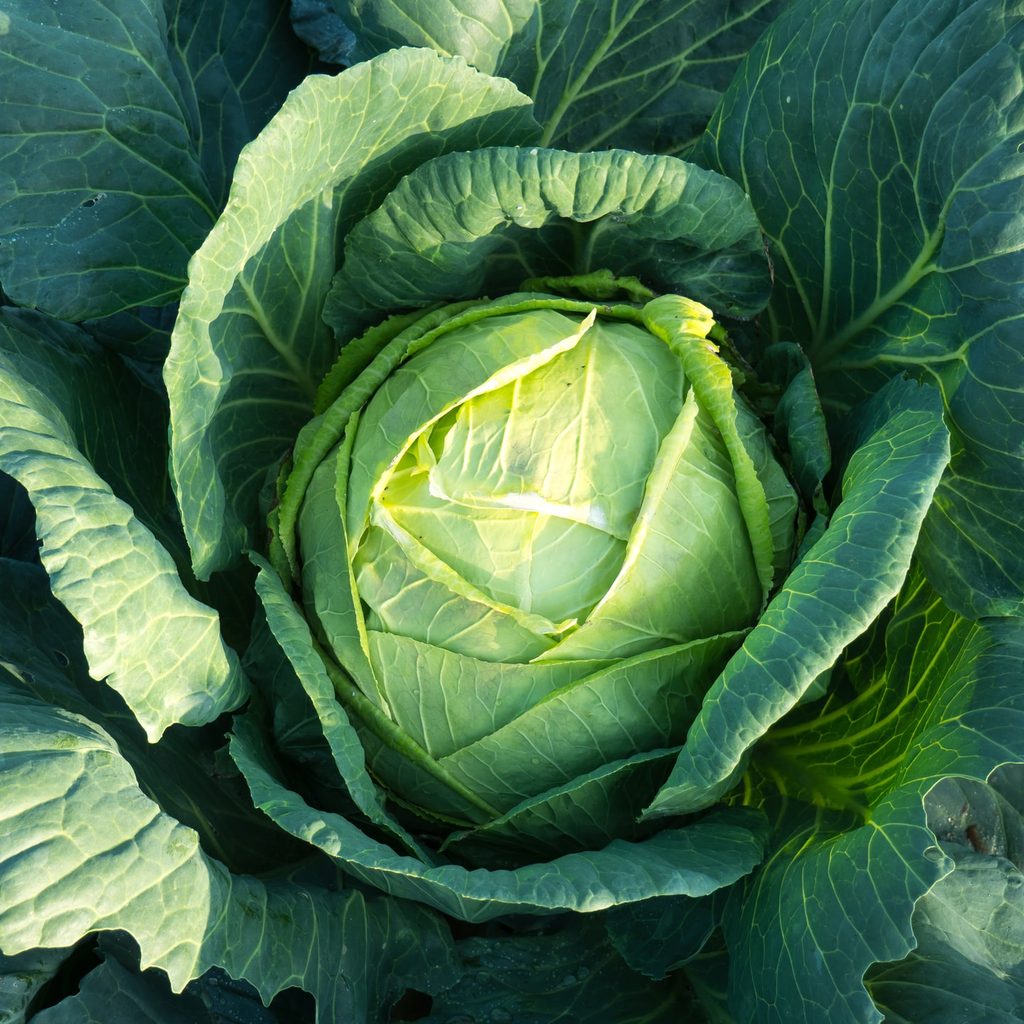
In case you didn’t know, cabbage isn’t only used for sauerkraut or coleslaw. When it comes to grilling, you can take cabbage and turn it into something flavorful and delicious, much like grilling other vegetables.
Step 1: Cut or tear the cabbage into wedges.
Step 2: Don’t cut off the leaves at first. Wrap them around the outside of the cabbage for extra protection from flare-ups caused by direct heat.
Step 3: Add olive oil, salt, pepper, and garlic powder to the wedges.
Step 4: Grill the wedges until tender.
Step 5: If desired, the entire head of cabbage can be grilled in the same way for longer intervals on each side.

Fennel
Fennel is one of those fall vegetables that has a strong anise flavor. However, when you grill it, you’ll find that its taste transforms into something sweeter with a hint of smoke.
Step 1: Brush the fennel with olive oil or fat before grilling to add flavor and juiciness.
Step 2: Keep the whole vegetable intact so that all the layers get cooked through.
Step 3: Grill for 15 to 20 minutes.
Step 4: If desired, use the grilled fennel as the base for an antipasto platter by adding olives, marinated broccoli rabe, and rounds of fresh mozzarella cheese.

Cauliflower
Many people don’t like cauliflower that much, especially kids. It’s too much like broccoli, they say. However, parents know that cauliflower is an incredibly versatile fall vegetable. When grilled, it can be an excellent grated addition to many dishes.
Step 1: Cut the cauliflower into florets and remove the tough outer layer of leaves.
Step 2: Drizzle the florets with olive oil and sprinkle with salt.
Step 3: Grill for approximately 12 minutes or until browned underneath.
Step 4: For an extra kick of flavor, add grated nutmeg to the grilled florets.
Grilling vegetables in the fall can be a lot of fun. Grilling vegetables is good for you because they retain their vitamins and minerals after the cooking process, and they go along with so many other grilled dishes that you have almost unlimited choices.
When thinking about which vegetables to grill this fall, consider the ones we’ve mentioned above and enjoy!