
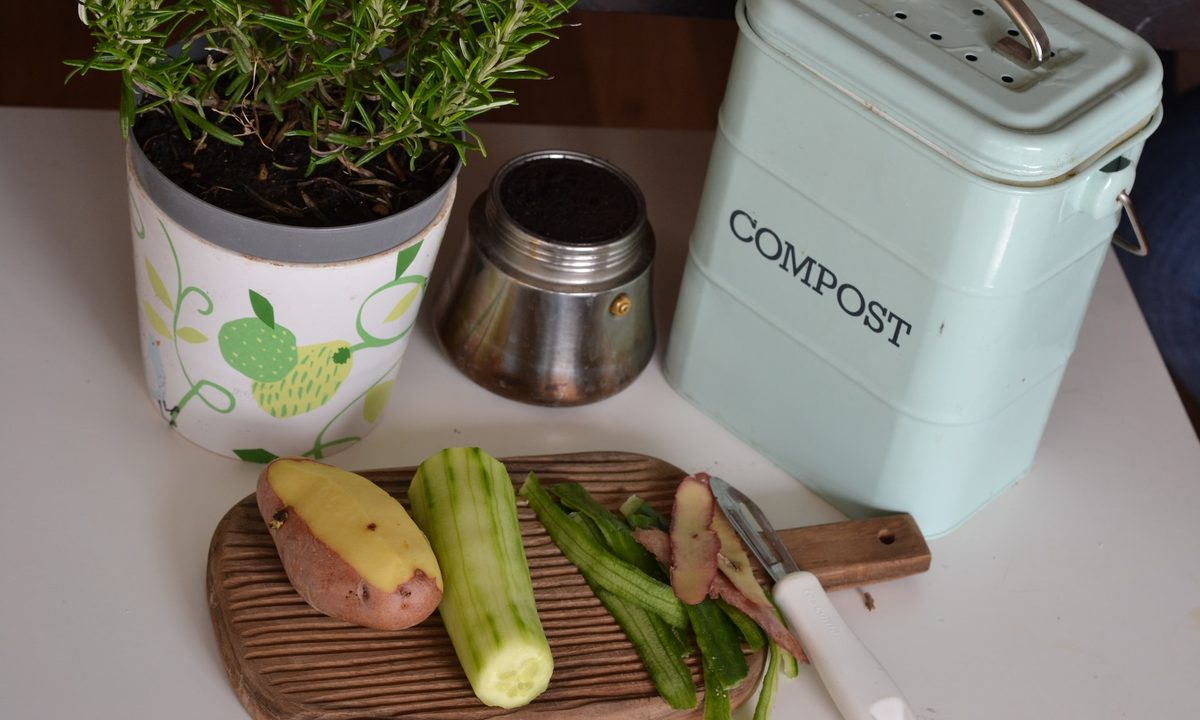
People are composting today like never before, and some gardeners have noticed that compost gives off quite a bit of heat. This raises the question: can you keep an area warm with compost? While you may not want to rely on compost to heat your home, it can come in handy if you're unsure how to heat a greenhouse. Not all types of compost will heat a greenhouse, though. If you want to know how to heat a greenhouse to keep your plants nice and warm through winter, this guide to compost-heated greenhouses is for you!
Principles of heating with compost
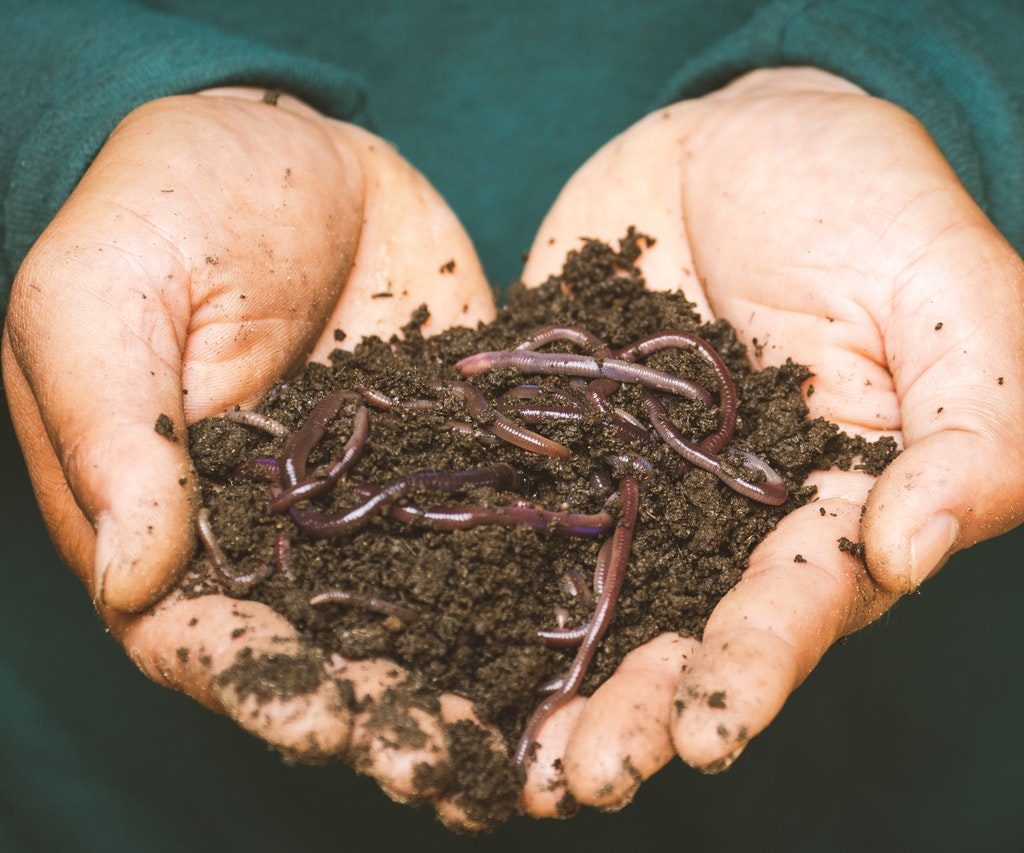
During the composting process, microorganisms break down organic matter. As the organic matter breaks down, it creates heat, water, and carbon dioxide. Amazingly, microbial activity makes a lot of heat. In fact, it can produce temperatures of up to 130° to 170° F, which is enough to kill harmful bacteria and weeds.
Additionally, this same heat can be used to create optimal temperatures inside a greenhouse during the winter. The organic matter in the compost, the length of time it takes to decompose, and other conditions help determine the amount of energy and heat generated.
Composting basics
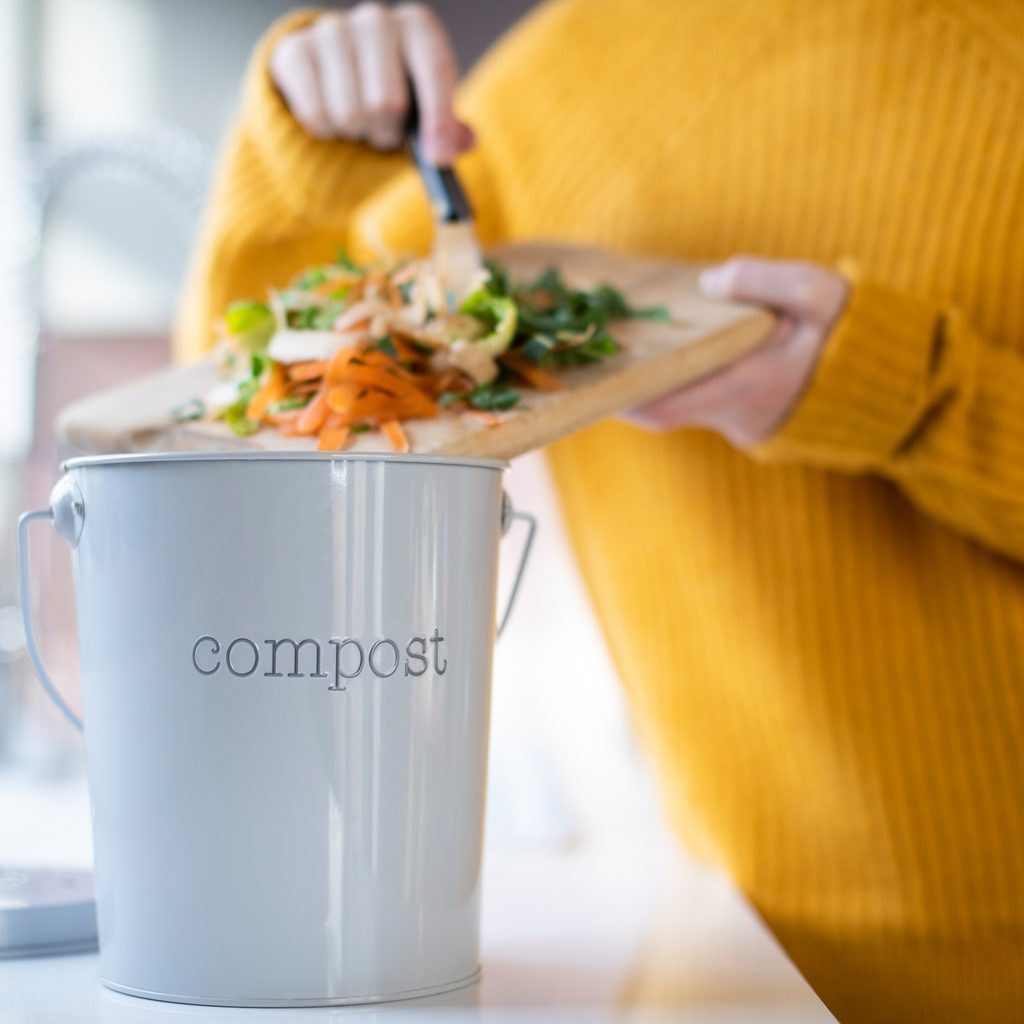
Not all forms of composting will heat your greenhouse. As a quick reminder, remember that there are three main ways of composting. These are cold, worm (vermiculture), and hot composting.
Cold composting occurs when you pile organic waste into one specific spot and simply allow natural processes to go to work. Gardeners consider this the easiest method since you can just put more material onto the compost heap as it becomes available. Worm composting, is a process that uses red worms to eat up particular types of paper waste and food. Using these worms helps to create a nutrient-dense fertilizer. Then there is hot composting, which is the only type we’re concerned with in this article.
If you're interested in how to heat a greenhouse, this is the type of composting you need to know about. It’s the only kind that will provide the amount of energy necessary to heat your greenhouse sufficiently.
Hot composting: A how-to guide
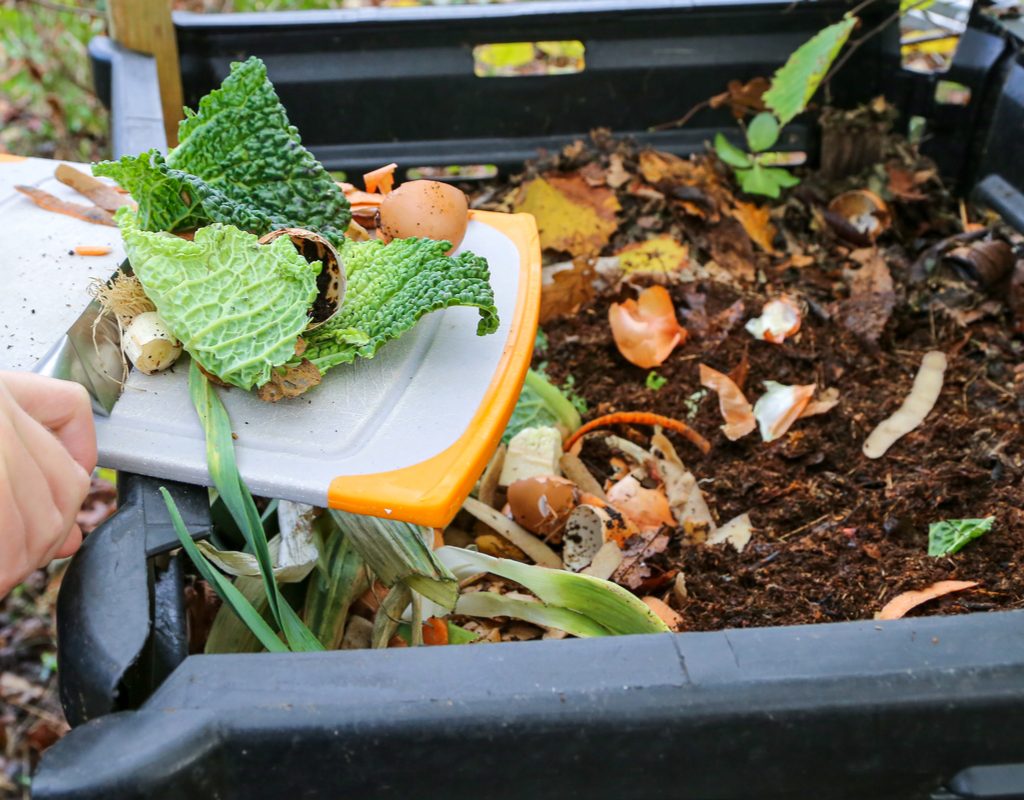
Before you begin, you need to understand the difference between brown and green materials. Brown materials provide carbon, and green materials provide nitrogen. The ratio for the compost needs to be one part nitrogen to two parts carbon. An easy way to create this is just to use one bucket when gathering your green materials and two for your brown materials before dumping them all together into a heap or bin.
A pro tip is that if you have farm animals like chickens, horses, goats, or ducks, you can use their manure as part of your compost’s “green materials.” This reduces their overall waste and helps you in your composting efforts. Their waste is considered safe for composting.
Now, the following might sound complicated, but it’s really not. Here's what you need to do:
Step 1: Mix waste materials such as paper bags, toilet paper, old newspapers, wood chips, and dried leaves, with grass cuttings, food waste, or fresh leaves in a 1:2 ratio of green to brown. Notice that out of the materials listed above, the first group is considered “brown material” while the second is considered “green material.”
Step 2: Wet the compost. You might be surprised to discover that the temperature at the center of the compost will rise up to 155° F within just one or two days.
Step 3: Turn or stir the compost and wet it again at regular intervals.
Heating up your greenhouse
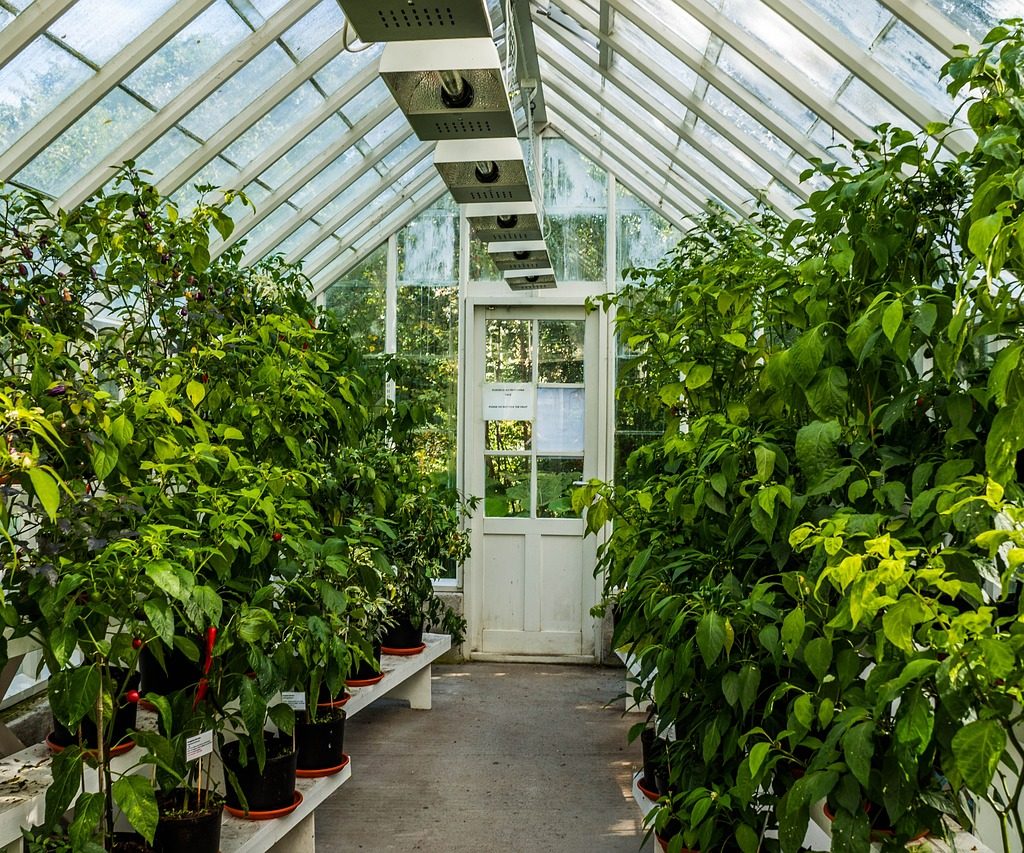
When you get the hang of it, heating up your greenhouse through compost heating can be relatively easy. You can take compost bins that you already possess and use them to warm up particular areas. Alternatively, you can also try using trenches that allow you to stagger the planting rows while maintaining the compost heat in between.
Common problems with compost-heated greenhouses
One of the most common problems with compost-heated greenhouses, and with hot composting in general, is a compost pile that won't heat up. This can be caused by a few different factors. Make sure your compost is moist but not soaking wet. Compost that is too wet or too dry won't get as hot or may even overheat. Additionally, smaller piles will have a harder time heating up than larger ones. If your compost pile has the correct moisture level but still isn't getting hot, it may need more material overall.
You may also have difficulty heating your greenhouse evenly, especially if you have a larger greenhouse and only one compost bin. Depending on the size of your greenhouse, the heat may not radiate out far enough to keep all your plants warm. The easiest solution is to start an additional compost bin or pile. However, if you don't have enough compostable material for another pile, then you may need to add an additional heat source.

How do you use hot compost?
Hot compost is great for heating your greenhouse, but can you still use it for your plants like regular compost? Yes, you can! Hot compost is still excellent for nourishing your plants, and it is used in much the same way as other forms of compost. The main difference is time. Hot composting works much faster than other types of composting, meaning it is ready to use sooner. A smaller difference is in the temperature itself — hot compost fresh from the bin may be too hot for some plants, so let it cool slightly before adding it to the soil.
Even though heating greenhouses with compost isn’t the most widespread of practices at the moment, if you’re willing to try it, you’ll discover that you’ve found a low-tech, low-cost (or no cost) method of reducing waste and overall energy consumption. Moreover, you’ll be helping to lengthen your plants’ growing seasons. It’s a win-win all around!