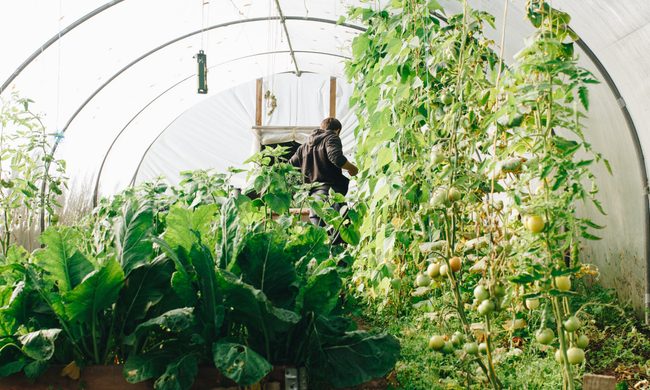
Greenhouses are a great way to grow plants year-round, especially herbs! If you have a greenhouse, you could turn it into an herb garden instead of having a small one on your kitchen counters. Before you get going, there are a few key things to know about growing herbs in a greenhouse.
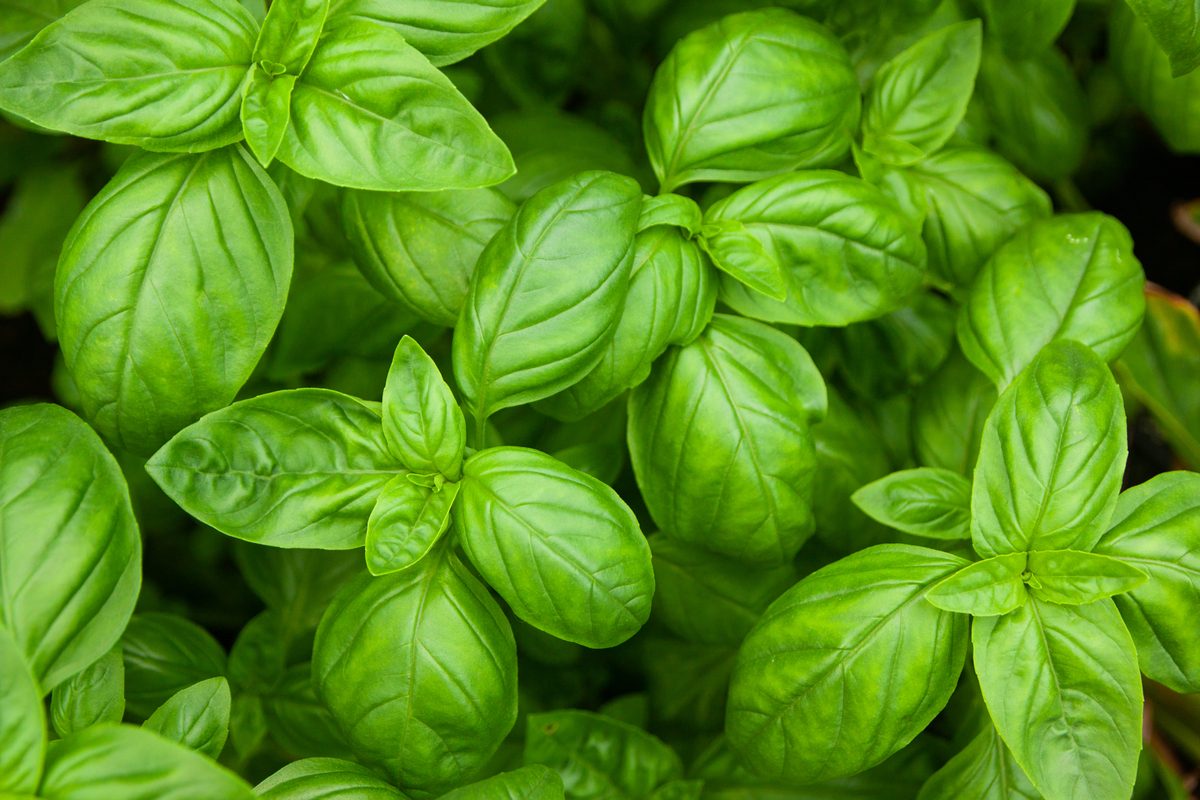
What are the best herbs to grow?
Small herb greenhouses will do best when you know what you’re working with. Virtually any herb can be grown in a greenhouse, so it depends on what you’re interested in growing and what you’re familiar with. If you’re a beginner at greenhouse growing, it’s best to work with plants that you’re worked with before (whether having grown them in your outdoor garden or in your kitchen). When choosing your herbs, be sure to keep their growth and mature sizes in mind. You don’t want to plant too many herbs and have them take over or cause stunted growth.
Because greenhouse growing is different from growing in containers or garden beds, you’ll do well if you know the watering, light, and temperature needs of your plants. Greenhouses are contained indoor spaces, but because the plants still live outside you’ll need to keep the outdoor climate in mind. Your greenhouse temperature and vents will need to be adjusted as needed depending on the outdoor environment, which is another reason why it’s easier to start with plants you’re already familiar with.
Once you get more familiar, you can expand to different herbs and even rotate the kinds that you grow throughout the year. Some herbs may fit better with some seasonal recipes than others, so you might find yourself wanting to switch up what you’re growing so you’ll always have fresh ingredients on hand.
How to set up your greenhouse
When setting up your small herb greenhouse, you want to make sure your plants can be easily accessed for both care and harvesting. You don’t want to trample plants when trying to harvest one in the middle, so try to set up your space accordingly. A good rule of thumb is to maintain a two-foot-wide path that you can easily walk through, but one foot will do depending on how you arrange your space and what you set up.
If all you want is a space to grow herbs, have at it! Set things up where they fit and where you want them; however, you should try to keep the same/similar herbs together so you don’t have to chase down five different batches of basil to water. If you’d like, you could spruce up your herb greenhouse by adding a unifying element. You could try one or two kinds of flowers to grow alongside your herbs to give the space a pop of color.
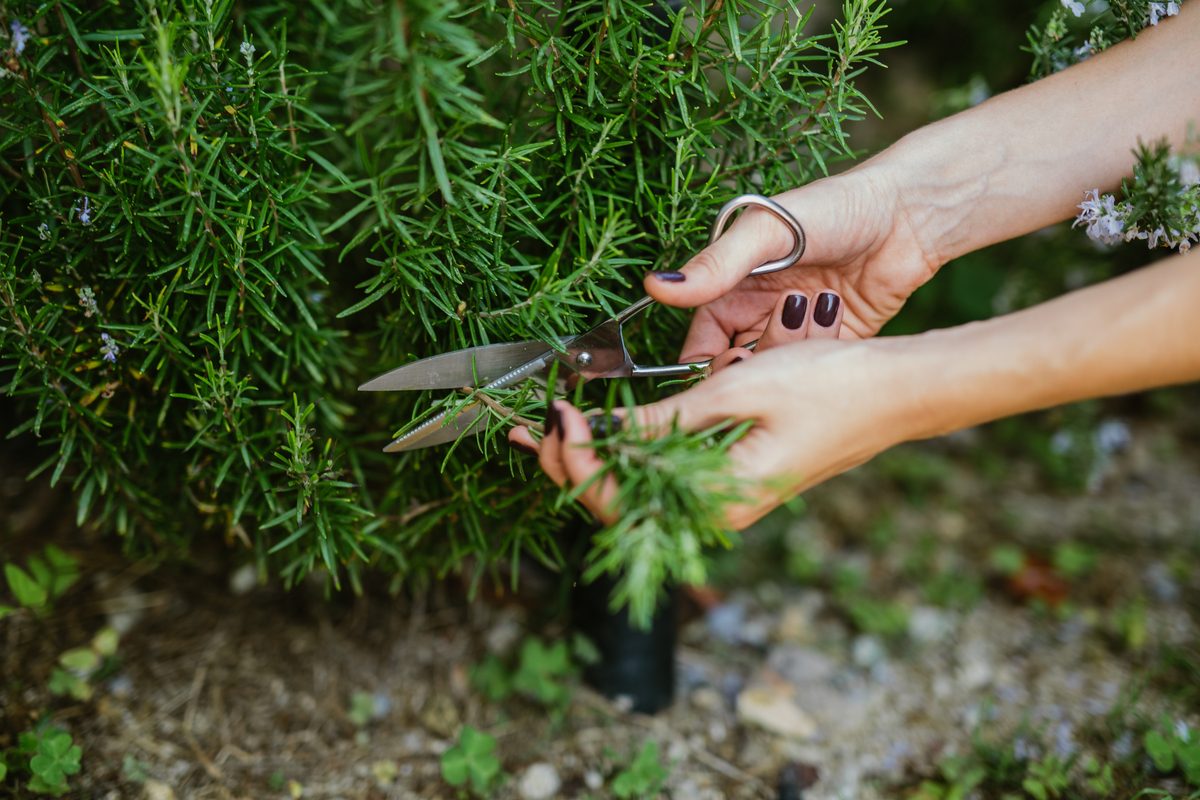
In outdoor gardens, many gardeners will opt for a larger herb plant to be the focal point of the space. You could do something like that in your greenhouse, as well, perhaps by setting up a large potted rosemary in the back in full view of the door. Keep in mind that whatever you choose for a focal point should still be accessible for watering and/or harvesting, no matter how you lay it out.
How often should you water?
Each plant in your greenhouse will have specific needs, which is why it’s best to keep similar herbs grouped together. Not only will you not have to search all over your greenhouse for that missing thyme plant, you’ll have an easier time remembering what plants require what amount of water. In small herb greenhouses, you can easily maintain this yourself. In larger ones, it may be best to set up a greenhouse watering system to help you. Just be sure to pay attention to each plant and what it needs, and you’ll be OK!
Growing herbs in a greenhouse is a good way to have a fresh supply year-round or even just during colder months when it’s hard to keep herbs alive in your living space. As long as you maintain your space, design your layout to be easily accessible, and care for your herbs, you should have a bountiful harvest.