
The decision to choose between a deck or a patio for your outdoor space can be difficult. Patios are typically smaller and easier to maintain, while decks offer more luxurious features like built-in seating and fireplaces.
The truth, however, is that both offer you excellent choices when it comes to outdoor living. If you’re the sort of individual who spends plenty of time outside and enjoys evenings relaxing and entertaining family and friends under the stars, both options are still outstanding. But perhaps you’d like to dive a little deeper into what separates decks and patios from each other. Not everyone even realizes there are substantial differences that make them distinct. After all, both are commonly used in similar way.
However, you’ll find that patios are almost always flush with the ground while decks are raised. There are also substantial differences in how they are made and the cost to build them. Read on as we explore the differences between patios and decks to help you decide which is right for you!
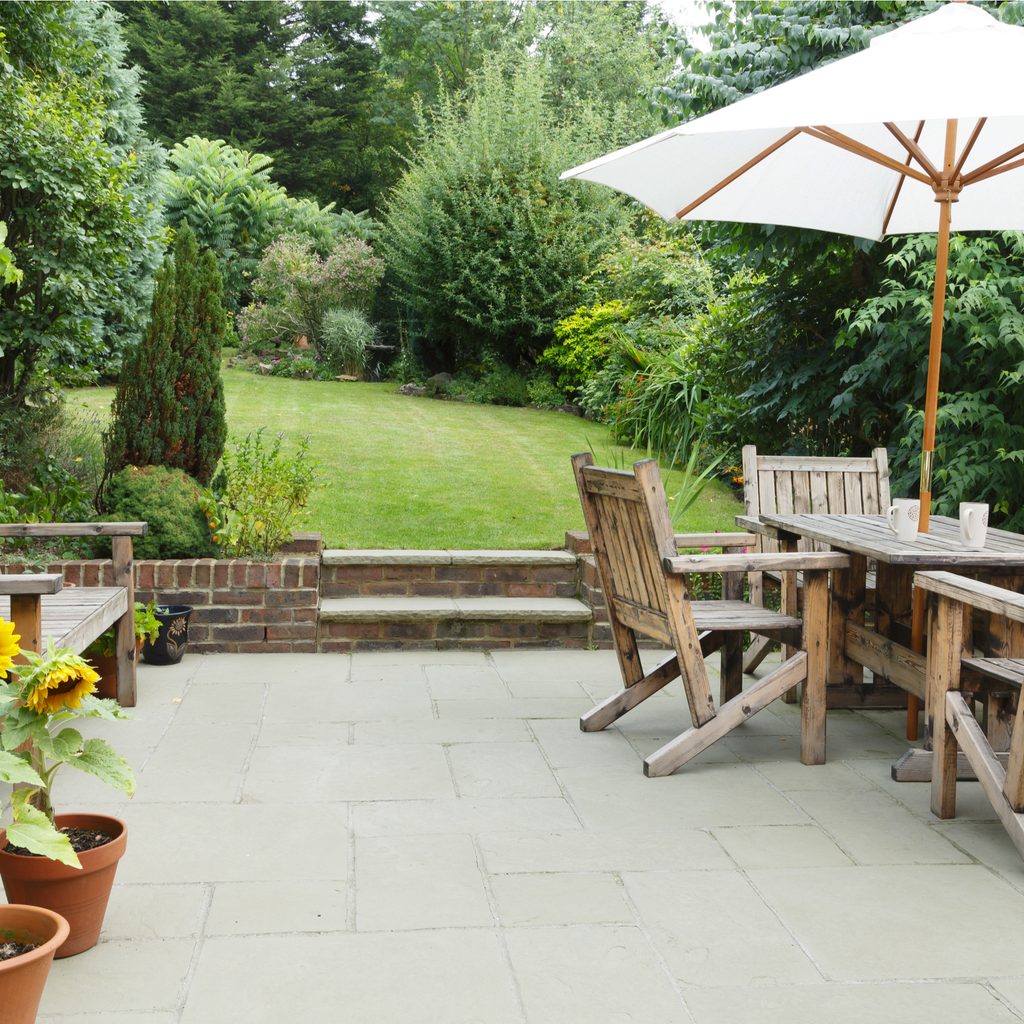
What differentiates decks and patios?
Patios are usually made of concrete, while decks may be raised off the ground or constructed from wood. Patios have a more traditional feel with the foundation and flooring, whereas you’ll see steps going up on most decks.
It should also be noted that patios typically don’t need railings for safety. As noted above, they’re close to being flush with the ground, but depending on where your deck is located (in particular if it has one side elevated), railings may be necessary so you can use it safely. A patio will almost always cost less than a deck, since its construction materials are less expensive and typically easier to come by.
Still, a deck is often worth the investment for its aesthetic appeal and its potential for customization. However, remember that there are also additional considerations like the need for winterization, water drainage, and fire prevention measures that all add up in terms of cost and maintenance.
Pros and cons of a patio
The main benefit is that patios offer an outdoor space without the cost and hassle of constructing a deck. For example, standard building materials include stone or stamped concrete, which are often much less expensive than bricks or wood that make up many decks.
Another benefit of patios is that there’s at much less risk of a fire because they typically have no flammable material like wood flooring or railing. You’ll also find they’re easier to maintain, since they don’t need the sort of care and attention decks do. For example, decks need winterization or water drainage measures, which can be costly. Plus, you don’t have to trouble yourself with building permits to get one made in most cases.
On the flip side, one of the only real downsides of a patio include the need for extra preparations and planning if you live in a hilly area. (Patios are often built on level ground.)
Pros and cons of a deck
Decks typically offer more space than patios do. In the case of large gatherings, decks give people room to move around and enjoy activities together like eating food or playing games.
Other benefits of owning a deck include the fact that you can generally find a design or style that works well with the architecture of your home. Because they’re raised off the ground, they also offer a better view than patios do. They’re usually built to last, and they have an element of class and luxury that most patios lack.
On the other hand, decks typically need much bigger pieces of land for them to be functional. Plus, building permits may be required depending on where you live, which means you’ll be spending extra time and money. You may even have to put up with inspections to ensure everything is built according to code.
Patio and deck maintenance
Decks built with wood flooring can be expensive to replace if it starts rotting away. The same is true of any railing your deck has. To keep your deck properly maintained and pristine, you’ll have to restain or repaint your deck regularly. Giving it a good power washing every few years is necessary to help maintain the wood’s integrity.
If that sounds like too much effort, you can opt to use a wood composite material instead of building materials made of natural wood.
Conversely, patios are super easy to maintain. They can handle much more wear and tear than a deck can. Moreover, the maintenance costs of a patio are much less than for decks too. Patios do get cracks and stains from time to time, but they’re incredibly durable and you can keep yours looking great with simple maintenance for many years.
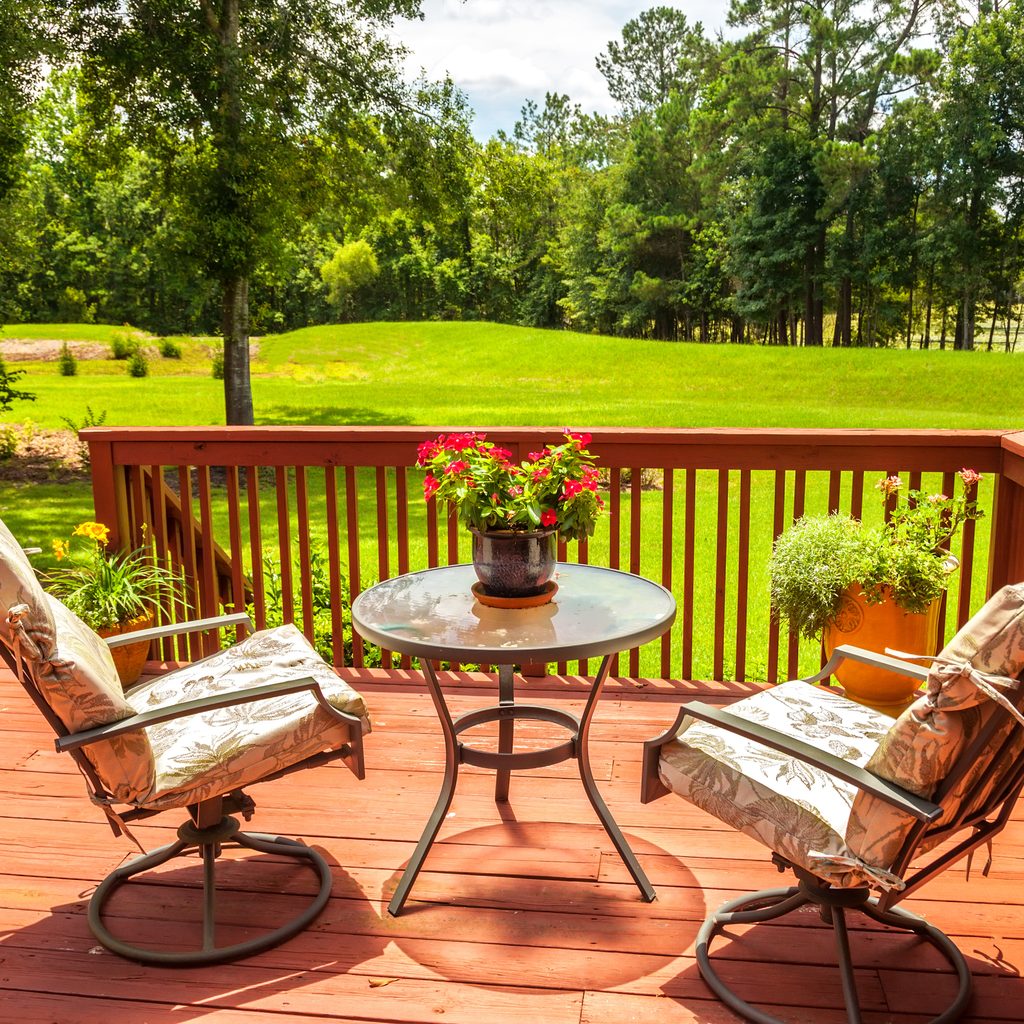
Overall—if durability is your thing, opt for a patio. If increasing curb appeal and the value of your home is a primary concern, go with building a deck. Either way, both are excellent choices if you plan to spend a lot of time outdoors entertaining guests and family.