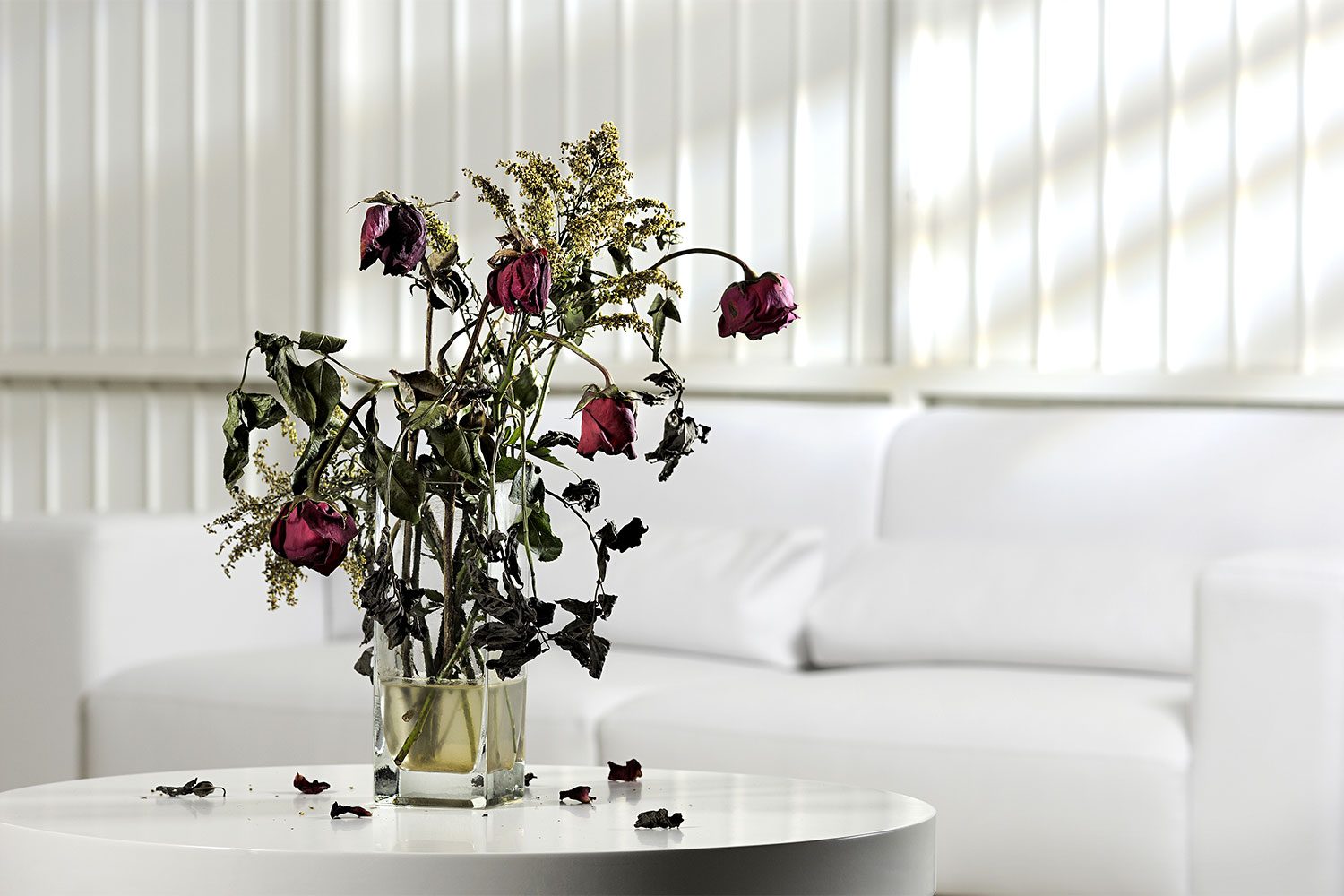
Flowers are a beautiful gift from nature. They can be admired while growing and after being cut, and even long after they have died. If you’re wondering what to do with dead flowers, you’ve come to the right place! Have a look through our list of the five best ways to get rid of dying flowers.
Dry them
Separate individual flowers from the bouquet and place them in a cool, dry place to make sure the water evaporates from them. It will take up to three or four weeks before they are completely dry. They can then be used in crafts, like three-dimensional collages or resin castings. Other crafts that utilize dried flowers include nature-inspired garlands and flower crowns. Dried flowers can also be combined with other dried plants to make potpourri. Another potential use for dried flowers is their display in a vase for a rustic vibe.
Compost them
Perhaps the most eco-friendly use for dying flowers is to compost them. When you’re finished using dried flowers in crafts or decor, they can be composted. If you’re new to composting, you’ll first need a dedicated container, which can be a simple bin or a fancy rotating composter.
To get started with your actual composting material, you should have a few things on hand: Manure or soil, straw or twigs, and other organic material such as food waste or plant clippings (like flowers). Alternate layers of dry material (straw or twigs) with wet material, which includes both soil/manure and other organic waste. Gradually, the plant matter will break down and enrich the soil, creating a homemade, artificial, chemical-free fertilizer.
Put them in a shadow box
Rather than drying out flowers and then crafting with them, you can instead place a whole dying bouquet (or just part of it) in a shadow box and display. Other dried or pressed flowers can also be put in a shadow box. They can represent trees and other objects in nature and be arranged to appear as various outdoor scenes. You might put flowers in a shadow box with a quote on the glass front.
Press them
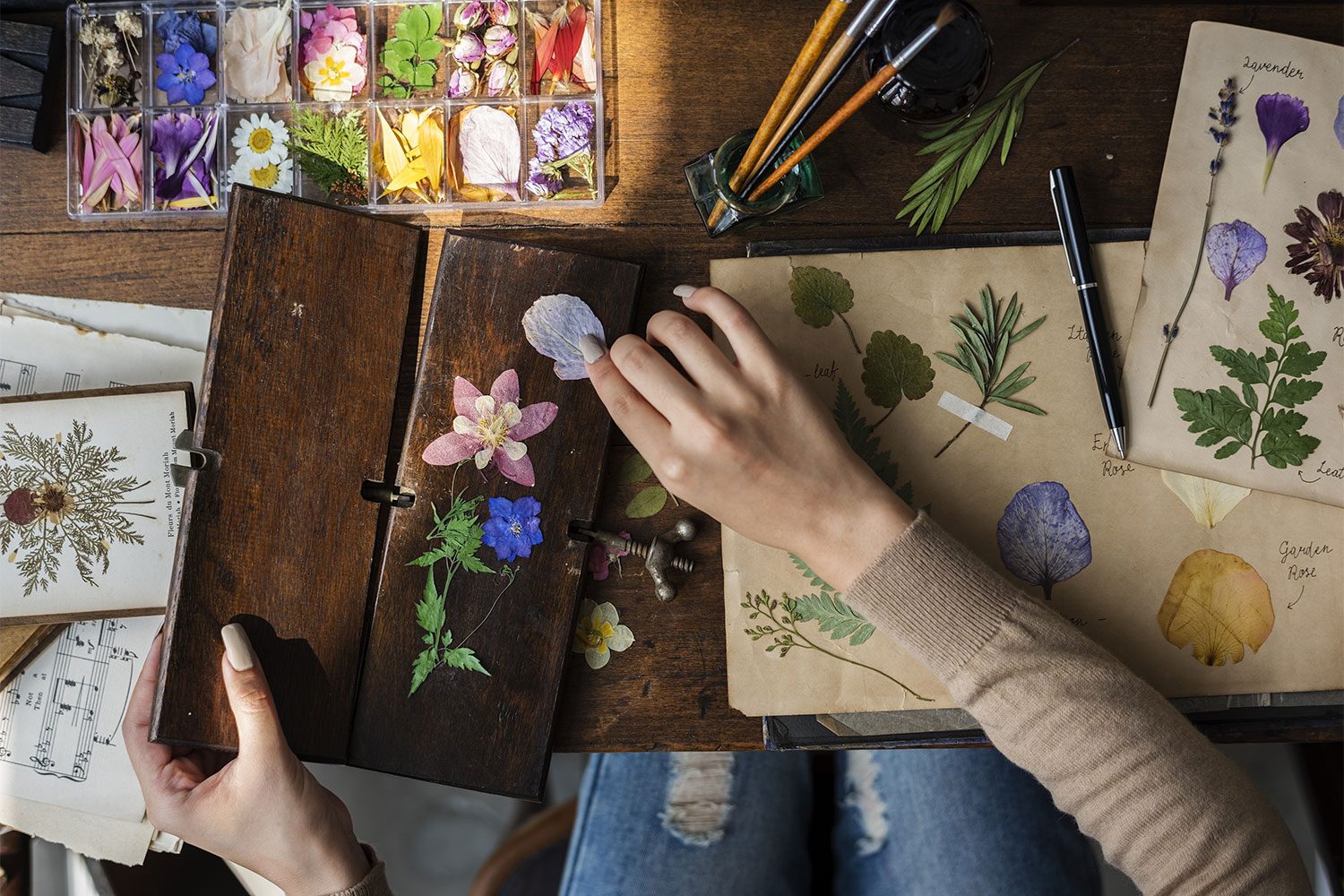
As an alternative to drying in the open air, consider pressing flower petals. Peel petals off of flowers and place inside the pages of a book, then close the book and wait for pressure to work its magic! Another way to press flowers is with an iron or in the oven. Pressed flowers are also great to use in crafts, and because they are two-dimensional, they are arguably more versatile than their dried counterparts. Crafts that pressed flowers could be used in include scrapbooking and jewelry making. Additionally, pressed flowers can be embedded in candles, used as bookmarks, or framed. Your imagination is the limit when it comes to applications of pressed flowers!
Hang them on the wall
Instead of drying flowers flat in the open, hang an entire bouquet of flowers upside down on a wall for a raw, untouched decor element. Multiple bouquets can be hung along the same string for a bouquet garland! Hanging bouquets is a great option for storing flowers from an event, like a wedding, as a keepsake that is easily visible. They can stand in for expensive paintings, adding a textural pop to an otherwise flat wall.
What can I do with an old bouquet of flowers?
If you have an older bouquet of flowers that are not yet dying, first consider trying to rejuvenate them. There are special additives that can be mixed in with the water that flowers sit in to help them stay fresh longer. You can even make some of these additives at home — a nice substitute for the frugal flower admirer. If that doesn’t work, you’ll likely have to say goodbye to your precious fresh bouquet and instead resort to one of our ideas to repurpose dead flowers.
Will dead flowers attract bugs?
Dead flowers have less organic material than live plant matter, so they attract fewer pests. However, that does not mean all bugs are detracted from visiting dead flowers. Periodically check your dead flower displays for any signs of intruders, like moths. You can spray insecticide on dried flowers to help prevent insect infestations.
Just because a bouquet of flowers is dying doesn’t mean it has to be thrown away. In fact, we suggest you avoid throwing them away in lieu of reusing them as decorative or craft items. Dried and pressed flowers are lovely presents for nature lovers and are enjoyable to create with.