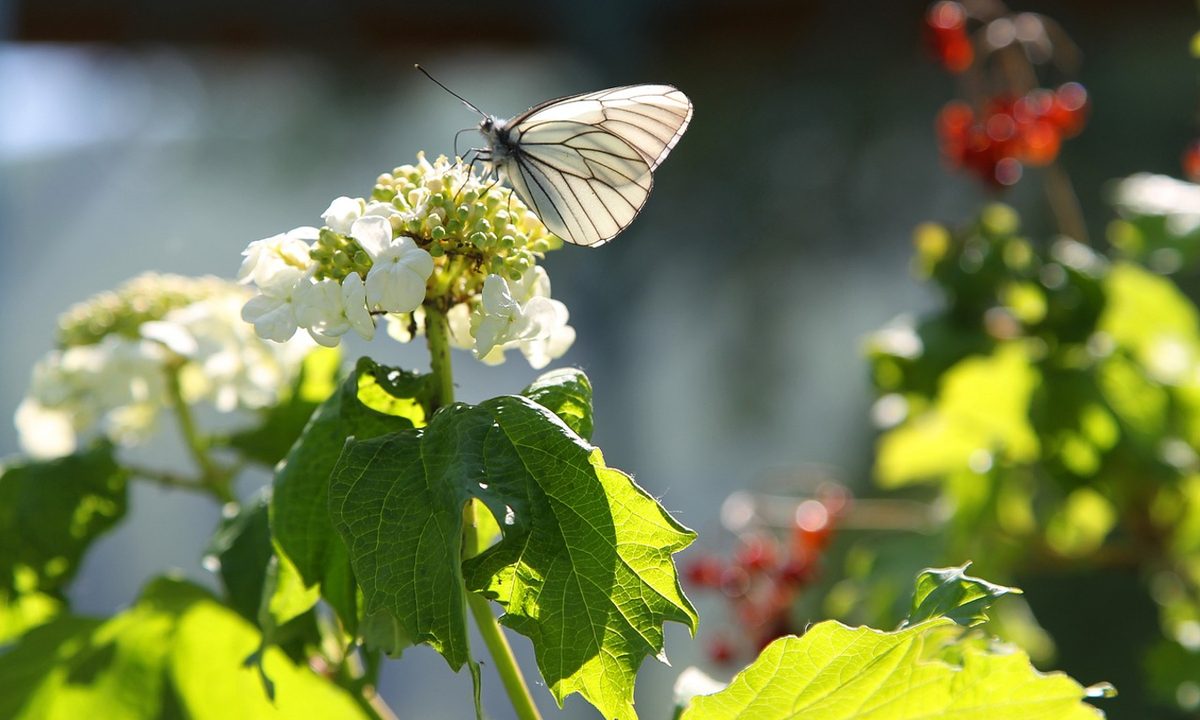
Viburnum is a gorgeous shrub, and it’s become quite popular to grow as a hedge, pollinator plant, and ornamental. However, there are quite a few different types to choose from. The genus contains over 150 different species, and those species sometimes have multiple different varieties or cultivars available. If you’re feeling overwhelmed and aren’t sure where to start, then this is the guide for you! Here are our favorite viburnum varieties for you to start with.
Korean spice

Korean spice viburnum, or Viburnum carlesii, is one of the more popular viburnum species despite being non-native. It is a lovely shrub, perfect for hedges or as a stand-alone shrub. Korean spice typically grows to around 4 or 5 feet tall, although it can grow taller under the right circumstances.
This viburnum species is best known for its flowers, which grow in globe-shaped clusters across the shrub. These flowers are typically white, but may also be pink or red. They have a strong and delightful scent to them, which many gardeners compare to spice cookies or warming spices like clove. Some popular viburnum varieties in this species are “Snowball,” “Spice Girl,” and “Spice Baby.”
Arrowwood

Arrowwood viburnum (Viburnum dentatum), also known as southern arrowwood, is a lovely native viburnum species. It can be found all along the East Coast of the U.S., and it is particularly popular with pollinators. Arrowwood viburnum shrub flowers bloom in white, although some appear pale yellow.
Unlike the globe shape of Korean spice viburnum flowers, arrowwood viburnum flowers grow in flat-topped clusters, creating a series of floral platforms across the shrub. These flowers aren’t the only thing that appeals to your local wildlife, as this shrub also produces blue, purple, or black berries during autumn. These berries are small, but they are still quite pretty, and birds love them. Some varieties of arrowwood viburnum to grow include “Blue Muffin” and “Autumn Jazz.”
American cranberrybush
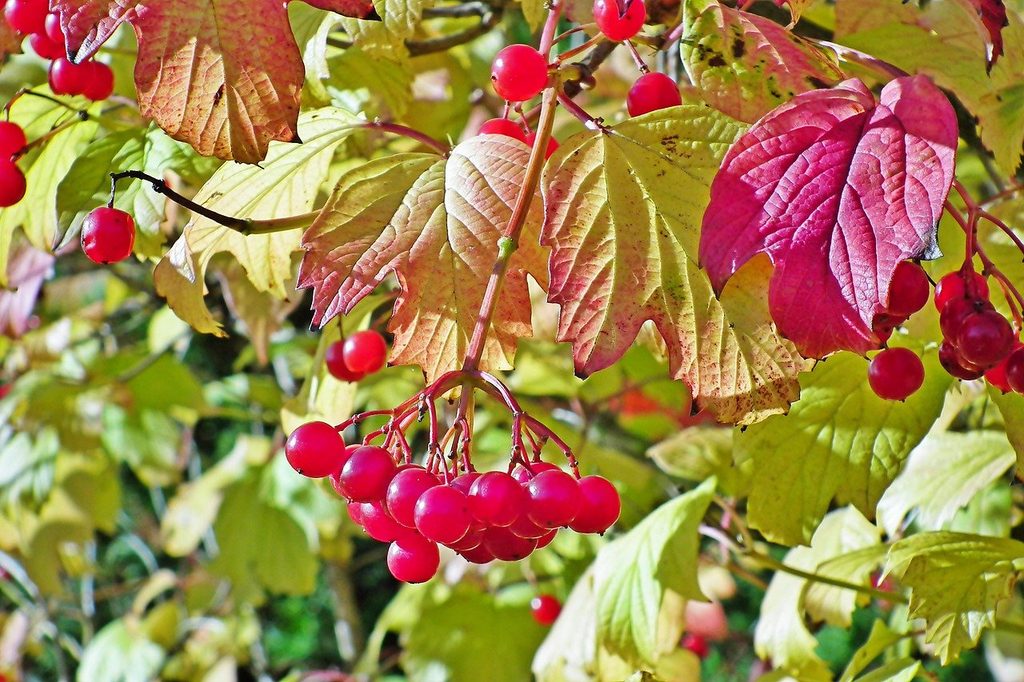
Viburnum trilobum, or the American cranberrybush viburnum, is yet another native viburnum species. Its common name comes from both its increased tolerance of wet soil and the bright red berries it produces beginning in late summer. These berries are extremely popular with birds and look stunning while on the bush. They stand out particularly well against the white, flat-topped flower clusters that grow in spring and summer.
While many viburnum species are deciduous and have lovely fall foliage, American cranberrybush foliage is often particularly bright. You may also find this viburnum species under the name highbush cranberry. The berries are edible, although not everyone finds them as pleasant as true cranberries. Early in the season, they can be bitter, but then become tart and are most often used for jam or jelly.
Northern wild raisin

Viburnum cassinoides has a number of common names, including blue haw, swamp haw, and Northern wild raisin. It is sometimes confused with blackhaw viburnum (Viburnum prunifolium) or rusty black haw (Viburnum rufidulum), which is sometimes also called bluehaw, and while all three plants are native and similar, there are a few differences. The factor that makes Northern wild raisin viburnum stand out is the berry colors. Its berries change color slowly as they ripen, creating a multicolored display of blue and pink across the shrub.
There aren’t many varieties of this viburnum available, partly because it is itself a variety of another viburnum species. That’s right, Viburnum cassinoides is technically considered a variety of Viburnum nudum, also called witherod. Similarly to the American cranberrybush, this type of viburnum also has an increased tolerance for wet soil. This is another edible viburnum species, although the berries don’t have much flesh to enjoy.
Nannyberry

Nannyberry viburnum (Viburnum lentago) has an interesting story behind its common names of nannyberry and sheep berry. When the twigs are crushed or damaged, they produce a smell that some gardeners say is similar to a goat or sheep. Aside from this unique but unpleasant smell, nannyberry viburnum is a lovely native shrub to add to your yard.
Depending on how you prune it, this viburnum can grow as either a tall shrub or a short tree. While the pruning process does release the strange smell this plant carries, it’s worth it for how lovely it looks. The berries are dark blue or black, and in addition to being popular with birds, they’re also edible for people and one of the tastier viburnum species. You can eat them raw or dried and make them into jams.
These five viburnum species and their varieties are great starting places, and any of them will be an excellent addition to your yard or garden. From the fragrant Korean spice to the unique nannyberry, viburnum varieties encompass many aesthetics and preferences. Start with one of these five, and before you know it, you’ll be falling in love with the beauty and benefits of viburnum.