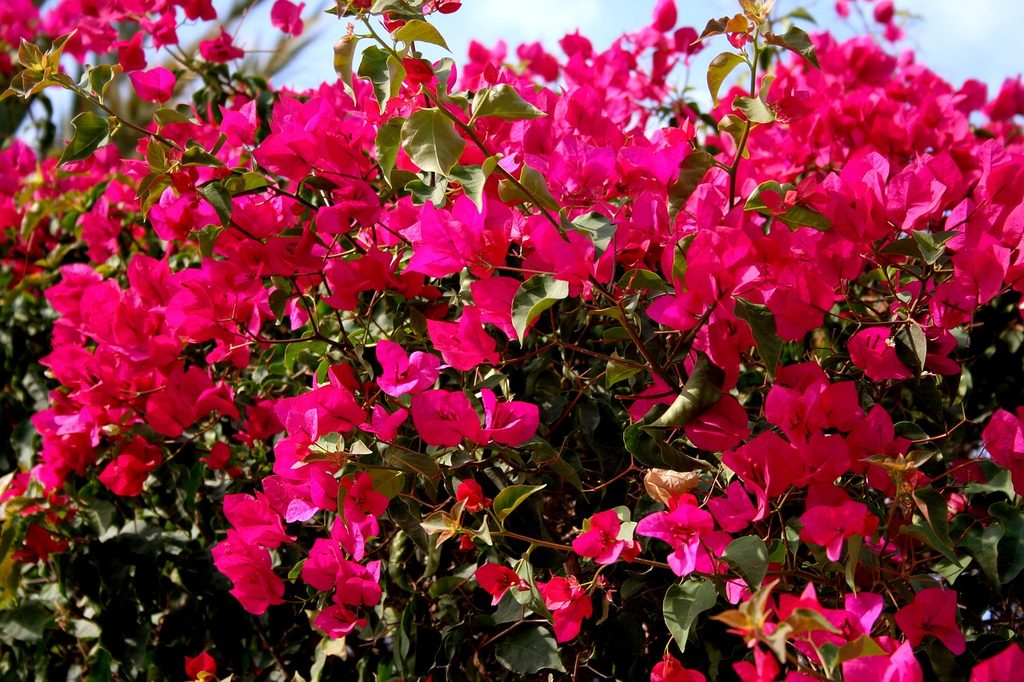
Bougainvillea is a family of flowering vines and trees native to South America. With flowers that bloom in a wide range of colors and a hardy nature, this plant is becoming increasingly popular across the U.S. If you have an archway, fence, or trellis in need of a new vine, or an empty spot in need of a tree, this beautiful perennial might be the perfect plant for you.
Ideal for pollinator gardens and bird lovers, bougainvillea is a great fit for many yards and gardens. We’ve put together a guide to answer all your bougainvillea questions, from planting it to keeping it healthy and safe from pests.

Planting bougainvillea
Choose a planting site that is in full sun. While bougainvillea can survive in some shade, it will not produce nearly as many flowers. Take the variety of bougainvillea into account when picking your planting site. Vines will need something to climb or hang over, and trees and shrubs will need space above and around them.
Bougainvillea does best in well-draining soil. It can tolerate poor soil, acidic soil, and even slightly salty soil, but bougainvillea cannot tolerate poor drainage or standing water. Well-draining soil that is rich with organic matter is ideal, and mixing compost into your soil before planting is a good idea.
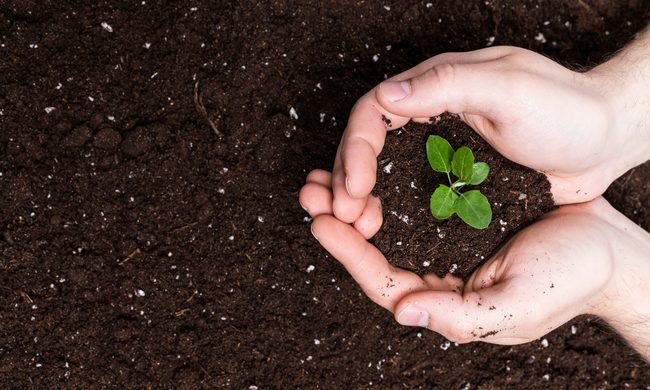
If you grow bougainvillea from seed, do not bury the seeds deeply. Set them on or just under the surface of the soil and lightly cover them with soil or compost to hold them in place. The seeds need sun to germinate, so covering them with a thick layer will slow or even stop the seeds from sprouting. If you’re concerned about losing seeds to birds, rain, or wind, consider starting your seeds indoors and transplanting them into your garden once they’re older.
Caring for bougainvillea
Once your bougainvillea is established, only water it when the soil is dry. Bougainvillea does not enjoy consistently wet soil. Overwatering can cause a bougainvillea to lose flowers, and that leaves it vulnerable to pests, diseases, and fungal infections. Water your bougainvillea every three to four weeks, or every two weeks during intense droughts. Be sure to give the soil a thorough soaking when doing the watering, so the roots get plenty of water to hold the plant over until the next watering.
Prune your bougainvillea in late winter or early spring. This is when the plant has finished blooming and hasn’t yet begun to grow new shoots or buds. Bougainvillea tends to bloom in mid to late spring or fall when the weather is mild and the days are around the same length as the nights. You can prune your bougainvillea later in the year as well, but this can result in fewer flowers directly afterward.
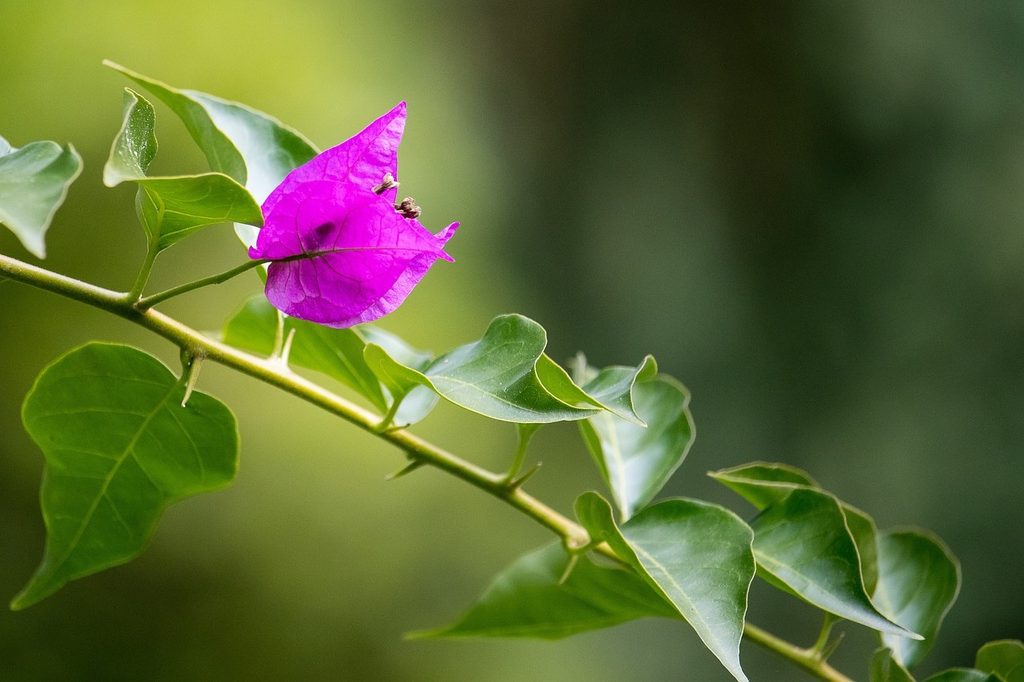
Handle your bougainvillea with care. The vines and branches have sharp thorns, which are coated in an irritating substance. Being scratched by these thorns can cause rashes or dermatitis, so wear thick gloves when pruning or moving your bougainvillea. If you get a scratch from it, wash the area thoroughly and apply an anti-itch cream to combat the symptoms.
Growing bougainvillea on a trellis
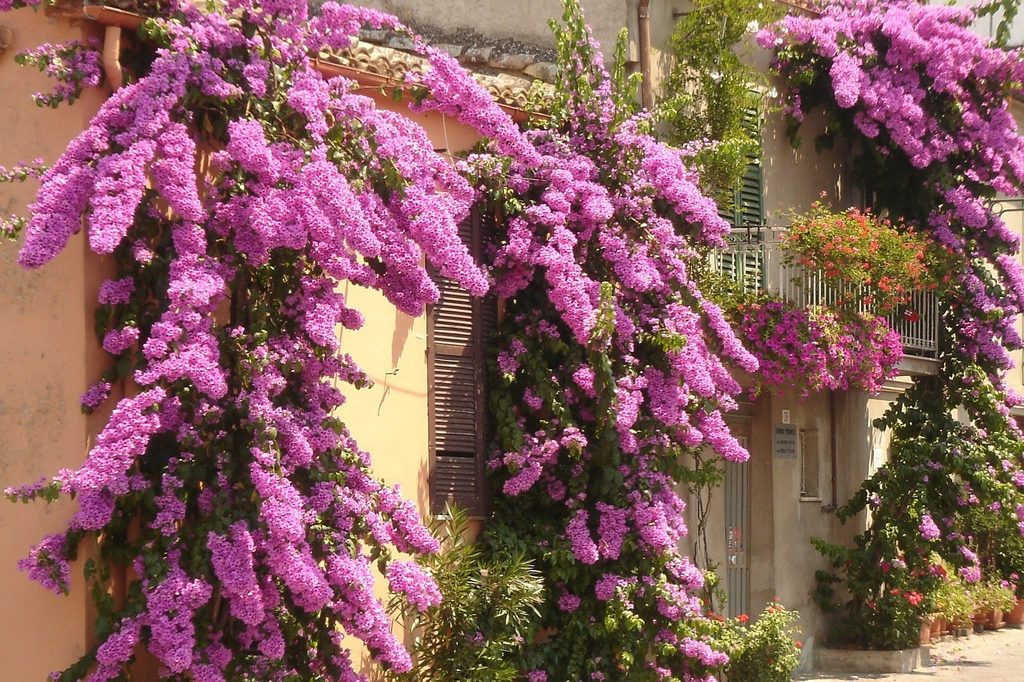
Choose a trellis that’s sturdy first and foremost. Bougainvillea can grow to roughly 30 feet long, and this can put a lot of stress on a weak trellis. Make sure the trellis is the right fit for your garden, both physically and aesthetically. Once the bougainvillea grows over it, replacing the trellis will be difficult. Archways and A-frames make great choices, as they are sturdy and beautiful, but wall-mounted trellises are another good option.
Plant your bougainvillea close to the trellis, and secure the vine to the trellis using loose thread or a twist tie. You may be able to loosely weave the vine into the trellis as well. Avoid securing the vine too tightly, as you don’t want to cut into the vine. Make sure to wear gloves and arm protection when handling the bougainvillea. Once secured, the vine will continue to grow up and over the trellis, and you can remove any ties you used. If the vines begin to spread outside the trellis, tuck them back into the trellis or prune them down to size.

Bougainvillea pests and diseases
Unfortunately, bougainvillea are prone to several kinds of pests. Aphids, mealybugs, caterpillars, and bougainvillea loopers will all snack on your bougainvillea plant if given the chance. Keep an eye out for holes in leaves or small wounds on the vines or branches. You can apply your choice of pesticide or pest repellent, but take care when applying it. Pollinators and other beneficial insects and animals love the flowers of bougainvillea plants. Avoid spraying the flowers as much as possible to lessen the harm done to them.
Bougainvillea plants can also develop fungal infections, especially on their leaves and roots. Luckily, it’s easy to avoid those. Carefully monitor the soil to avoid overwatering your bougainvillea plant. When watering it, try to keep the leaves dry. Wet leaves are the primary cause of leaf fungal infections.
Bougainvillea is a stunning tropical plant that makes for a unique garden addition. They are relatively easy to grow and care for as well. As long as your bougainvillea has plenty of sun and just enough water it is sure to thrive. Watch out for pests, though. While bougainvillea is toxic to humans, many insects find it delicious.