
When it comes to lawn care, there are tons of options. This holds true no matter what you’re talking about, but doubly so for grass. Buffalo grass is just one of many grass varieties, but it is certainly a popular one. Here are some of the basics about buffalo grass.
What is buffalo grass?
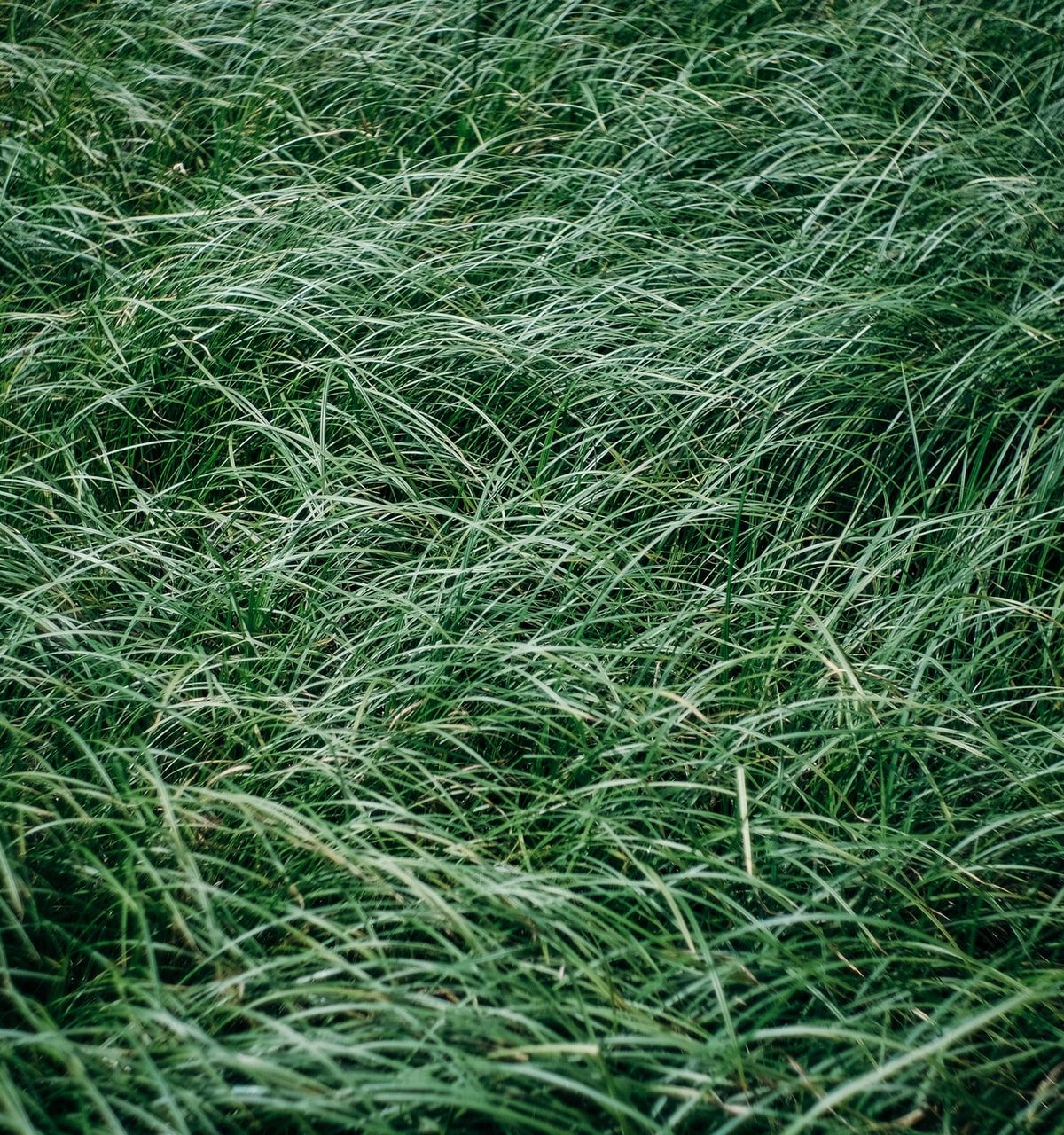
Buffalo grass is a type of grass native to North America. It’s a popular grass, known for being versatile and hardy. Buffalo grass is a nice blue-green color, with tall, thin blades. It can be found almost anywhere you buy your grass seed, sod, or turf. Buffalo grass changes in appearance as it gets older and taller. It can get very tall, but it leans over almost like a weeping willow. In the winter, when it is both tall and brown, it takes on a very soft appearance. Its name comes from its history as a food source for buffalo.
How long does it take buffalo grass to grow?
Buffalo grass grows quickly and steadily. It can grow up to a foot tall, but, due to the way it bends, rarely looks its full height. Buffalo grass seeds take two to three weeks to germinate. Once it is germinated, it should be fully established and spread throughout the area of planting within the first year.
If you prefer something faster, you can plant your grass via plugs instead. These take only two to three months to fully spread. However, they do take more work to plant. When fully established, buffalo grass needs to be mowed once every week or every other week, to keep it at its preferred height of 2 to 3 inches. Since it lolls to the side, even if you skip a week of mowing, your yard won’t look overgrown.
Is buffalo grass easy to grow?
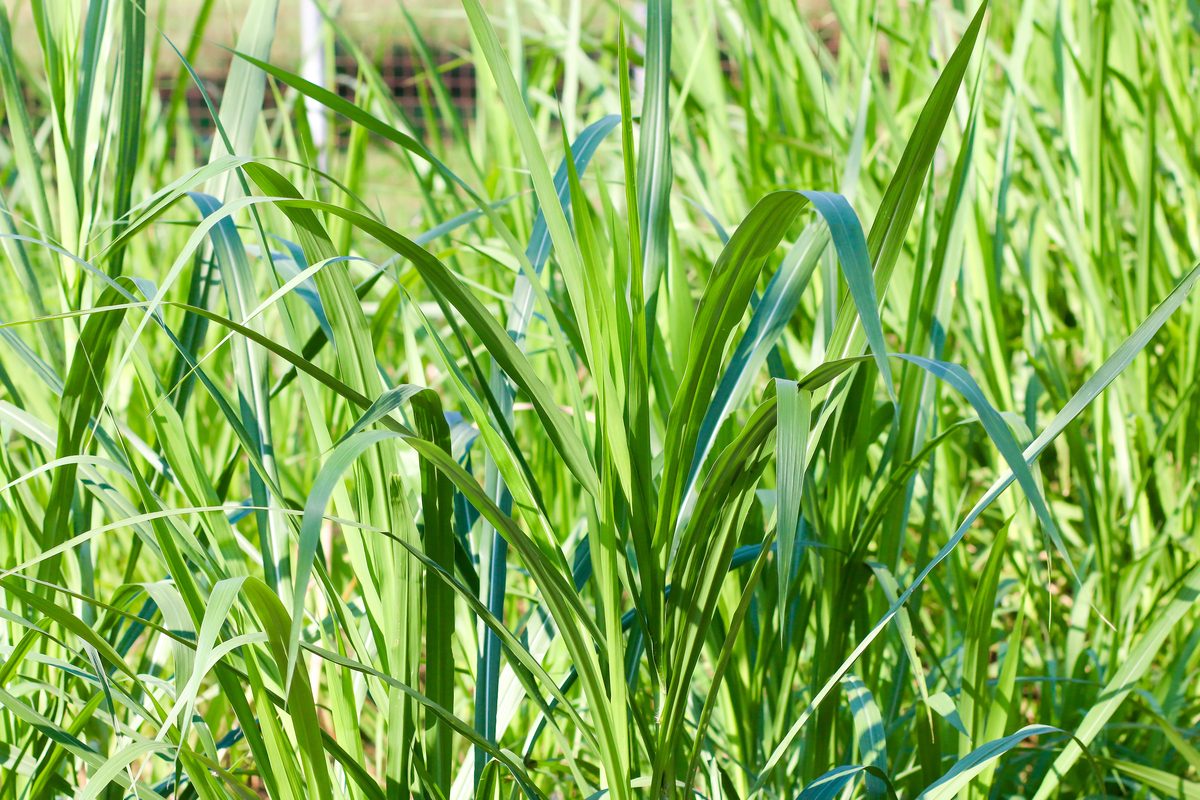
Buffalo grass is fairly easy to grow. It is drought-tolerant, which means it needs less rain or less-frequent watering, significantly cutting down on the amount of maintenance necessary. Buffalo grass enjoys full sun, but it is otherwise not picky about its environment.
Buffalo grass does have a tendency to spread, so it may need occasional trimming or bordering to keep it out of other areas, but this is the only problem facing many who plant this grass. There are some newer varieties of buffalo grass that have been bred to be even more resistant to drought, heat, and weeds, making it even more low-maintenance than it already was. Due to its height, buffalo grass often outperforms weeds, leaving them little space to establish themselves. Some weeds can still manage to invade your yard, but, on average, there will be fewer.
How do you plant buffalo grass?
The first thing to do is decide whether you’re planting your buffalo grass from seed, plug, or sod. All of these methods have pros and cons, so consider what the best fit is for you. The best time to plant buffalo grass, no matter the method, is late spring. Plants that have just been planted need a good amount of moisture to help them get established and start the growing process. April showers really do bring May flowers, or, in this case, buffalo grass.
Before you plant your buffalo grass, clear your yard of anything that may inhibit your grass’ growth. This includes weeds, rocks, and movable outdoor furniture. Make sure your soil is loose. If your soil is too compact, you may need to till the topsoil. Since buffalo grass is tolerant of most growing conditions, you likely don’t need to worry about testing your soil. As long as your yard gets plenty of sun, your buffalo grass should do just fine.
To start your buffalo grass from seed, you’ll need 4 to 6 pounds for every 1,000 square feet of yard space. This may seem like a lot of seed, especially if you have a big area to cover, but this allows your buffalo grass to grow in thick. It also accounts for the possibility that not every single seed will germinate and grow. Spread your seeds evenly, and make sure the ground is moist but not soggy. Try to avoid seeding your lawn right before a large rain storm, as some of your seeds might wash away.
If you’re planting with plugs, make sure your plugs are spaced apart properly. Plant your plugs 1 to 2 feet apart, and they should fully cover your yard within one to two months. If you plan on buying buffalo grass sod, make sure you measure your yard, and err on the side of overestimating rather than underestimating.
Having too much sod is a quicker fix than not having enough. Sod needs to be planted directly onto soil and can’t lie overtop of other plants, so it’s important to clear the land beforehand. Then, simply unroll your sod. Make sure every area is covered, press the sod down, and water it.
No matter the planting method, buffalo grass is an easy, low-maintenance grass. Its tolerance of most conditions and low-care requirements make it a fantastic grass for anyone, regardless of experience. Whether you’ve decided that this is the grass for you or not, hopefully you’ve learned a little something new about this fluffy, laid-back grass.