There are many things that make fall an incredible season. The weather begins to cool off, seasonal foods like pumpkins and hot chocolate come back, and of course, the trees display gorgeous fall colors. If you want to bring these colors to your home, you can plant any deciduous tree. Which ones give you the best, brightest, and most striking colors, though? This guide to fall trees will help you choose the best autumn trees for your yard or garden. From towering aspens to small serviceberries, here are our favorite fall trees.
Maple
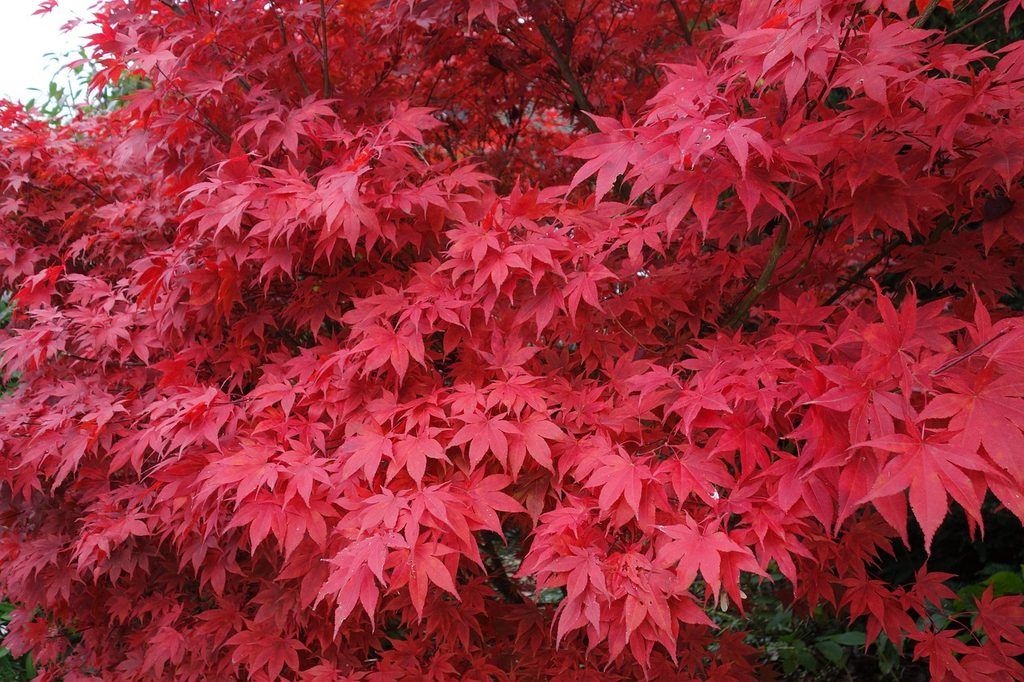
Maple trees are perhaps best known for two things — delicious maple syrup and brilliant fall colors. Depending on the size and color you’re looking for, there are a few popular types of maple trees to choose from. Japanese maple trees are smaller and tend to be a darker burgundy red in fall. Sugar maples are a little more orange with some red highlights, while red maples are, as you might expect, bright red. Both sugar maples and red maples can grow quite tall. While care can vary slightly between species, in general, you’ll want a space in full sun or light shade, well-draining soil, and plenty of room to grow.
Ginkgo
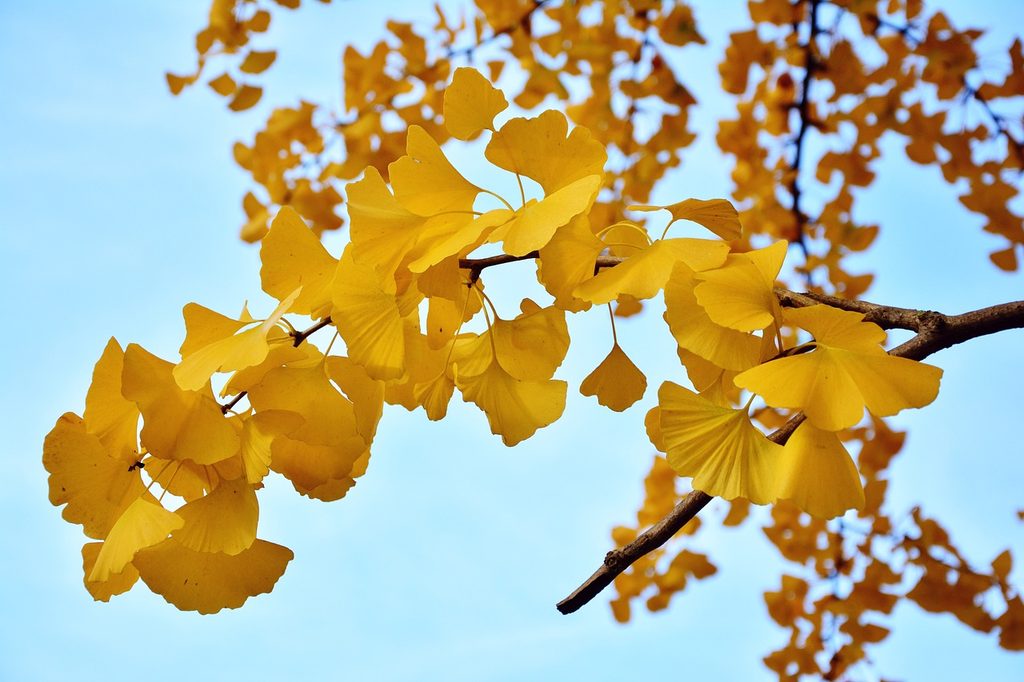
Ginkgo trees are among the oldest tree species still growing today, making them a fascinating plant to grow. They are incredibly hardy and tolerant of most conditions, so even beginners can grow this impressive and ancient tree. During fall, ginkgo leaves turn a stunning bright yellow. If you love the fall but find yourself missing the sun on cloudy autumn days, this is the tree for you. Plant your ginkgo tree in full sun or partial shade, and water it two to three times per week for the first few months after planting it. After that, ginkgo trees only need occasional watering during dry weather.
Black tupelo
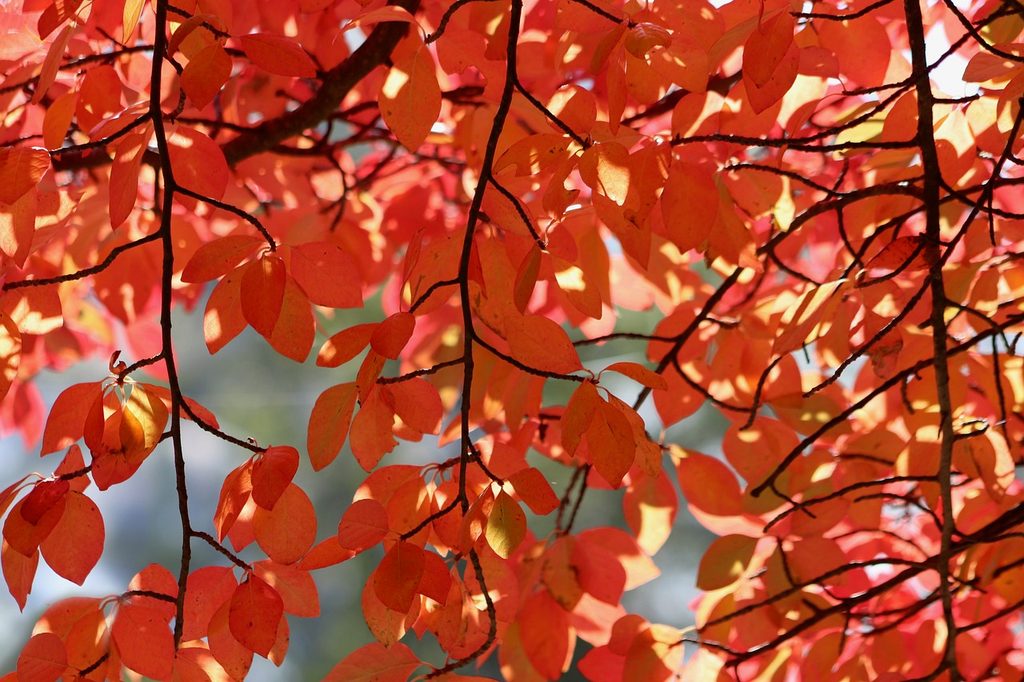
Black tupelo trees, also called black gum trees, are lovely native trees found across the eastern U.S. They produce small berries in late summer to early fall, which are edible but not particularly tasty. However, they are quite popular with birds and other wildlife! During autumn, the leaves turn fiery shades of orange and red. Plant your black tupelo tree in full sun to partial shade. It can tolerate most soil types, but it prefers well-draining soil. If you need a fall tree to grow in a swampy area of your yard, consider black tupelo’s relative water tupelo.
American hornbeam
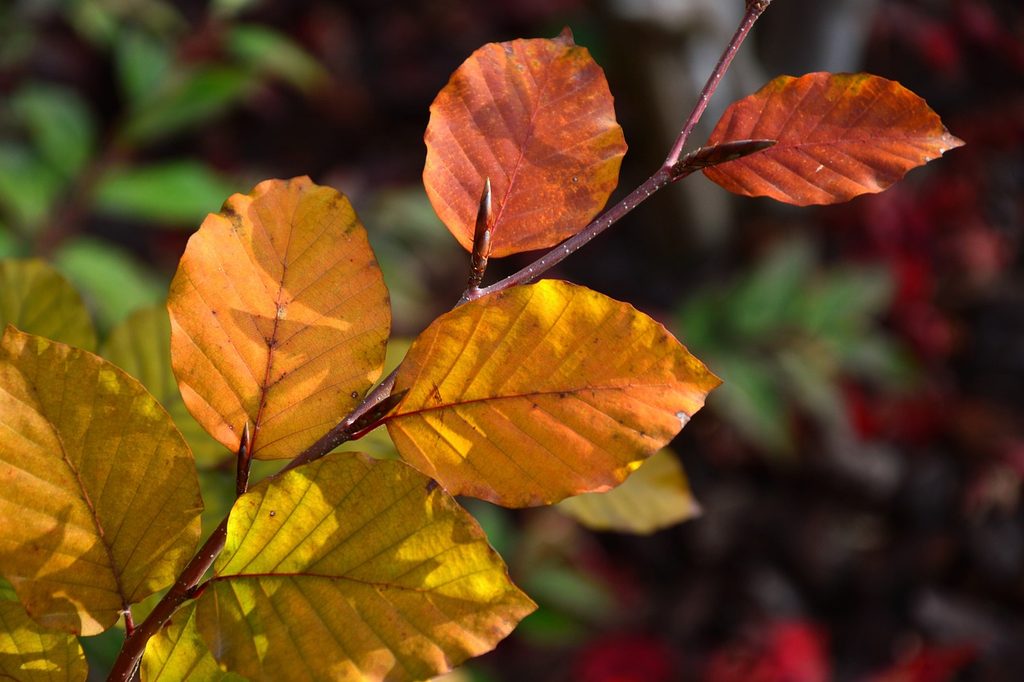
Also a native tree, the American hornbeam tree is on the smaller side. It typically grows to between 20 and 40 feet tall, with a canopy that is almost as wide. American hornbeam trees are related to birch trees, and they produce small nuts that are popular with songbirds. When it comes to leaf colors, American hornbeam has an interesting quirk — it has colorful leaves in fall and spring! When new leaves grow in early spring, they are a dark, bronzy-red shade. The leaves turn green for summer, then become bright red, orange, and burgundy for fall. For the best results, plant this hardy native tree in full sun to partial shade and well-draining soil.
Serviceberry
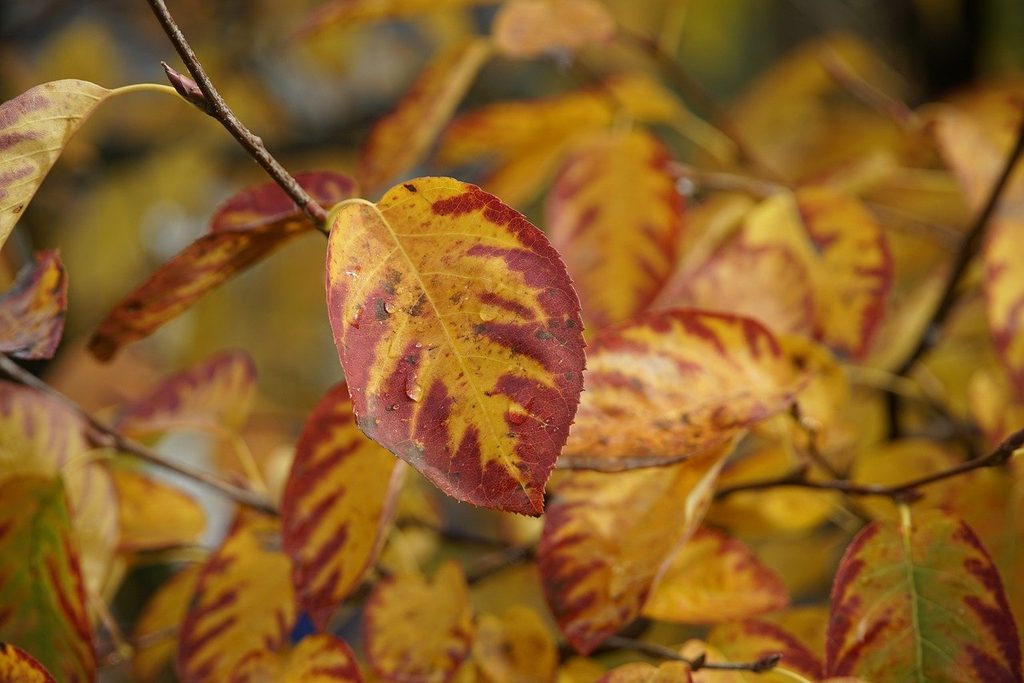
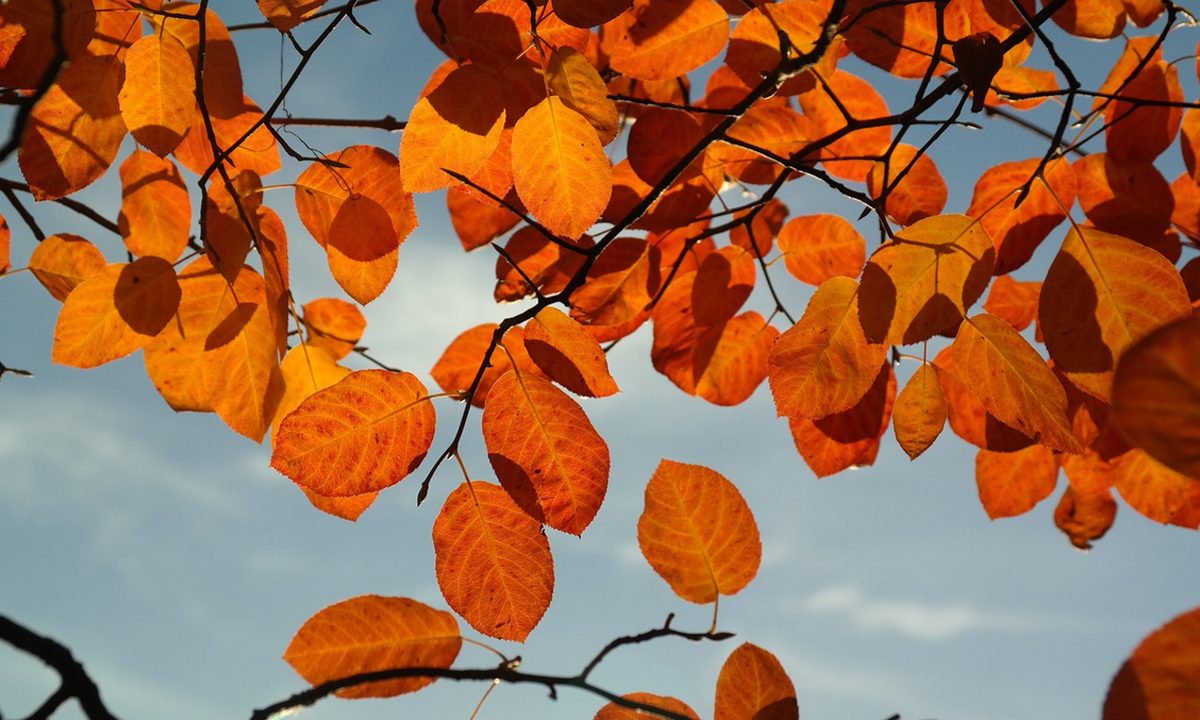
Serviceberries are beautiful native trees that have something to offer in every season. During early spring, they are full of gorgeous white flowers that, while short-lived, attract tons of pollinators. In summer, they grow berries that are popular with birds and humans alike. In fall, the leaves become bright red and orange, and after the leaves fall in winter, the shape and bark of the tree still provide interest. If you’re low on space and aren’t sure what kind of tree you want, serviceberry is the best all-around small tree. Plant your serviceberry in full sun and well-draining soil for the best results.
Quaking aspen
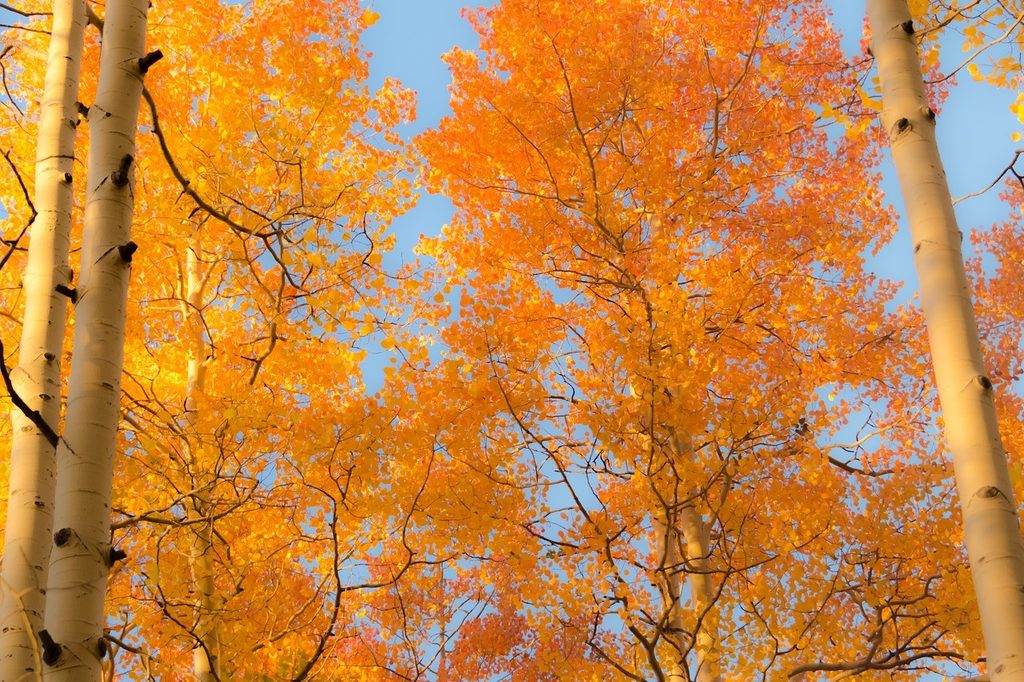
Quaking aspens are tall, thin, and absolutely stunning. For most of the year, these trees provide interest through their height, distinctive bark, and the waving or fluttering motion of their leaves (which is where the name quaking aspen comes from). In fall, the leaves turn golden yellow, with orange and red being uncommon but still possible. You should plant quaking aspens in full sun and moist, well-draining soil. To achieve their full height, they need plenty of nutrients, so rich, loamy soil is ideal. Quaking aspens are native to North America and found across most of the U.S.
These six fall trees may not be the only trees that change color in the fall, but they are some of the best! With vibrant colors in a range of shades, one of these six fall trees is sure to fit your needs and preferences. During the rest of the year, these trees will be able to provide shade, flowers, and even some fruit or nuts for your local birds. So why not pick your favorite and check out your local nursery to see what saplings they have available?