The phrase “turning compost” refers to the process in which you physically rotate your compost pile to help promote decomposition and increase airflow. There are many reasons to turn your compost pile as a home gardener, not the least of which is to speed up the decomposition process. If you’re new to home composting or have never turned your pile before, it’s important to know when to turn compost for the best results.
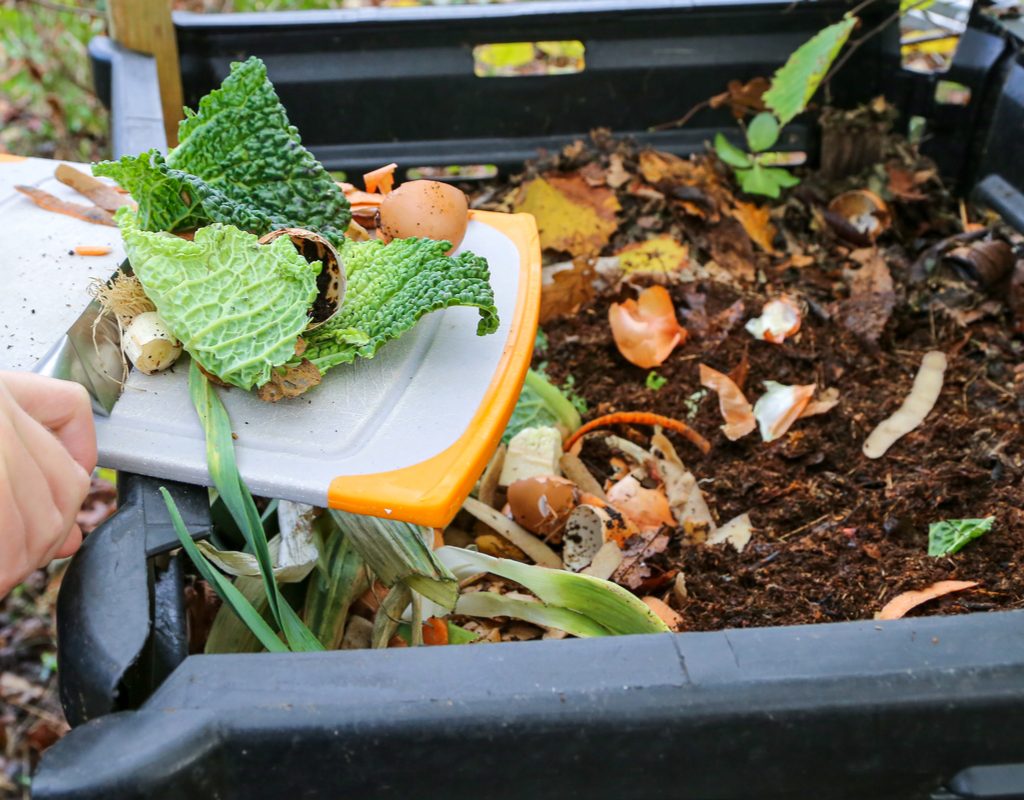
How to properly turn compost
When you turn a compost pile, your goal should be to bring the materials from the center to the outside and vice versa. As a home composter, you have two options for turning your compost pile.
The first is via a compost tumbler, which you can usually find as a unit and is where your compost pile will spend its life. When using a compost tumbler, you’ll need to turn the barrel regularly to make sure the compost gets mixed and air is introduced.
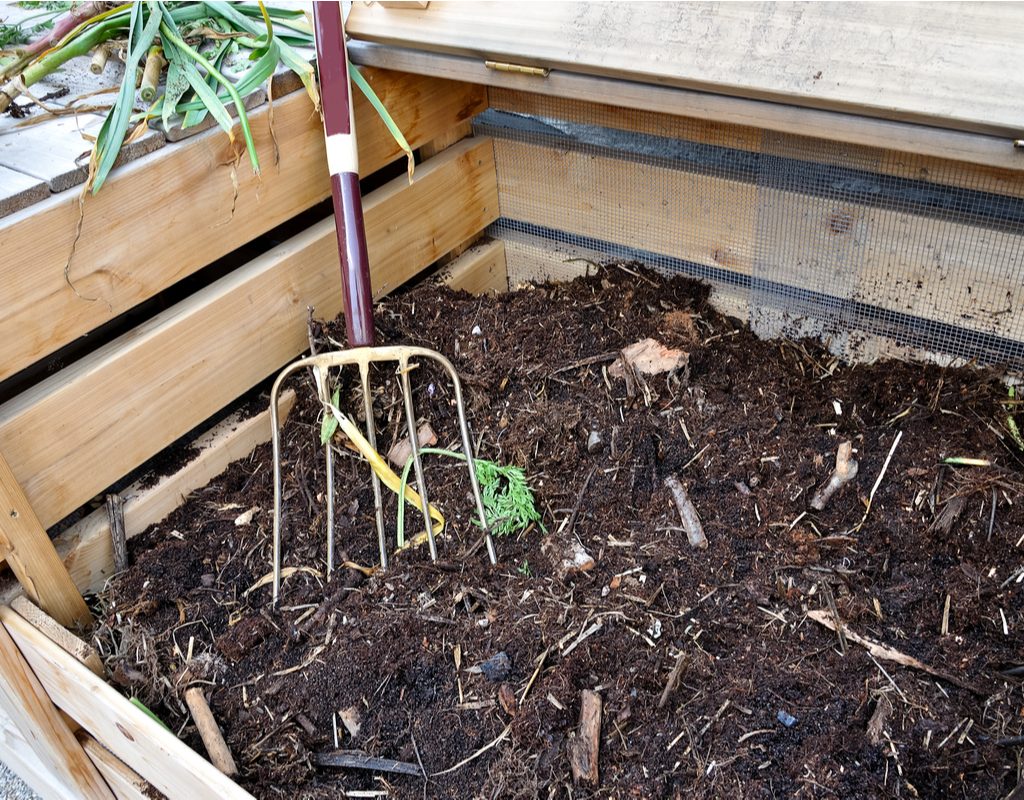
The second, more common method that home gardeners use is turning the compost pile by using a pitchfork or shovel to (quite literally) turn the pile over. If you have enough room in your garden, you can always have two to three compost bins to move the pile back and forth each time you turn it. Although multi-bin compost setups require a lot of space, they help ensure the pile is being mixed and air is being introduced.
When you should turn your compost pile
“How often should I turn my compost pile?” Well, the answer’s fairly straightforward. You should wait at least two weeks between turns so that the center of the pile has time to heat back up and continue decomposing. Because turning your compost pile helps promote bacterial activity (since the center eventually cools down without being mixed), frequent turnings help speed up the process. If you’re hoping for fast compost production, it’s best to turn your pile every two to four weeks.
The benefits of turning your compost
The biggest benefit from turning your compost pile is directly correlated with when to turn compost. The more frequently you turn the pile (with at least two weeks in between), the faster the decomposition process will be. Turning the pile allows air to flow through, providing oxygen to the microbes that aid in decomposition. Think of it in terms of a fire. Fires need air to burn. The mixture of carbon and nitrogen materials in your compost pile is similar to a fire in that it needs air to continue on.
As the pile decomposes, it shrinks because materials are breaking down. Turning the compost allows particles that aren’t fully decomposed to be exposed to new moisture and heat and complete their breakdown. For this same reason, turning the pile helps speed up the process. Once the center materials break down as much as possible, they will cool and the process will slow. Allowing new particles to be exposed will give decomposition a steady pace.
Have you ever wondered why your compost pile smells so bad? Well, you might not be turning it enough. Moving the materials around and introducing more air will keep the materials from getting matted and allow the moisture to disperse a bit. It’s also possible you might have too many green (nitrogen-producing) materials in your pile, so you can always try to add a bit more brown (carbon-producing) materials to balance it out.
Other factors to keep in mind
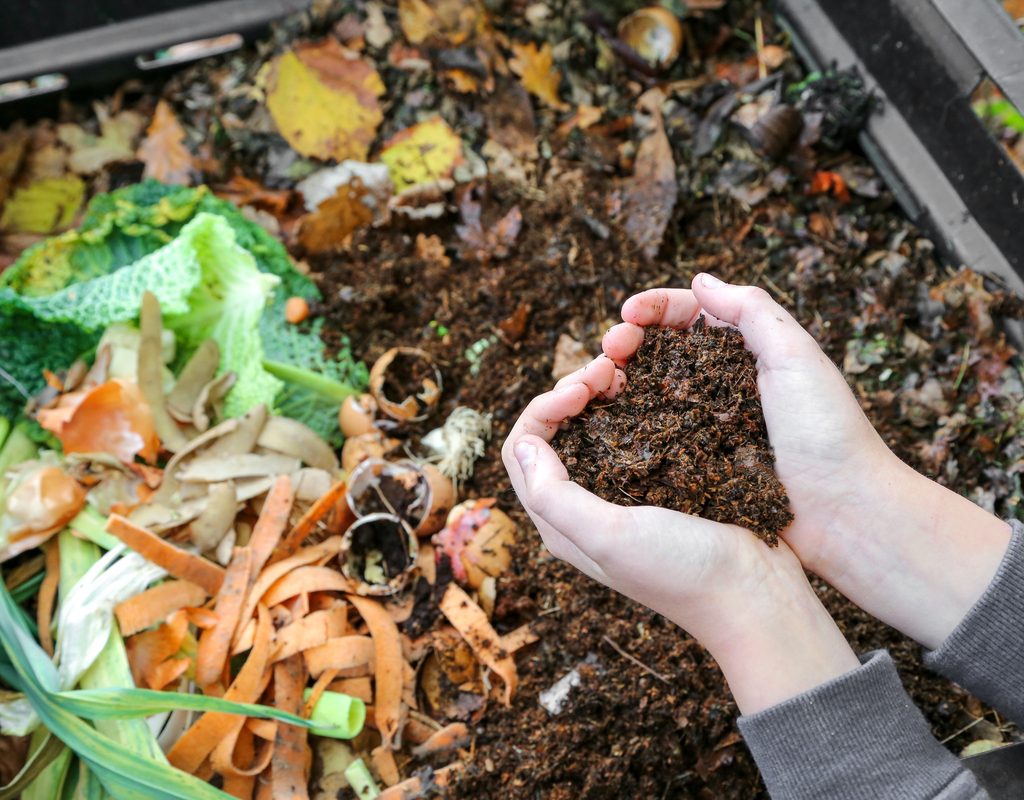
The amount of time it takes your compost to decompose and the rate at which it decomposes depend on more than how often you turn your compost pile.
- The size. The most efficient composting can be done with a pile between three feet by three feet and five feet by five feet. A small pile will take longer to finish decomposing because it won’t be able to produce as much heat, whereas a pile that’s too large may be difficult to turn (thus slowing the process).
- The surface area. The larger the surface area, the more ground the microbes will need to cover. This is why it helps to chip, shred, or mulch things like wood, dried leaves, and cardboard. The pieces will break down quicker if they’re smaller.
- The balance. A good compost pile needs an equal balance of brown materials and green materials with just the right amount of moisture, otherwise, it will take longer to compost.
- The time of year. Warmer temperatures encourage bacterial activity while cooler temperatures will slow them down. Compost piles should be turned frequently throughout the summer but once late fall and cool temperatures hit, it’s recommended to stop turning so that heat doesn’t escape from the center.
A properly turned 3-by-3-foot compost pile should decompose in about three months, as long as you keep these other factors in mind. Larger and smaller piles will take longer to decompose (and you won’t have as much compost with a smaller pile, anyway). And although you can compost through the winter, the cold means that the pile will take more time to fully break down. Remember: no two piles are ever the same, especially when you’re starting out. It may take a bit to figure out the right balance and the best turning schedule for you, but you’ll get there in no time!