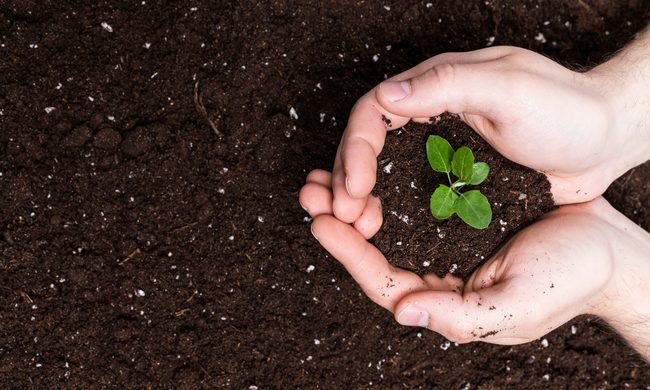
Whether it’s the first cut of the year or it’s the middle of the growing season, mowing your lawn can leave behind a lot of unwanted grass clippings. Thankfully, you can easily turn those clippings into compost for your garden for some easy, organic, and completely free fertilizer. This process will be easier with smaller lawns, but no matter the size of your yard, you can use our guide to gather up all those cuttings, improve your lawn’s appearance, and give your garden some much-needed nutrients all at the same time!
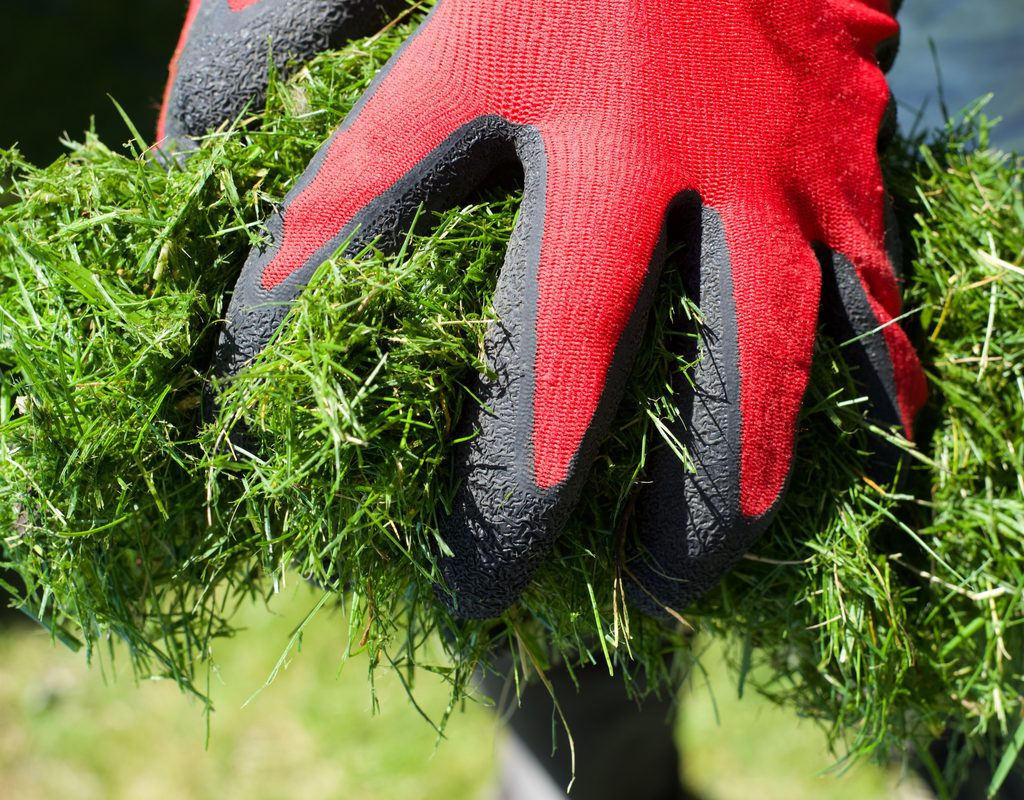
Do you have to remove grass clippings?
You should know that composting isn’t your only solution! We’ll talk about some other options later on, but as long as you’re cutting your lawn regularly, leftover grass clippings won’t pose any threat to new growth and can simply be left alone to naturally decompose; however, if you’ve waited longer than usual to cut your grass this time and it’s a good deal taller, you’ll want to remove a decent amount of clippings to avoid smothering the grass underneath.
If you’re interested in adding a rich source to your fresh compost pile, though, press on!
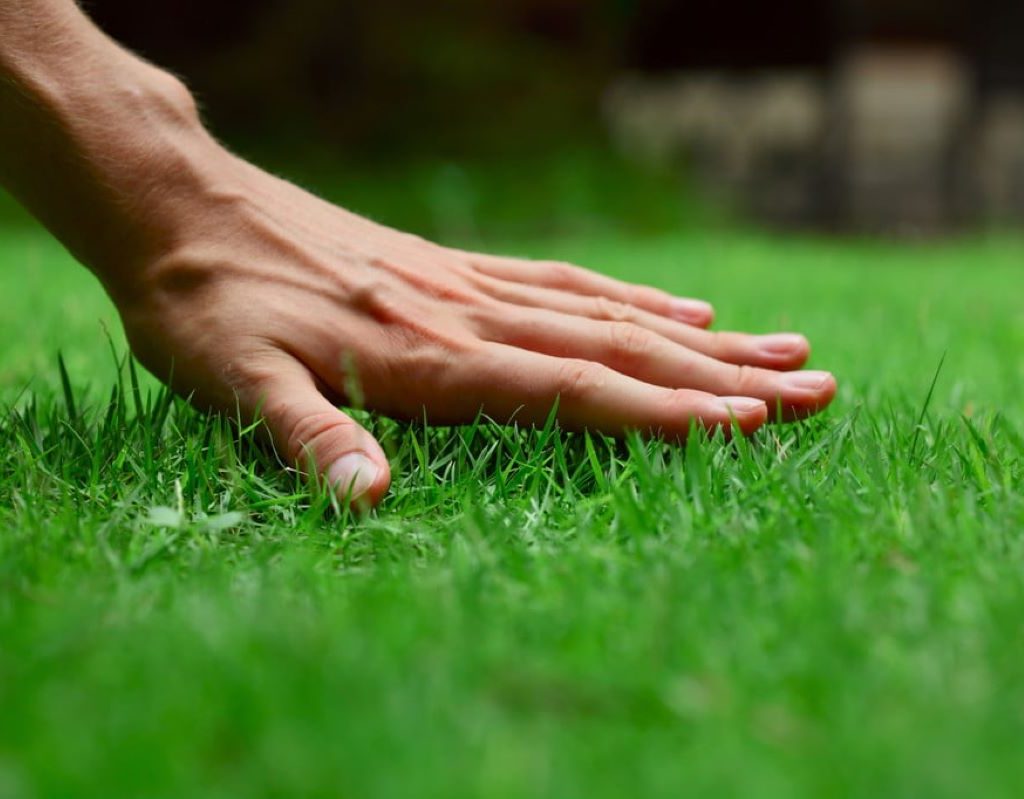
Know what kind of grass clippings you’re using
Knowing how to compost grass clippings starts with understanding what makes up a compost pile. Every successful compost pile needs three things: nitrogen sources (greens), carbon sources (browns), and water. Ideally, you want a balanced mixture of nitrogen and carbon, and enough water to give the pile some moisture, but not so much that it gets soggy.
Freshly cut yard clippings are a green source, meaning they’ll increase the amount of nitrogen in your compost pile. When adding these to the compost pile, be sure to add a similar amount of a brown source (such as dry leaves or old, dried-out yard clippings). Because dried-out yard clippings are considered to be a brown source instead of green, you could easily alternate when you add the clippings. Trim the yard and set aside those clippings to dry out. The next time you trim the yard, you can add equal amounts of the fresh clippings and the dried ones from last time.
Are herbicides a concern?
A common concern with composting yard clippings from a lawn that’s been treated with an herbicide is that they will cause harm to the compost pile. Most herbicides, though, are legally required to be able to break down in a few days in order to be marked for use on lawns in residential areas. However, caution should be taken when using grass clippings from farms or large venues like golf courses. The herbicides used in these spaces can take weeks to break down, and as such, they aren’t recommended for compost piles.
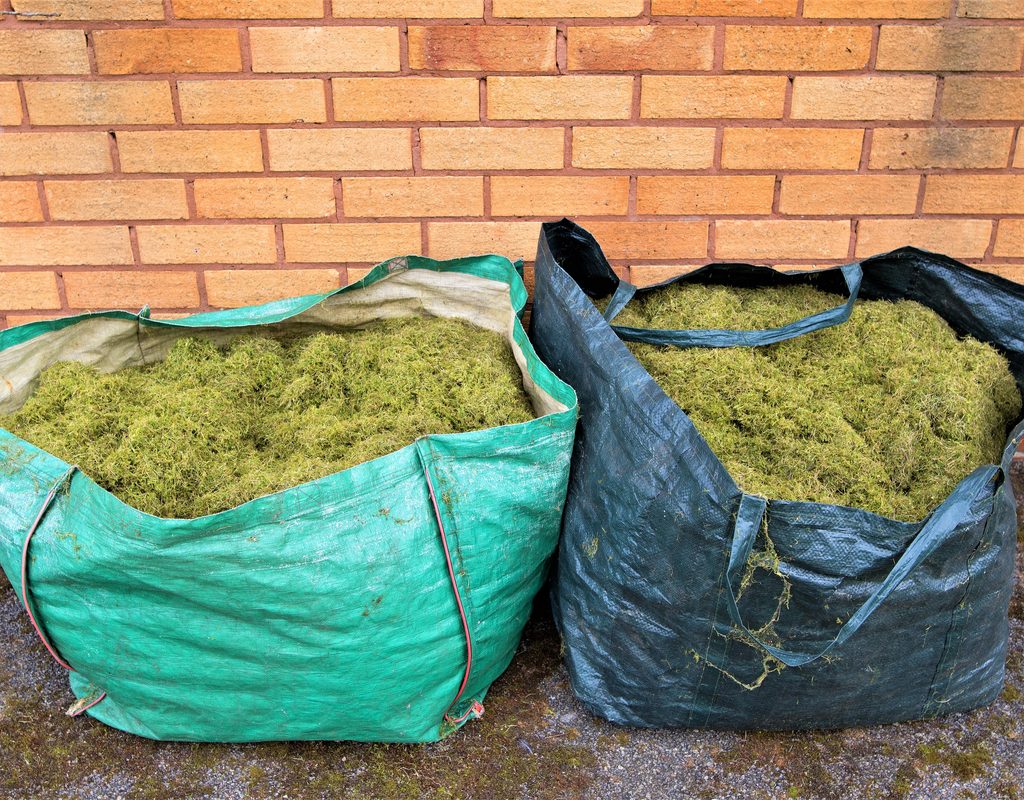
Composting your clippings
Grass clippings can be composted similarly to any other nitrogen-rich material that can break down in a compost pile. Special care should be taken with them, though. Because grass clippings are mostly water, it’s very easy for them to be compacted when put in the pile. Be sure not to stuff them down into the bag or container when you’re adding them. A layer that’s too thick won’t break down properly and could cause a foul odor.
As long as you remain cautious about how many grass clippings you’re adding to the pile at any given time and make sure to balance the mixture with a brown material, you should be good to go! Here are a couple of tips to keep in mind:
- If you find your pile is full of grass clippings, give it a turn every few days with a proper tool. This will help speed the composting process along and introduce air into the pile.
- Compost your grass clippings in thin layers and in a 2:1 ratio with a brown material to keep the balance.
If you’re looking for how to compost grass clippings quickly, you may not find your answer. The best way to ensure a fast breakdown of materials is to keep your compost pile in a mostly perfect balance: equal parts nitrogen and carbon, and some moisture to help the process. A pile without the right balance will result in a slower breakdown. And bear in mind that even if you have the perfect mix of materials, composting still takes a while.
How long does it take to compost grass clippings?
So what timeline can you expect from composting grass clippings? While it might take a while to compost grass, it won’t take forever. The good news is, grass clippings break down quickly because they’re mostly made of water. Generally, they only take a few weeks to decompose when left to their own devices or when composted in a container. But if you’re turning a compost pile, this time frame can look more like a few months. Bear in mind that short grass clippings will break down faster, so frequently mowed lawns (say, every week) may yield clippings that decompose more quickly.
Why compost clippings in the first place?
Because grass clippings are high in nitrogen (and available as long as you mow your lawn!) they’re a free, nutrient-rich source you can use on your garden beds. They’re a truly organic way to give your plants some essential nutrients like potassium and phosphorous, and their presence in your compost pile won’t cause any harm to the soil’s organisms. Best of all, composting your grass clippings means you’ll avoid spending money on hauling the clippings to a landfill (and as such, wasting perfectly good plant nutrients).

Alternatives to composting
If you’re not interested in composting grass clippings or you live in an area where you don’t have room for a compost bin, there are other alternatives available before resorting to the landfill! As mentioned at the beginning, grass clippings can simply be left alone on a well-maintained yard. Small clippings will decompose with ease, giving the nutrients right back to the lawn they came from.
Longer clippings, like the ones you’ll get after the first mow of the season or after a few days of rain, should still be removed. The good news is that they can actually be used not just as compost but as garden mulch, too! When you use your yard clippings as garden mulch for retaining moisture, you’ll want to give them a few days to dry out so that air is able to flow between the blades and the soil and plants won’t be smothered. Never put more than two inches of clippings on top of your garden soil, and avoid using them right away if the lawn has recently been treated with an herbicide. This is because even though the herbicide will break down properly in a compost pile, it won’t break down right away on new clippings and could cause harm to your plants.
Once you know how to compost grass clippings, you’ll find yourself wondering why you ever treated them as yard waste. They’re full of nutrients and are a free source of nitrogen, and they can provide plenty of benefits throughout the growing season. After all, the lawn never stops growing, so you might as well make it work for you and your garden!