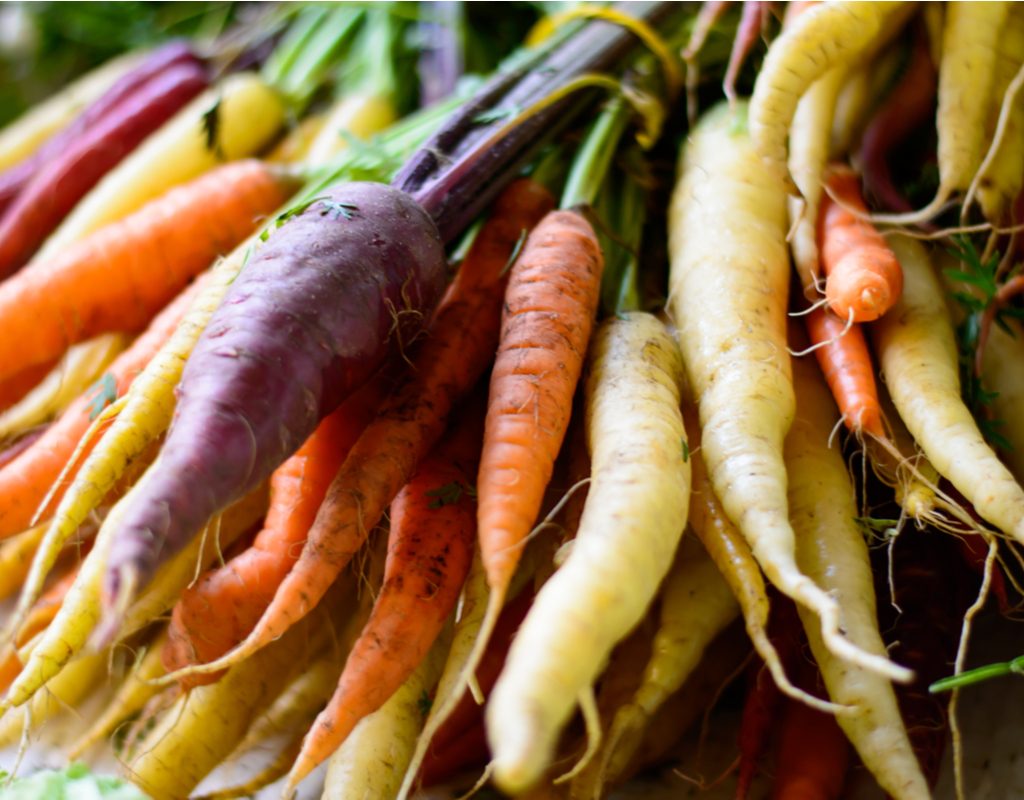
Carrots are perhaps one of the most popular vegetables, used and favored for their versatility and ability to work well in an array of dishes. You can eat them raw as a snack, bake them in cinnamon and sugar, add them as a nice touch of color to a soup or stew — some people will even use carrot greens as a decorative garnish. Although carrots are known for their iconic orange color, you can actually grow varieties of different colors and sizes to add even more depth to your cooking.
But how do you grow carrots successfully? And is it possible to harvest and preserve more seeds?
Why you should grow carrots at home
Before we talk about how to grow carrots, we need to consider the why. Why bother growing carrots at home when you can easily get them at the store? Well, freshness is at the top of that list. Freshly harvested carrots will always taste better than store-bought ones shipped in from somewhere. There’s something nice about walking out to your garden, harvesting some carrots, cleaning them off, and adding them to your dinner. What’s better than a fresh-tasting reward for the hard work you put in?
The other big plus is the money. Most of the time when you’re buying carrots, you buy them in bulk to cut down on costs and plan around (hopefully) using them before they go bad. But when you can grow and harvest your own produce at just the cost of a seed packet, why say no? You don’t even need a garden bed — carrots can be grown in smaller batches indoors and in containers.
What kind of dishes can you make with carrots?
Carrots can be added to an array of things from desserts to dinners to midday snacks. If you have an excess of carrots, Nigella has a gorgeous carrot cake recipe that you can bake and share with your family friends. But if you’re in the mood for a more comforting food, you should try this carrot soup recipe from Eating Well that’s perfect for any time of year. And of course, there’s nothing better to add raw carrots to than a nice, fresh salad. They bring color, crunch, and texture to what could be an otherwise lackluster dish.
What’s the best time to plant carrots?
Carrots are cool-weather crops, so they don’t grow well in the stark heat of summer. You can start sowing seeds or planting seedlings when the ground is workable at the beginning of spring. As long as you have some protection on hand, you can plant a couple of weeks before the last frost (the carrots can handle it). If you want to lengthen your harvest, you can plant new sets of seedlings every week or two throughout the spring; however, you should cease planting come summer since they won’t grow as well in the warmer months.
If you’re growing carrots indoors in containers, you can start them at any time as long as you have an environment that meets their needs. Many gardeners will choose to plant some carrots in a bed for harvesting and others in a bed marked for seeds so they can harvest and plant them the following season.
How long do carrots take to grow?
Generally, carrots take anywhere from 50 to 75 days to be harvest-ready when growing from seed. If you’re starting with seedlings purchased from a nursery, your time from planting to harvest will be a little bit shorter, but you should expect it to take over a month before they’re ready to be plucked from the ground.
How to grow carrots (they’re beginner-friendly!)
Carrots are typically treated as annuals, though they can be overwintered and stored if you aren’t able to use all of them right away. They grow best in the cooler weather, with daytime temperatures no higher than 75 degrees Fahrenheit and nighttime temperatures that are consistently around 55 degrees Fahrenheit.
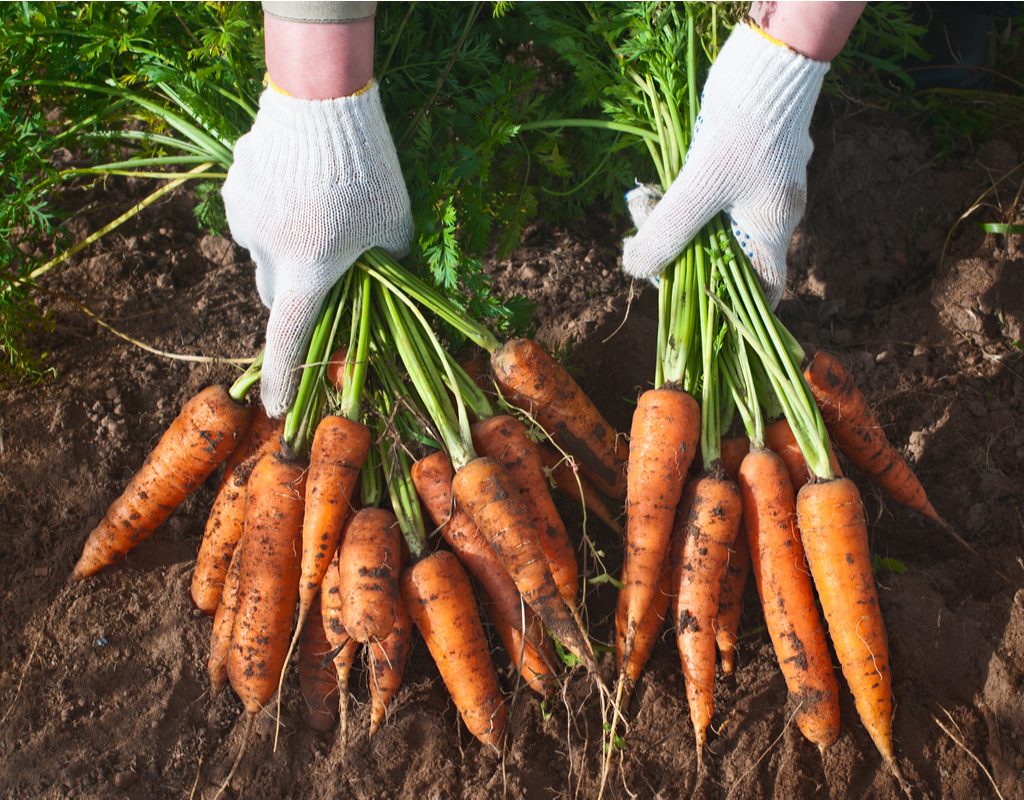
Ideally, carrots do best in a raised garden bed with loose soil where they’ll have a lot of room to grow. But it’s no sweat if you don’t have that! This beginner-friendly crop isn’t too difficult to keep happy, so long as you’re able to water well and meet the light requirements. Part of why these crops are so nice for those who haven’t gardened much before is because it’s very easy to tell when they’re ready to harvest. The tops start to poke out of the ground, which makes it obvious when they’re mature enough to be plucked from the dirt.
Light needs: Six to eight hours of full sun with minimal shade
Water needs: Regular watering (at least one inch a week)
Soil needs: Loose, well-draining soil
Tips to keep in mind
Even though they’re easy to care for, carrots are a crop that requires even, adequate spacing. When planting seedlings, you want to make sure to plant them about two to three inches apart so their roots (and actual crop) have space to grow to maturity. If you start from seeds, because you’ll want to plant a few seeds per hole, you should take care to thin them out as they start to grow so that the strongest seedlings have enough space between them to grow.
As with any crop, keeping the garden bed free of weeds will allow the roots for the plants you’re growing to get first pick of the nutrients and water in the soil, as well as give them the needed room to thrive; however, that’s a routine part of maintaining an outdoor garden, and carrots don’t need anything special to stay alive. If you want, you can even put down some weed guard before sowing seeds or planting the seedlings.
Growing any kind of produce or fresh crop at home brings many benefits, and most of them are easy enough to care for that the reward is well worth the work.