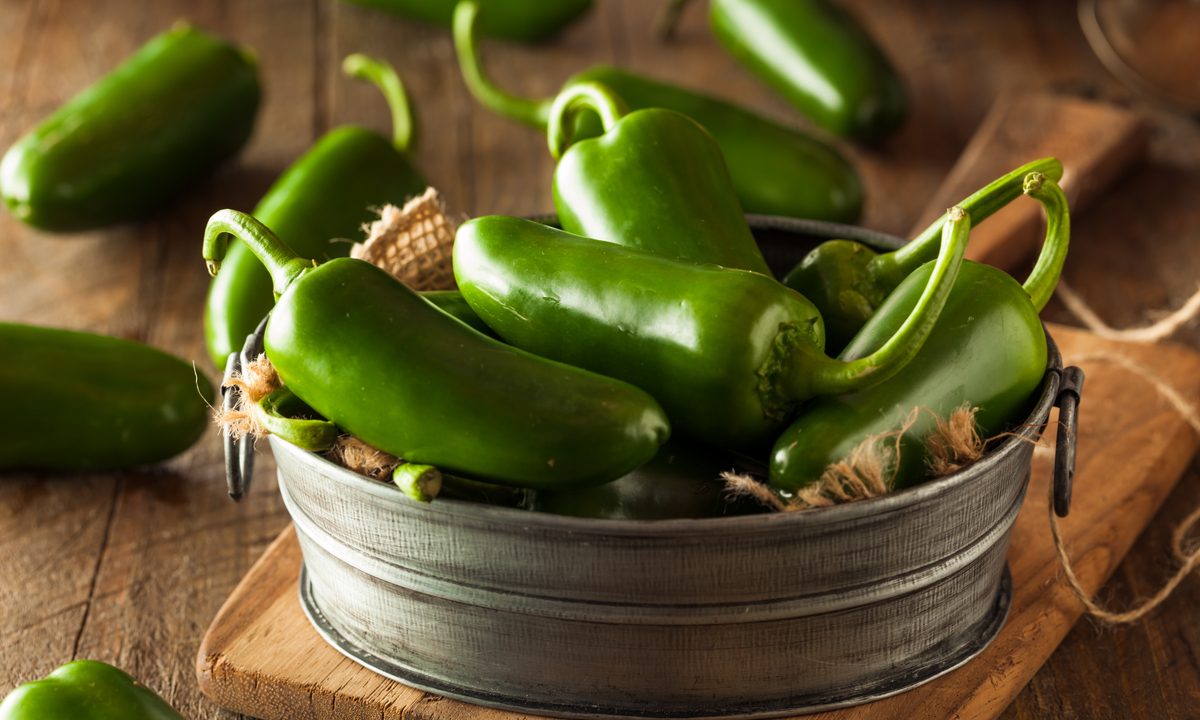
Jalapeño peppers are a medium-hot cultivar known for their use and cultural significance in Mexican cuisine. They're extremely popular in a wide range of dishes and can be added to just about anything to add a mild kick and a pop of color.
Although you can find them in most grocery stores, jalapeños are one of the most popular peppers you can grow in a summer garden, perhaps due to their versatility. Want to know how to grow jalapeños from seed? Here's how!

Why you should grow jalapeños at home
Even though you can buy them at the store in a semi-fresh state, they still aren’t as fresh as ones straight from the plant — and any home gardener or farmer will tell you that nothing beats fresh produce. There’s something to be said for being able to walk down to your garden or a hanging basket on a patio, pick a couple peppers, and chop them up for that night’s dinner. Plus, growing from seed is more cost-effective and yields more than buying one or two peppers from the grocery store.
When you’re growing fresh produce, the risk of it wasting in your fridge goes down, too! Most of the time, you’ll be able to pick them as needed (unless they’ve hit their fully mature size) and leave the rest to grow a little longer and stay healthy on the plant. They’ll continue getting energy, nutrients, and sunlight, and won’t succumb to being forgotten in the back of a veggie drawer.

Things to do with fresh jalapeños
Fresh jalapeños are used on an array of dishes — you can toss them into tacos, salsas, and even margaritas! A Couple Cooks, for example has a breakdown of different types of salsas you can make (from salsa roja to pico de gallo) using fresh jalapeños. Salsas are a great option for sharing, too, because you can jar them and give them as just-because gifts to family for a little taste of your garden.
If you have more jalapeños than you know what to do with but don’t want to waste your harvest, you can give them away to friends and family or pickle them at home for future use! A Couple Cooks also has a jalapeño pickling recipe that only takes 10 minutes of active prep work. These pickles can store in your fridge for up to a month, available for you to use on any dish you want!
Check out this full list of fresh jalapeño recipes from A Couple Cooks.

How to grow jalapeños from seed
Growing jalapeños from seed isn’t that complicated. Here's what to do:
Step 1: Start your seeds indoors if the temperatures are below 65 degrees Fahrenheit. Otherwise, you can sow them directly into your garden.
Step 2: Start indoor seeds eight to ten weeks before the last frost of the season, so they'll be ready to transplant when the weather is warm.
Step 3: Germinate seeds in a warm area away from drafty windows. A small heater, heat lamp, or heat mat can help.
Step 4: Space seeds or seedlings 14 to 16 inches apart, with 2 or 3 feet between rows.
Step 5: Plant jalapeños in moist, well-draining soil where they will receive at least 6 hours of sunlight daily.
Step 6: Water jalapeños when the soil is dry to a depth of 1 inch.
What can you grow with jalapeños?
When it comes to companion planting, there are many fruits and veggies that you can grow alongside jalapeños. Not only will you be able to enjoy more food and color from your garden, but you'll also be able to help your jalapeños grow stronger. Here's a list of plants to grow next to your jalapeños:
- Basil, which can repel pests and help with soil moisture retention
- Marigolds, which attract beneficial insects and pollinators
- Spinach, which helps with cooling soil and retaining moisture
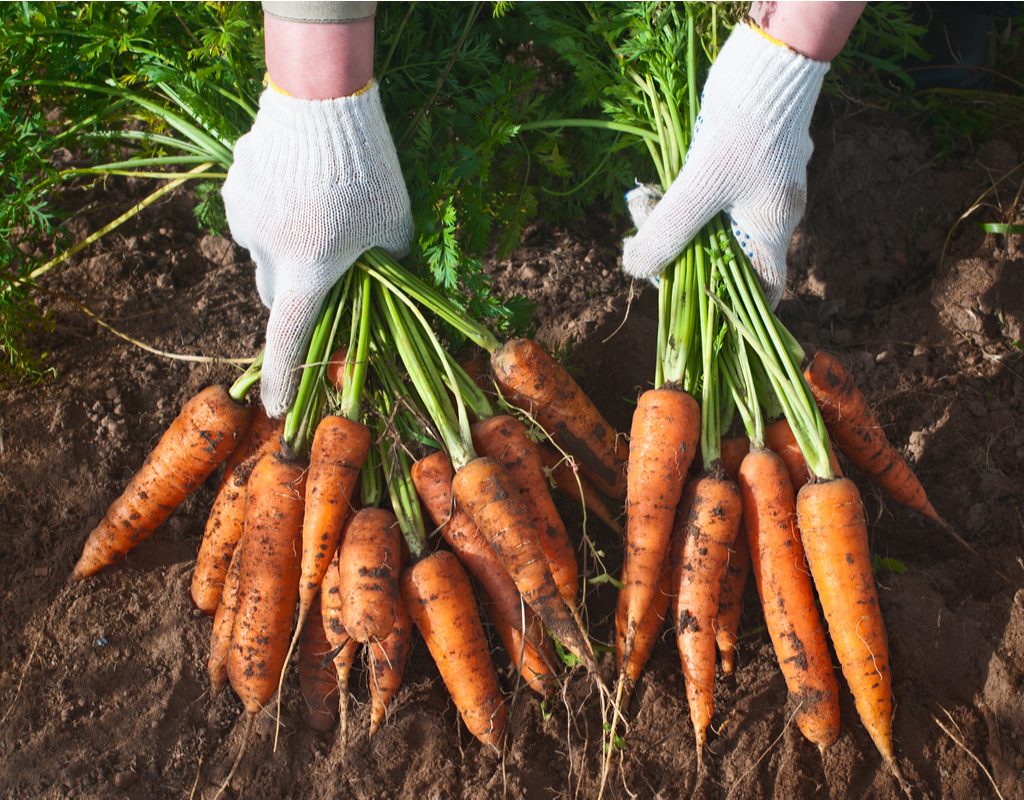
- Carrots, which help minimize weed growth while enjoying shade from jalapeños
- Tomatoes and other nightshades, which share similar growing conditions with peppers — just be very careful about spacing to avoid spreading transferable diseases
Here are some of the plants that you shouldn't plant near jalapeños:
- Fennel, which may inhibit jalapeño growth
- Apricots, which can be prone to diseases from pepper plants
- Brassicas family plants (including cabbage, kale, Brussel sprouts, and more), which require different soil conditions

When and how to harvest jalapeños
Jalapeños are actually harvested prematurely in most cases before they reach their red and orange color. This is because jalapeños are actually at their maximum heat level before they start changing from green to red. You can let them ripen to a red or orange color, but keep in mind that the peppers will be sweeter.
Here's how and when to harvest them:
Step 1: Harvest jalapeños when they are about 4 inches long and dark green.
Step 2: Gently lift the pepper with your hand — some peppers will fall off with minimal effort.
Step 3: If the pepper does not come loose immediately, use a pair of sharp, clean shears or scissors to cut the pepper off the plant.
Step 4: Leave 1 or 2 inches of stem attached to the pepper to avoid damaging it.

Can you plant the seeds from a jalapeño?
Yes! Jalapeño seeds are one of the most common ways these plants are propagated. Here's how to harvest them:
Step 1: Cut the long way down the center of the pepper.
Step 2: Gently scrape the seeds out with a butter knife.
Step 3: Wear protective gloves or wash your hands thoroughly after handling jalapeños to avoid getting painful capsaicin in your eyes or cuts.
Step 4: Spread the seeds out on a flat surface and let them dry for a couple weeks. You'll know they’re ready to be stored when you pinch them gently and your nails don’t leave an indentation.
Step 5: Store your dried seeds in an airtight seed envelope or ziplock bag and keep them in a cool, dark place for use next season.
Common problems with jalapeños
Jalapeños are unfortunately susceptible to quite a few pest and disease problems, which is why it’s even more important to provide proper care and ensure that you’re growing healthy, strong plants. These problems include:
- Anthracnose, identified by dark sunken spots on the pepper
- Aphids, tiny green or white insects that suck sap from the leaves
- Cucumber beetle larvae, yellow-green beetle that eat holes in the leaves and damage the roots of younger plants
- Fusarium wilt, a fungal disease resulting in weakened, yellow plants
- Mites, near-invisible insects that cause visible distortion and discoloration in leaves
- Pepper hornworms, green caterpillars that chew large holes in the leaves
The problem you’re dealing with will determine what method you choose to solve it. In general, plants suffering from fungal diseases should have the affected foliage removed and properly disposed of immediately to prevent spreading. Pests can usually be taken care of with insecticidal soaps, though you should make sure to follow the directions for the individual kind you’re using.

Do jalapeños grow better in a pot or in the ground?
Jalapeños can grown in both containers and the ground, but there are varieties that grow better in one than in the other. In general, look at the size of a variety to determine where to plant it. Smaller jalapeño plants will thrive in a pot on your porch or deck, while larger jalapeño plants will appreciate a more spacious garden bed.
Jalapeños are one of the most versatile crops you can grow in your garden since they can be used in a variety of dishes and even preserved to help avoid any waste. If you’re looking to grow jalapeños, you can always start with a young plant from a local nursery before trying your hand at seeds.