When spring rolls around, gardeners and homeowners across the United States start revving up their mowers, getting out their gardening gloves, and prepping their gardens for the growing season. Some of them even pull out some pruning shears and get to work cutting and chopping their plants. But, before you get to cutting, let’s first talk about the pruning mistakes to avoid.

Why is pruning important?
It’s essential to get into the habit of pruning your plants regularly. Pruning is healthy for the plants in many ways. When done correctly, it encourages newer and healthier growth. This cutting back makes them stronger and sturdier, as well. For instance, plants with lopsided growth are at risk of falling over or breaking off. Maintaining your plants with pruning can also prevent diseases and pests from spreading and killing the plants or those around them.
If you’re looking to tame the wild, pruning can help keep your plants in check and sharpen the look of your landscaping. You might think that pruning is unnatural and that plants are better off left alone, like in nature. However, pruning happens naturally in the wild by animals, insects, and weather. But when we grow these lovely plants in our garden, we protect them from those natural events, so we have to prune them.
Some plants that may need pruning in your garden this spring are:
- Rhododendrons
- Lilacs
- Forsythias
- Viburnums
- Fruit trees
- Cherry laurel
- Boxwood
1. Pruning without purpose
Most things in life have better results when you plan them out first. The same goes for pruning! Before you get to chopping off random stems and branches, you should first think about the purpose of the pruning. It would be best if you went into a pruning project with an idea of what you’re trying to achieve. For example, yearly maintenance, reshaping the plant, or cutting off dead or old wood. These are all great ideas when it comes to protecting and tending to your plants. Just be sure you get clear about your intentions before you start. Without a plan, you might go lopping off more than you need to and hurt the plant more than help it.
2. Cutting the plant improperly
Yes, there is a right and a wrong way to make a cut when pruning a plant. A proper cut helps the plant grow happier and healthier, but the wrong kind of cut can cause damage that takes a few years to recover from. At worst, haphazard cuts can easily kill the plant, or at the very least, make it more susceptible to disease and pests.
3. Pruning heavily during the growing season
You should never prune your plants during their heavy growing season. This time of year is typically spring through the late summer. By chopping off all its leaves, you might starve a tree if it doesn’t have enough stored food to make it through the hot part of the season. Spring and summer are when plants create their food and without enough stems with leaves to make that food, they could suffer or even die.
4. Not using sharp and clean tools
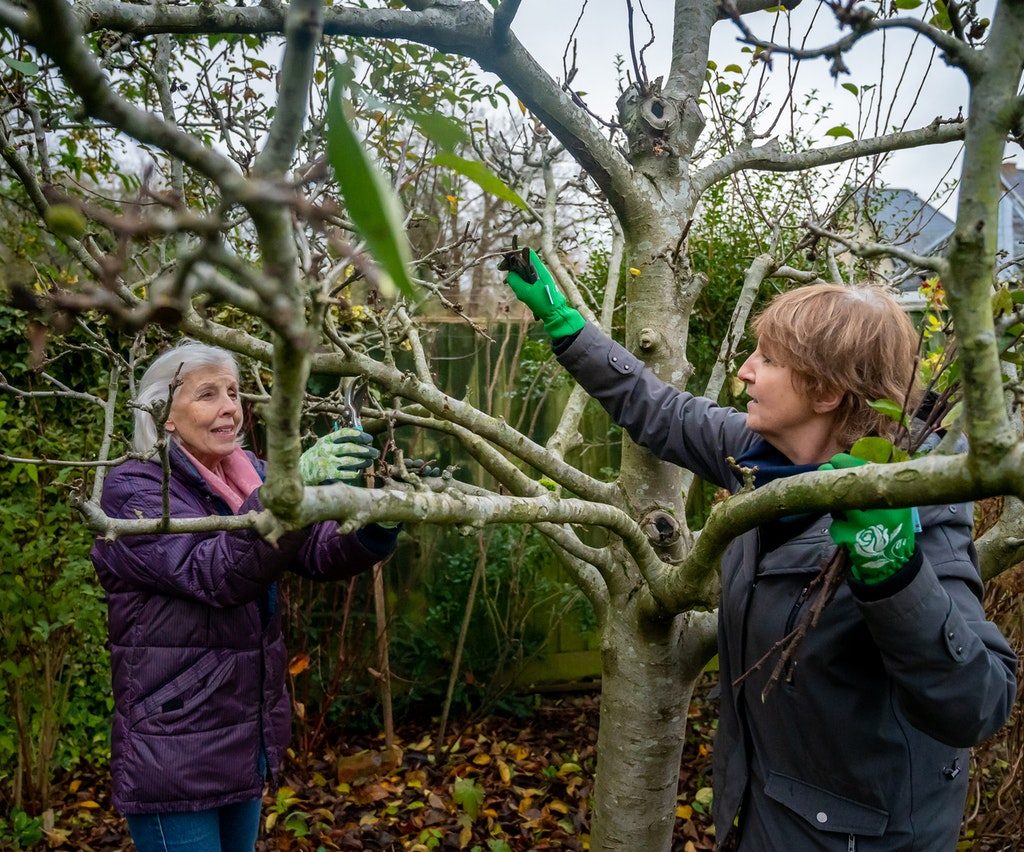
Who sharpens their pruning shears? You should! Dull pruning tools make rough and improper cuts, and this can cause more damage to the tree or plant and make it more susceptible to diseases and pests. So be sure you sharpen your pruning shears every year and disinfect them between each plant. Disinfecting them prevents diseases from transferring from one plant to another — you wouldn’t want your doctor to use the same syringe on you as they did on the last patient!
5. Over-pruning your plants
No matter the plant, there is such a thing as over-pruning. This might look different on different plants, so you’ll want to do some research on what is best for the plant you’re about to prune. For example, when pruning a mature forsythia bush, you can prune all the way down to 4 inches above the soil without harming the plant. However, that same pruning would kill a boxwood. So spend a few minutes before you put on your gloves and head outside to figure out what your plant needs.
When planting your garden and designing your landscaping, it can be easy to forget that plants need more than just water and sunlight. Pruning is an essential part of a healthy plant care routine, but it’s vital to the life of the plant that it’s done correctly. Avoid these common pruning mistakes to prevent accidental damage to your beautiful garden.