While many gardens are planted directly into the ground, some gardeners prefer raised garden beds. These beds come with plenty of benefits, but if you aren’t familiar with them, it can be overwhelming to get started. There are many ways you can set up a raised garden, but which one is right for you? We’ve put together this simple guide to raised bed gardening for beginners to answer all of these questions. If you want to tackle this project or are curious about what it would take, then this is the guide for you.
What are the benefits and drawbacks of raised garden beds?
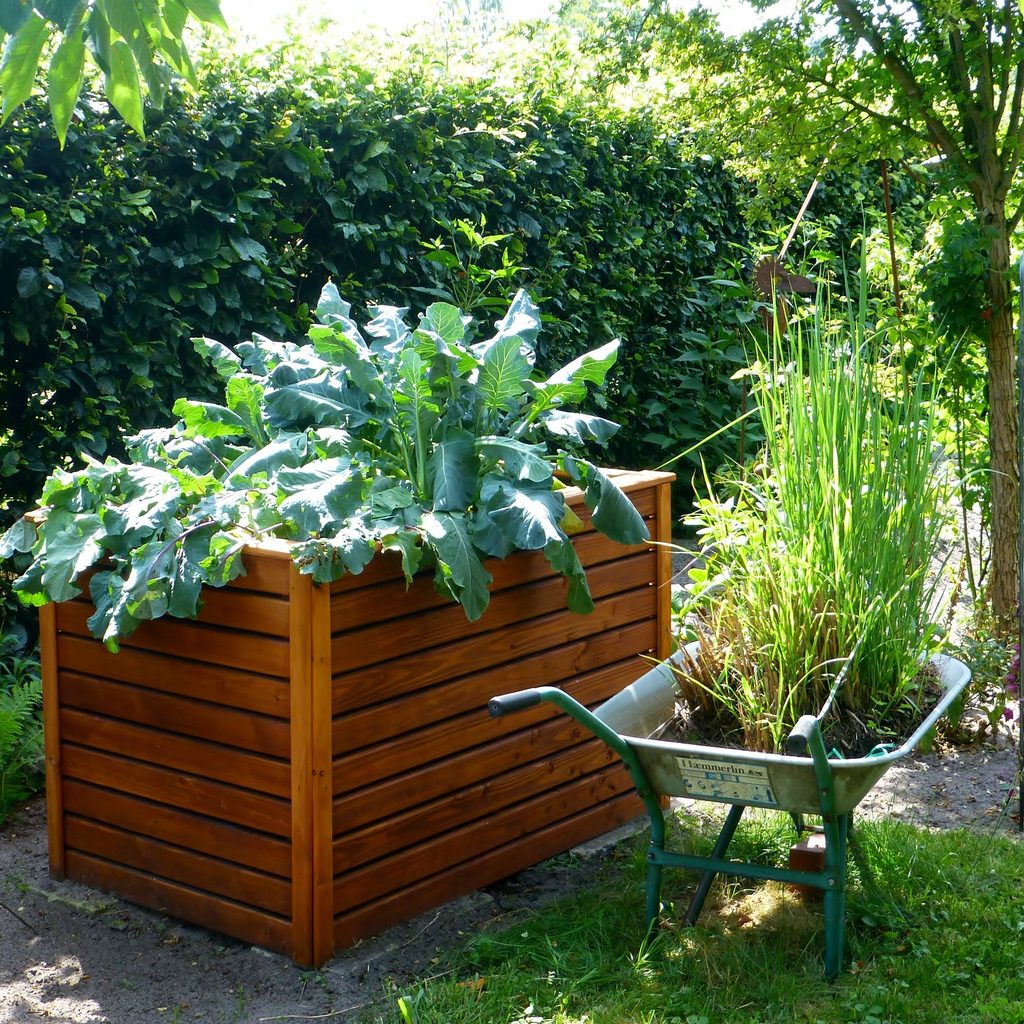
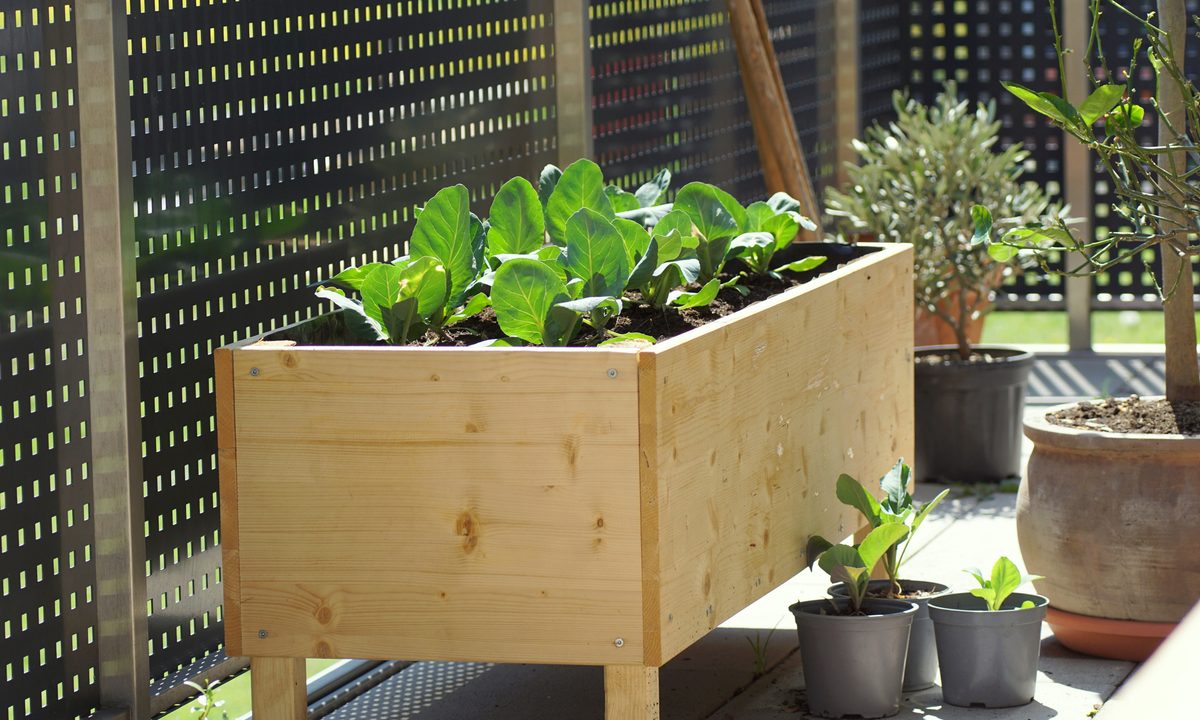
Raised garden beds help conserve space, and they can discourage certain pests from eating your plants. Raised beds can also be used in places where there is no outdoor access, such as an apartment balcony. If your garden has particularly poor drainage, then a raised garden bed is a great solution, as gravity and a looser soil will provide your plants with more even drainage. Raised beds can also be easier for gardeners with mobility issues, as they can for them standing or from a chair rather than kneeling or sitting on the ground.
However, raised beds do come with some drawbacks. Larger plants struggle to grow in the limited space, and plants that spread may become crowded. As with container gardens, the roots of the plants are less protected than they would be in the ground, making them more vulnerable to extreme temperatures. While the drainage is steady, heavy rain can overwhelm the garden bed, leading to flooding. Raised beds with legs could be knocked over by heavy winds or break and fall if the legs are damaged.
Should you DIY or get a pre-made bed?
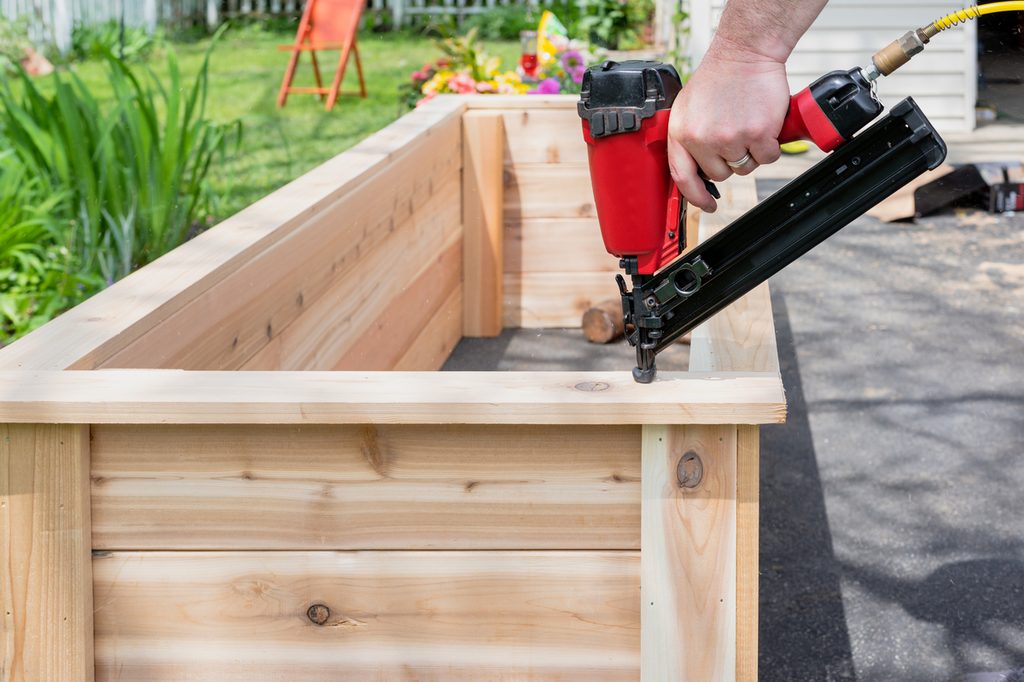
Your plants won’t know whether the raised bed was DIY or pre-made, so this comes down to finding the best option for you. If you already have the tools and enjoy building things, then making your own raised garden bed is a great option. By creating your own, you can customize it to fit your needs perfectly, making it the exact size, height, and shape you want. This option typically takes longer, and you may need to purchase materials or tools that you don’t already have, but it offers more control.
On the other hand, pre-made raised garden beds are easier and quicker to set up. If you don’t already have the tools and supplies to make your own, then a pre-made bed is also usually less expensive as well. The downside is that you’ll need to choose from the available options, and there may not be a bed that is a perfect fit for what you need. However, there are quite a variety of options, so you’ll likely be able to find one that is close, if not perfect.
Starting your raised bed garden
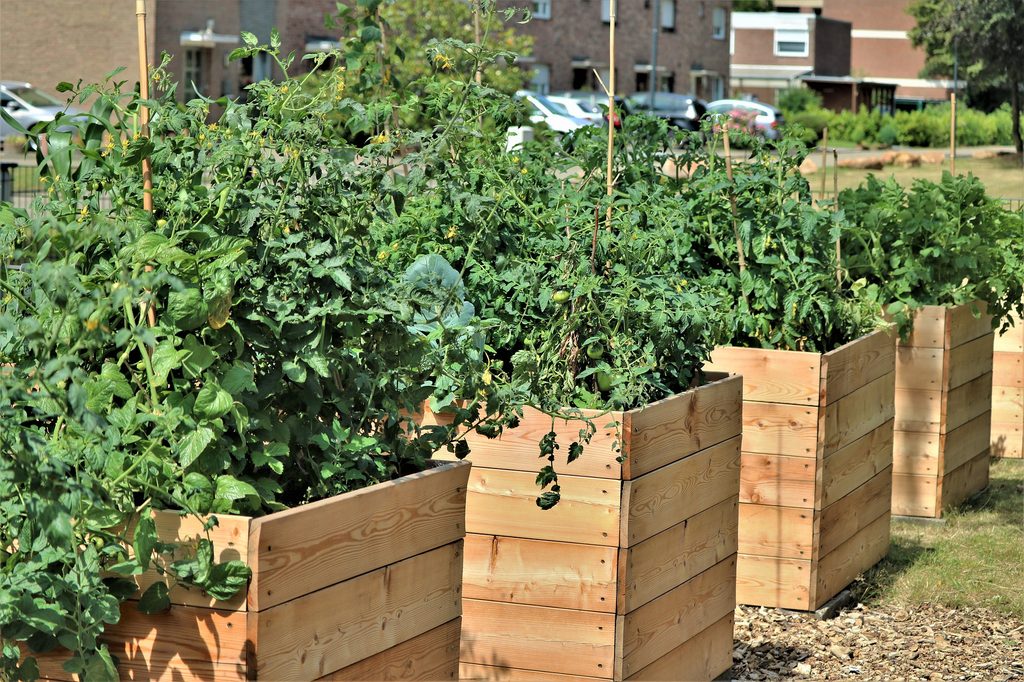
Once you’ve decided if you’ll be making your own or beginning with a pre-made bed, it’s time to start the garden itself. Before adding soil or plants, make sure the bed is stable, sturdy, and fits where you want it to go. Moving it after the garden has been added to it will be more difficult, so do all your arranging now! If your raised bed is on something other than the ground (such as a patio or balcony), you should add something underneath the bed to catch water as it drains, like a drip tray under a flower pot. Note how much sun your raised bed will be getting, as well as how close it is to a water source.
Once your bed is in position, start adding your soil mix to the bed. Basic potting soil will work just fine, but you can alter it by adding compost to the soil. The additional organic matter will improve the drainage and give your plants some extra nutrients. Once your garden is mostly full, add your plants. Pay close attention to the spacing so that all your plants have room to grow. Remember that the plants need room in between them and the walls of the raised bed as well.
Common problems and pitfalls
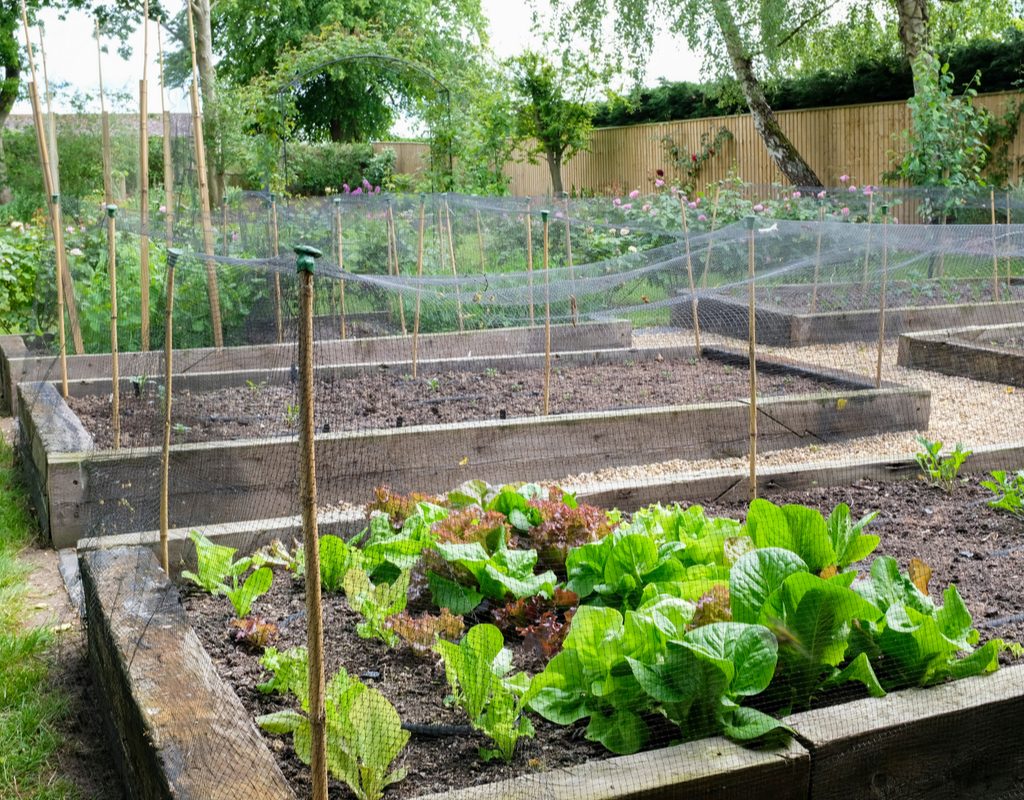
If your plants are struggling, here are a few common problems that might be causing the issue. The first is spacing. If your plants are too close together, are too close to the wall, or are simply incompatible, they can struggle to thrive. Plants with wide or deep roots are not suited to this type of garden, so choose smaller plants with narrow, moderately shallow root systems.
Just like with other gardens, light and water can cause problems for your plants. If your raised bed is in heavy shade, your plants may not be getting enough light. On the other hand, plants that prefer the shade may wilt or burn in full sun. Choose your raised bed’s position carefully and plan your plants accordingly. As for water, plants that prefer extremely wet or dry soil may not enjoy the steady drainage of raised beds.
Hopefully this guide to raised bed gardening for beginners has given you some confidence in starting your own garden. Remember, your garden can be as simple or as complex as you want it to be. There’s no shame in starting off small if you’re still unsure or throwing yourself into the deep end with a more complicated project if you learn better that way.