
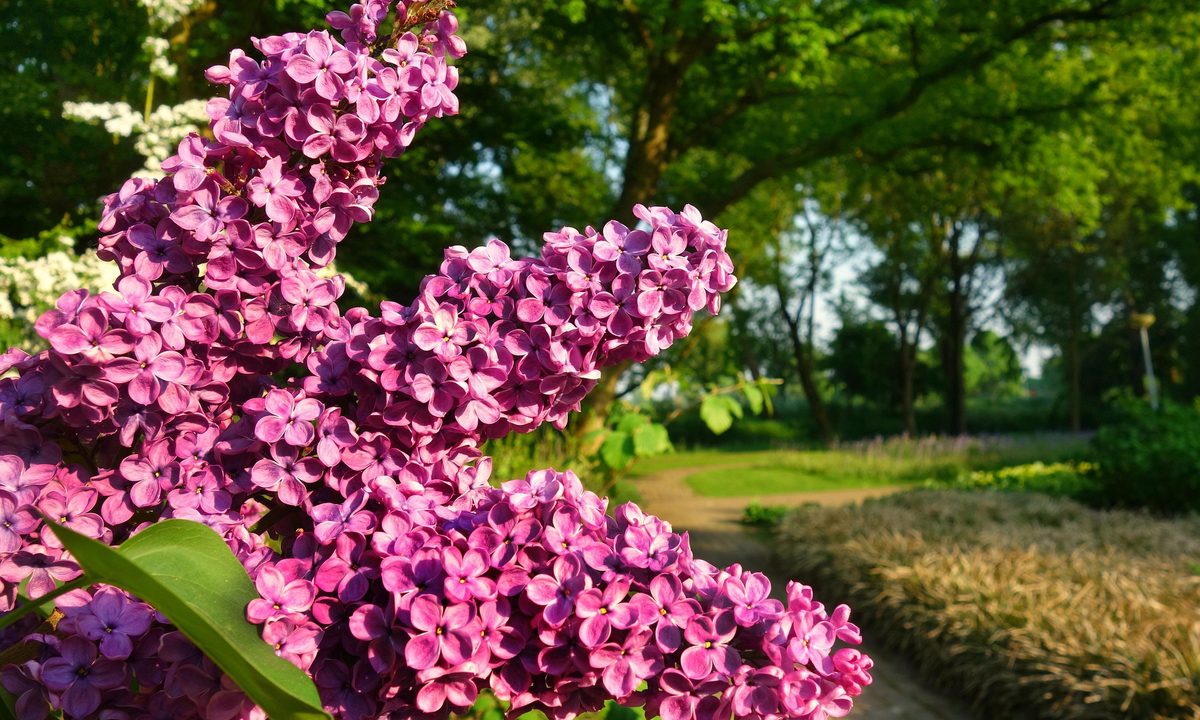
Shrubs fill a unique role in the ecosystem. They provide shelter and food for birds and pollinators in areas where there isn’t enough room for trees, they help prevent erosion with their roots, and it doesn’t hurt that they’re often quite pretty. If you’re looking for a few spring flowering shrubs to add to your garden, you’re in the right place. Whether you want to grow your own hedge or simply fill out a few empty spots in your yard, one of these spring flowering shrubs is sure to be a great fit.
Hydrangea
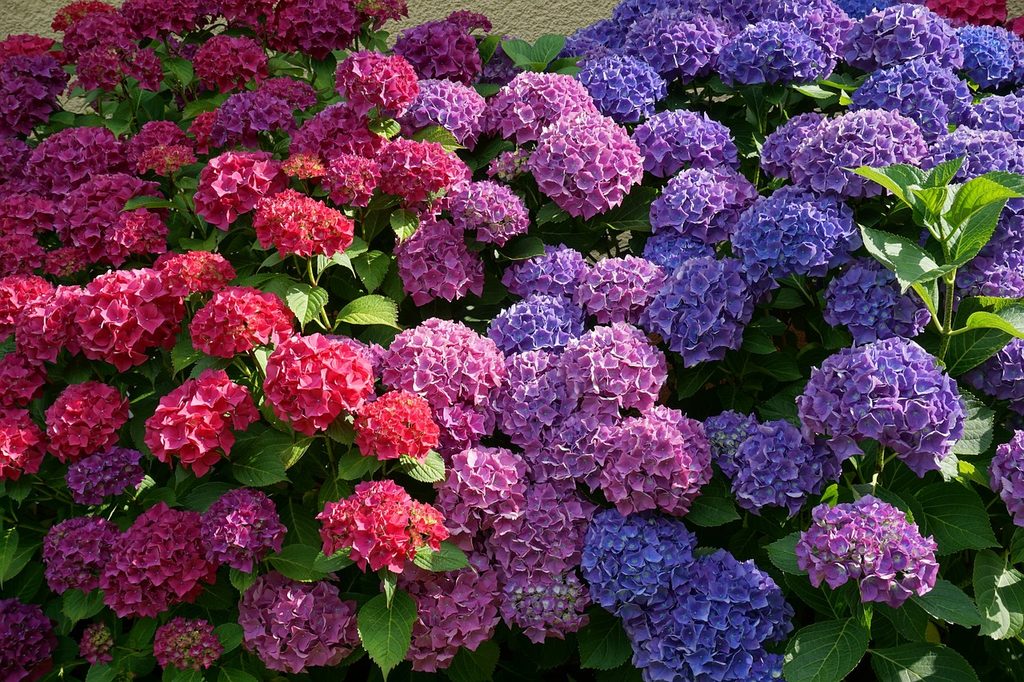
Some of the most popular hydrangea species bloom in summer, like the endless summer hydrangea. However, there are plenty of spring-blooming hydrangeas too. Bigleaf and oakleaf hydrangeas both bloom in early to mid-spring, with oakleaf hydrangeas growing white flowers and bigleaf hydrangeas available in white, blue, pink, and purple.
Plant your hydrangeas in full sun and water them during the summer, especially during hot, dry weather. Spring-blooming hydrangeas grow flowers on old growth, so you should prune them in summer or fall, after they’ve finished blooming. Focus on removing dead or damaged branches and trimming those that are too long.
Azalea
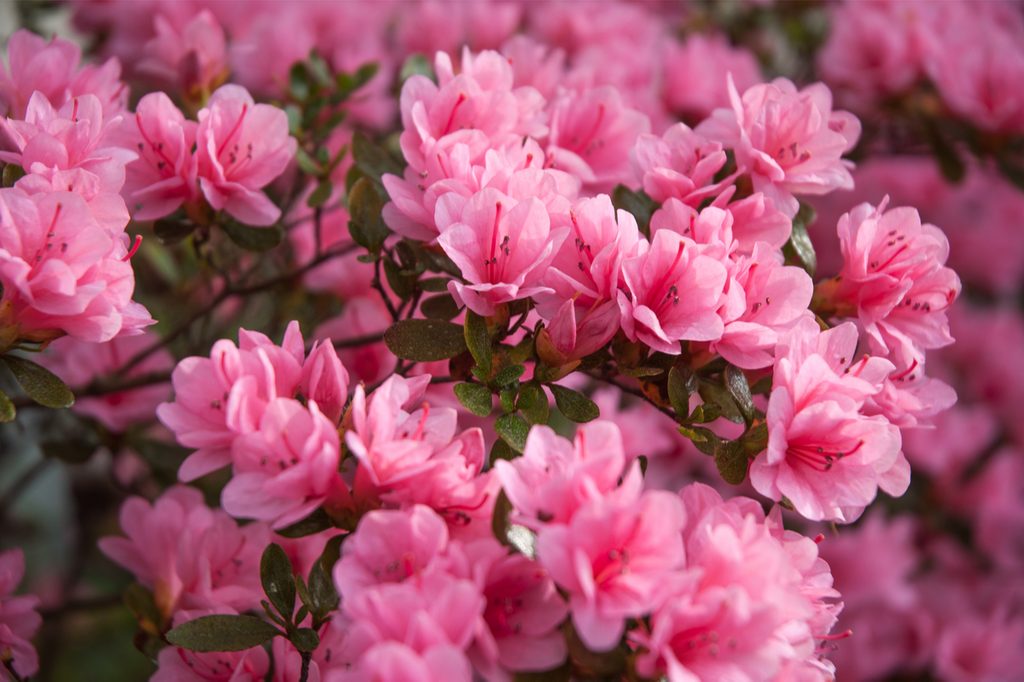
Azaleas, and their larger cousins, rhododendrons, are lovely shrubs that bloom in shades of pink, purple, and white. They can bloom at any time in spring, and you can sometimes predict when they will bloom based on the temperature. Azaleas begin blooming when the temperatures start to warm back up after winter, so you may see azalea flowers as early as February or as late as May.
Azaleas prefer partial or dappled shade and acidic soil, but are generally hardy and can survive in many conditions. They should be watered weekly in hot, dry weather, but otherwise only need occasional watering.
Lilac
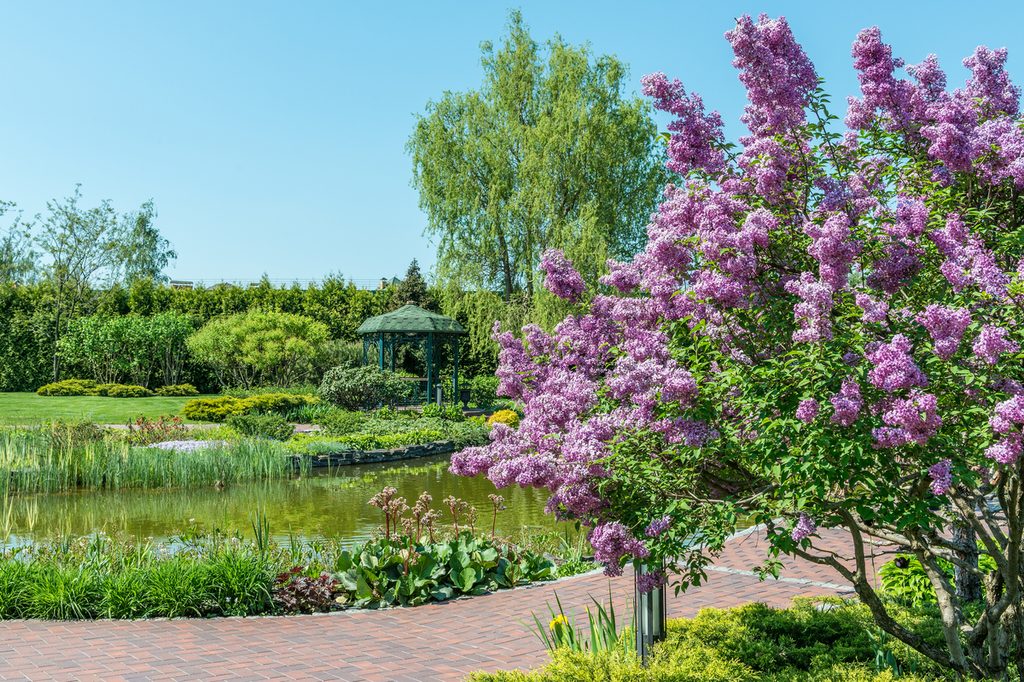
Lilac shrubs are known for their lovely purple flowers and hardy dispositions, making them quite popular to grow as spring flowering shrubs. Despite how stunning their flowers are, lilacs require little care, so they’re a great choice for beginner gardeners who want to grow something impressive.
Plant your lilac shrub in full sun and well-draining soil for the best results. While your lilac is young, it will need regular water, either from you or from the rain. However, once it’s a couple years old, your lilac shrub will be quite drought tolerant. Watering it during prolonged droughts can keep it looking sharp, but it will survive without it.
Forsythia
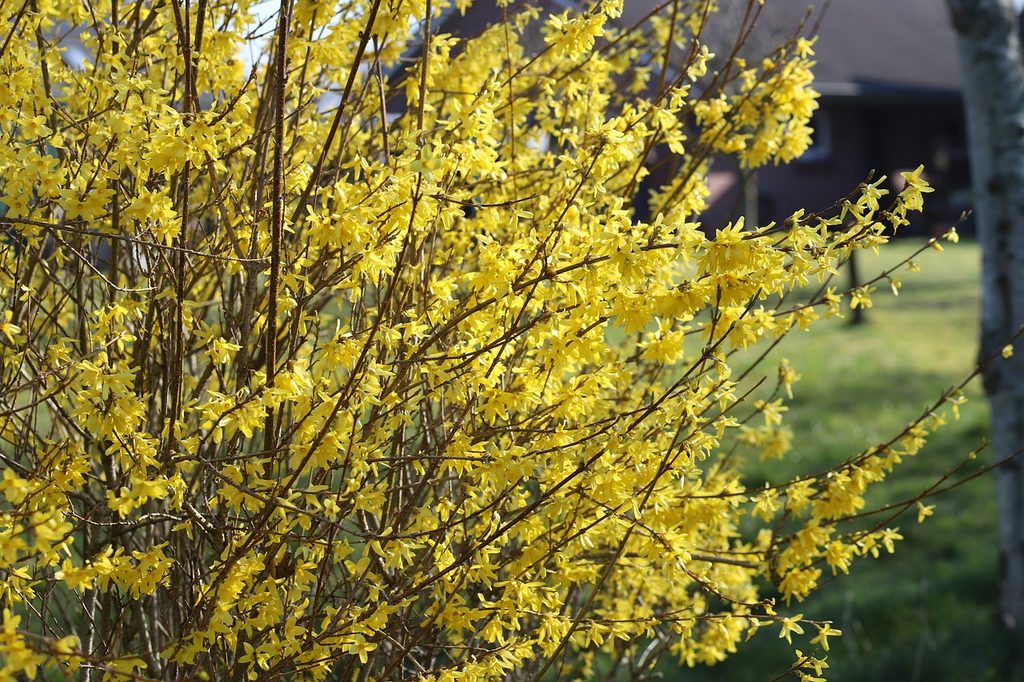
Forsythia shrubs are commonly planted all across the southern U.S. to herald spring with their bright yellow flowers. They are prolific bloomers, often sporting more flowers than leaves in the early days of spring, and they’re quite easy to grow. Forsythias are low-maintenance plants and don’t require much care.
Forsythia bushes prefer full sun, but can tolerate some shade (although you won’t see as many flowers). Plant them in well-draining soil and water them regularly. Pruning is helpful for keeping this shrub from spreading or growing too large, but it is not strictly necessary for the plant’s survival.
Weigela
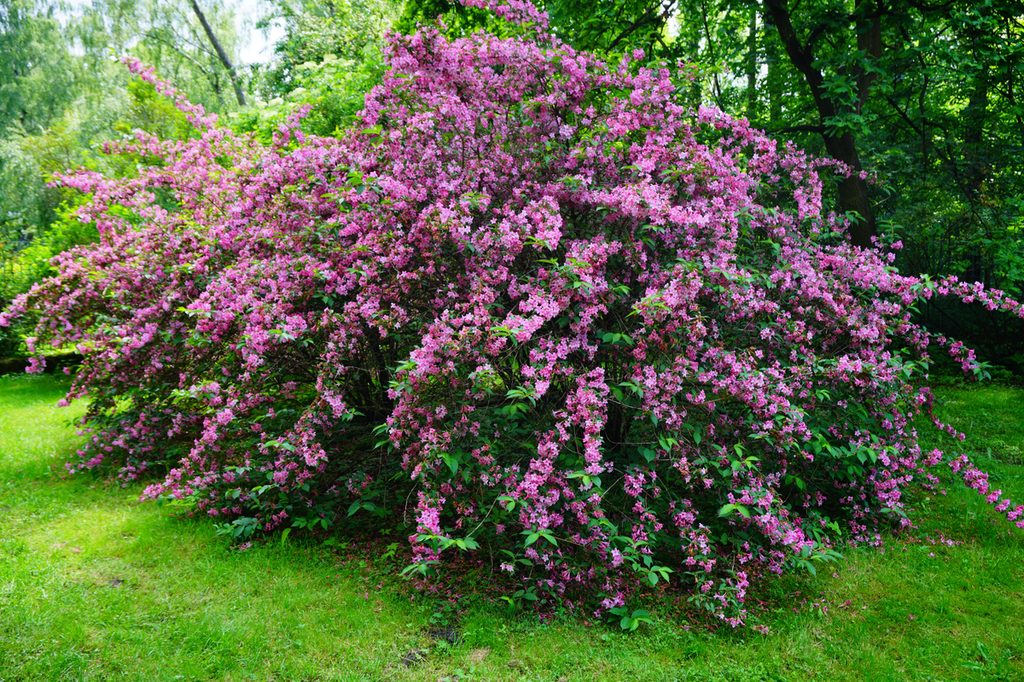
Weigela is another prolific spring flowering shrub, perfect for gardeners who want to maximize the amount of color and flowers they have without taking up too much space. Weigela looks particularly sweet in early spring, when the masses of pink or purple flowers really stand out against the pale green of new leaves.
For the healthiest weigela shrub, plant yours in full sun to partial shade. Well-draining, slightly acidic soil is ideal for these shrubs, and they’ll need to be watered regularly while they’re young. However, once your weigela shrubs are mature, they are quite drought hardy.
Abelia
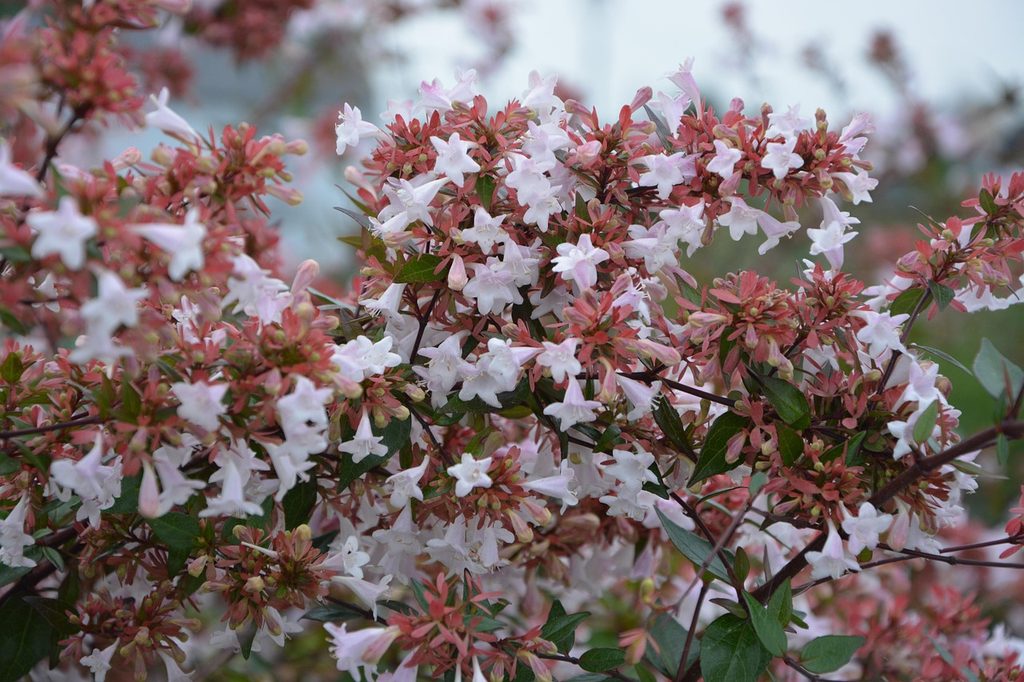
Abelia is a relative of honeysuckle, but you might not guess that from looking at it. This compact shrub has small trumpet-shaped white or pink flowers. Abelia is a great choice for container gardens, especially if you have a small outdoor patio or porch that needs a bit of color.
Plant your abelia shrub in full sun for the best flowers, but don’t worry if you only have morning sun or partial sun, as abelia will tolerate this as well. Young plants will benefit from regular watering, but mature plants are drought tolerant. Those growing in containers need to be watered when the soil is completely dry.
These spring flowering shrubs will help you welcome the season in style! From small and dainty shrubs to larger, more boisterous ones, something on this list is sure to appeal to you. Whether you’re a beginner or an expert, you’ll love these bright and beautiful spring flowers, so why not try planting your own today?