
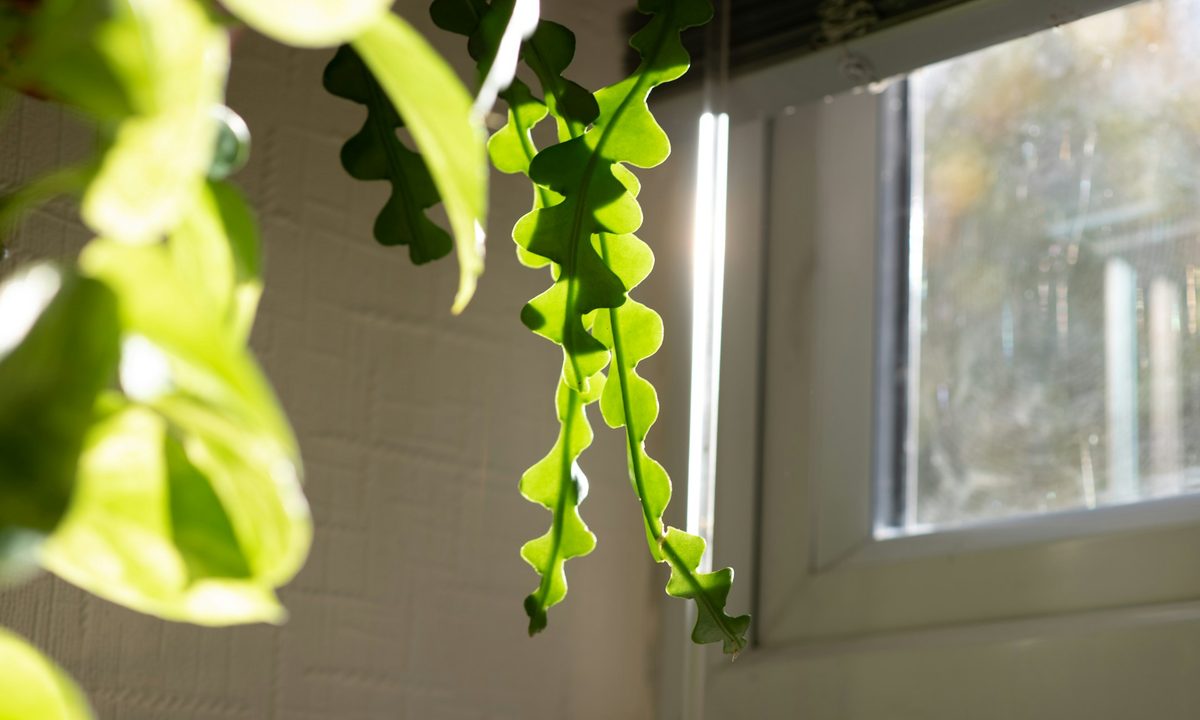
The fishbone cactus (Epiphyllum anguliger) has taken the plant world by storm. It’s long, trailing stems feature a beautiful zigzag pattern, and the leaves are incredibly glossy. Occasionally, this cactus even grows stunning flowers in shades of yellow, pink, or white. Also known as ric rac cactus or orchid cactus (which gives you some insight into the kind of environment this cactus prefers), the fishbone is native to Mexico where it’s often found in groups dangling down from trees.
Perfect for hanging baskets and vertical gardens, smaller plants still look cute in standing pots. All around, this is a lovely plant, no matter what type of display you put it in. Want to get started growing your own? Here’s everything you need to know about fishbone cactus care to keep yours happy!
Does the fishbone cactus grow better indoors or outdoors?
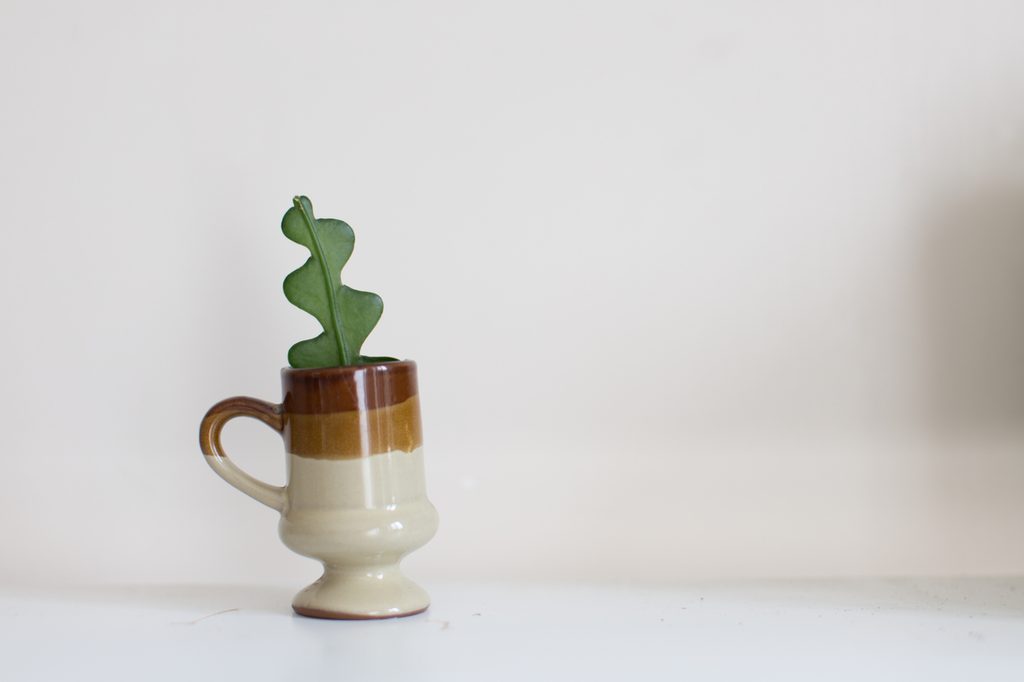
The fishbone cactus, by and large, will thrive best indoors as a houseplant where you can keep it in a controlled environment. Because its native habitat is Mexico, it should only be grown outdoors in similar climates. Everywhere else, it’s best kept indoors year-round; however, if you really want, you can place your fishbone cactus outside for some of spring and summer. Be mindful of the temperature requirements the plant has when doing so, though, because you’d hate to let it get too warm or too cool outside before you have a chance to bring it in again.
Caring for your fishbone cactus
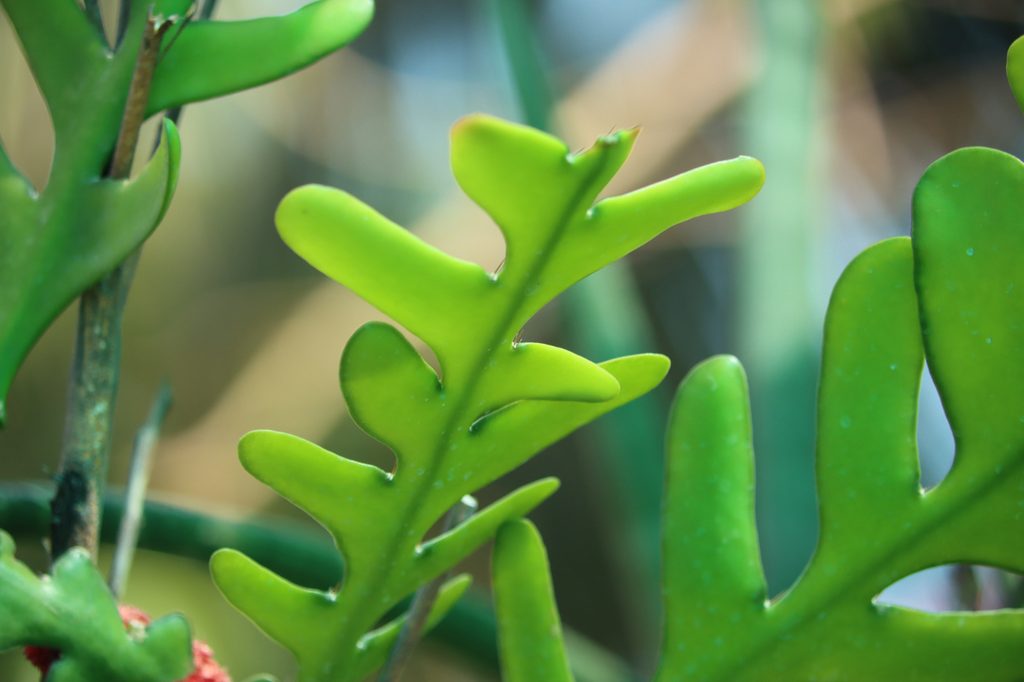
The fishbone cactus is a great option for beginners and experienced houseplant gardeners. Most cacti are easy to care for, but the fishbone has care requirements that are quite simple to maintain. The most complicated aspects of this plant are the humidity and temperature requirements. Because you’re trying to mirror their natural habitat as best as possible, it’s important to choose a location in your home carefully.
Fishbone cacti enjoy a humid environment, like a bathroom with bright indirect lighting or a room with a space humidifier. You can also increase the humidity around the plant with regular, light misting or by placing the plant on a tray of pebbles filled with water. Indoor environments work best for these plants not only because of the high humidity needs but also because they prefer temperatures between 60 and 77 degrees Fahrenheit (though it can tolerate temperatures down to 50 if need be). In an outdoor space, that window can be hard to maintain at a certain point in the year.
For best survival and growth results, consider keeping your fishbone cactus as an indoor-only plant.
Light needs: Lots of bright, indirect lighting
Water needs: Water when soil is dry using the soak-and-dry method
Soil needs: Well-draining soil, such as an orchid- or cactus-specific mix
Common problems to be aware of
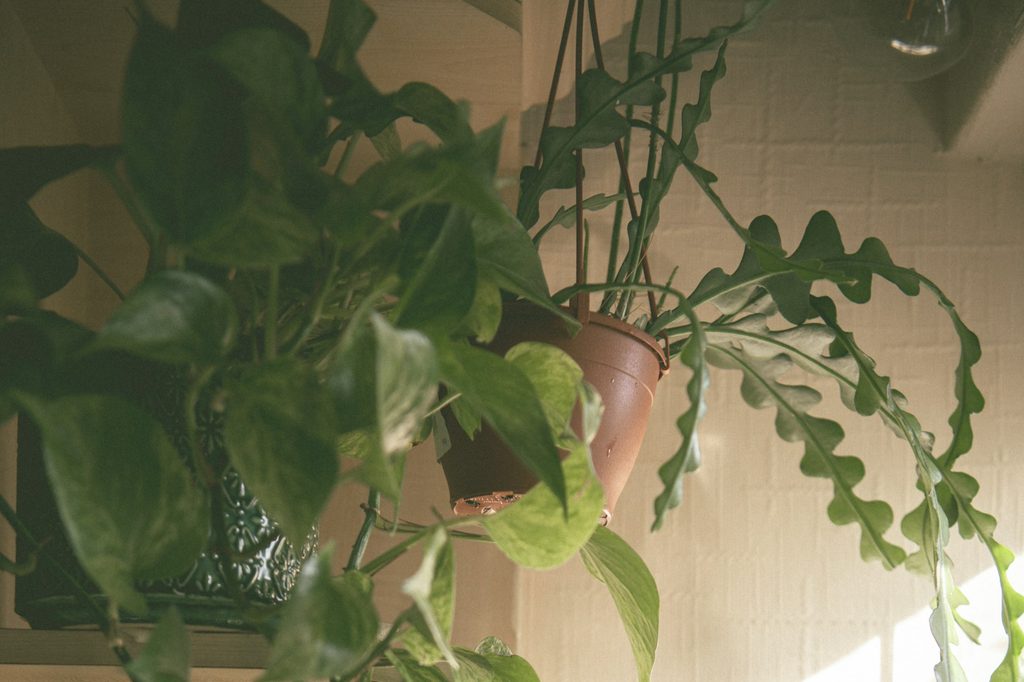
The biggest issue the fishbone cactus can face — and this goes for all cacti and succulents, really — is a lack of water. You don’t want the pot to be overflowing, but you don’t want to leave your fishbone cactus in a period of prolonged drought. If you notice the leaves turning crispy, discolored, or limp, that’s a sign that watering needs to be corrected.
When a watering problem arises, check the soil first. If it’s moist (or worse, saturated), that likely means you’re giving the plant too much water. Repot it in fresh, dry soil and let the roots dry out for a few days before watering again. If the soil is dry, it’s as simple as giving the plant a drink.
Keep an eye out, too, for scale and mealybugs that will infest your fishbone cactus. At the first sign of them, use an insecticidal soap safe for cacti and follow the directions on the bottle to get rid of the problem. Be careful when removing pests from houseplants, as too much of the insecticidal soap can have adverse effects.
Can the fishbone cactus be propagated?
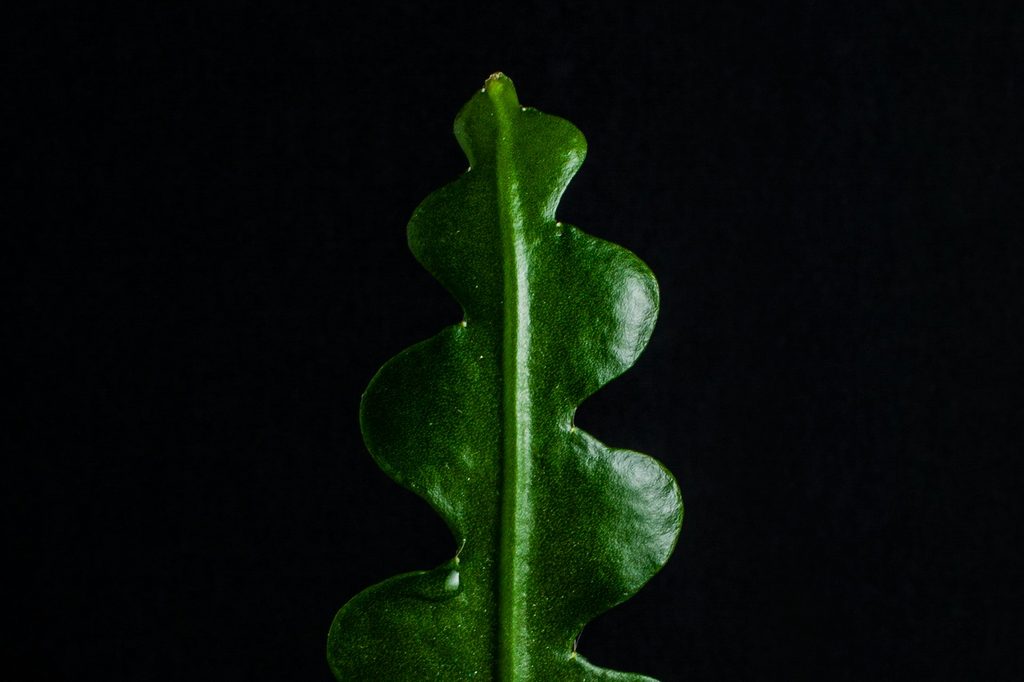
When you want to grow more fishbone cacti, whether for yourself or to give away to friends and family, you can propagate them. The fishbone cactus can be propagated, similar to other succulents and cacti that have leaves; however, because the leaves and stems are all one piece on this plant, you’ll have to snip the section off yourself instead of removing the leaf where it attaches to the stem.
Take a sterilized pair of shears or scissors and snip the leaf for however big you want the cutting. We don’t recommend making it too large, as taking away giant chunks of any plant at once causes stress and harms growth. Allow the cutting to callous over, then place the cut end into soil or water to help roots grow. When placing in soil, make sure it’s kept moist so that the roots can be healthy and strong.
Encouraging your fishbone cactus to bloom
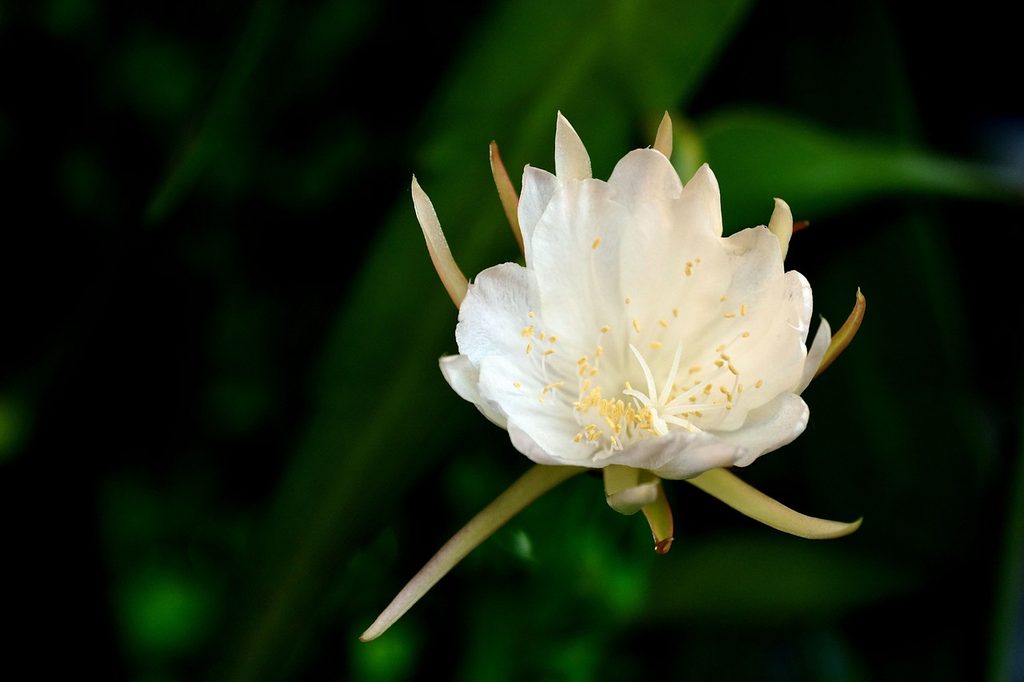
This cousin of the night-blooming cereus grows lovely flowers, but some gardeners struggle to get their fishbone to bloom. The key elements are patience and proper fishbone cactus care. Patience is important, as these plants won’t bloom until they’re mature. A healthy fishbone cactus will be mature after three years, but some cacti grow a little slower than others, so don’t panic if you hit the three-year mark and haven’t seen any buds yet!
Be sure your fishbone cactus is getting plenty of indirect or filtered light and is in a room with good humidity. Finally, these plants need a cool winter season in order to bloom. While you shouldn’t expose your fishbone cactus to cold weather, they need a slight (but noticeable) drop in temperature in order to bloom. You can also apply a potassium-rich fertilizer in spring to encourage flowering.
The fishbone cactus is a unique plant that many see online nowadays, especially from plant lovers and enthusiasts. Although they have a strange, charming appearance that makes them appear hard to care for, as long as you mimic their natural habitat, keeping a fishbone cactus alive is one of the easiest things you can do.


