  1. Home
  2. Indoor plants
  3. How tos

Plant of the week: Aeschynanthus ‘Rasta’ – aka the curly lipstick plant

How to grow and care for a curly lipstick plant

Lipstick plant
Image used with permission by copyright holder

Many houseplants struggle to bloom indoors for a variety of reasons. As plant enthusiasts, it can be refreshing and exciting to bring home a new plant and see it flower. If this is something you’re interested in, we recommend trying our plant of the week: the Aeschynanthus or curly lipstick plant. Here we’ll talk about all the things you need to know to grow this stunning, flowering plant successfully.

Recommended Videos

Difficulty

Easy

Duration

1 hour

What You Need

  • Moisture meter

  • Balanced fertilizer

  • Humidifier

  • Garden shears or scissors

  • Pot with drainage holes

  • Drip tray

  • Well-draining soil

A lipstick plant in a hanging basket
Image used with permission by copyright holder

What is the Aeschynanthus?

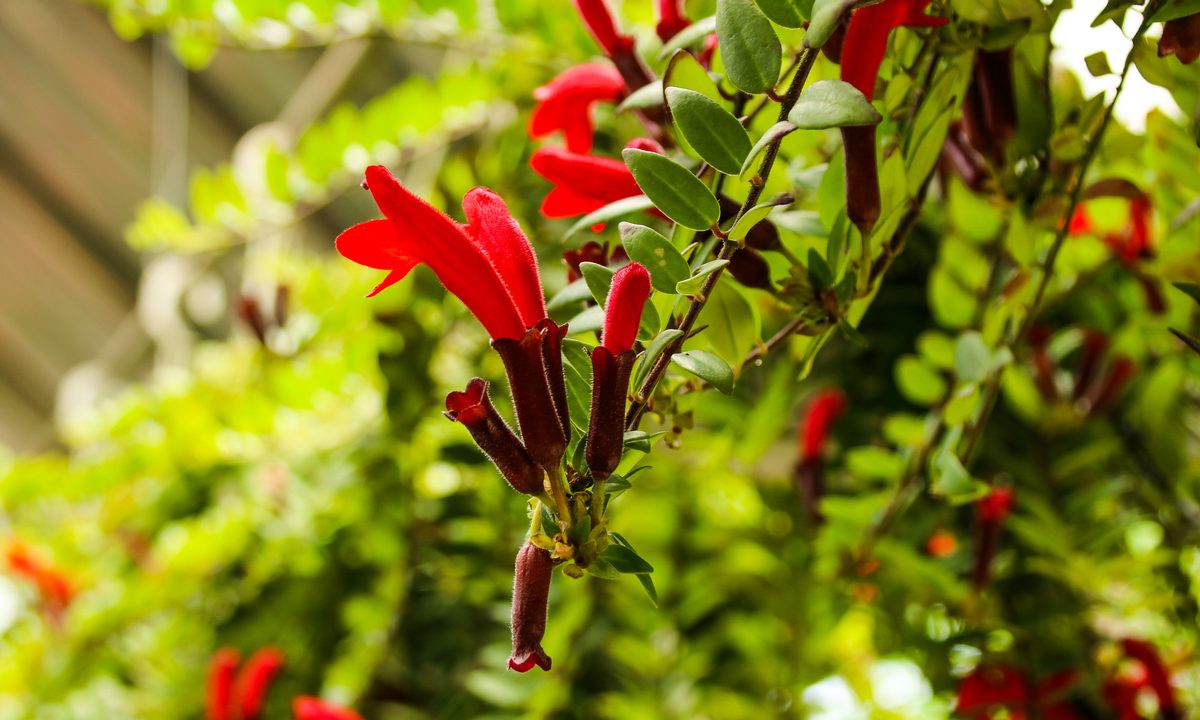
The Aeschynanthus, otherwise known as the curly lipstick plant, is an evergreen houseplant that blooms year-round. Native to Southeast Asia, this plant gets its nickname from the shape of its red flowers that resemble a tube of lipstick.

While they aren’t a vine, they grow similarly, with the flowers clustering around the waxy and pointy leaves. This growth pattern makes them ideal for hanging baskets or draping down the side of furniture. Although you’ll be able to enjoy flowers from this plant nearly all year round, you won’t get much in the way of fragrance. These plants don’t have a strong scent, which is probably for the best. Most gardeners report that the little scent they do have is not pleasant!

When cared for properly, they can grow up to 3 feet tall. Even though they’re native to tropical environments, they aren’t hard to care for and are even considered beginner-friendly.

Lipstick flowers
Image used with permission by copyright holder

Care tips for aeschynanthus

Since these are beginner-friendly plants, their care isn’t complicated. However, it’s always nice to have a clear idea of what a plant needs so you can be sure it lives a long and happy life in your home. Here's what you need to do:

Step 1: Keep the soil moist and do not let it dry out completely between waterings.

Step 2: Invest in a moisture meter or use your finger to test for dry soil.

If the top 2 or 3 inches of soil are dry, it's time to water your plant. A moisture meter will give you more accurate readings of your soil's dryness, which can be particularly helpful if you often overwater or underwater your houseplants.

Step 3: Soak the soil thoroughly when watering, but make sure the excess water can drain freely.

Typically, this is accomplished by lifting the pot out of the drip tray, watering it, letting it drain some, then placing it back in the tray. If your curly lipstick plant is in a hanging basket, you may not need to move it to water it, depending on what is below the basket. In a traditional garden, all you need to do is make sure your soil is well-draining.

Step 4: Place your plant in bright, indirect light.

Lipstick plants are sensitive to direct light, and their leaves can burn. While they will tolerate some shade, you'll see fewer flowers. Bright, indirect light is ideal for your plant's health and flower production.

Step 5: Feed your aeschynanthus monthly with a balanced fertilizer throughout the growing season, tapering off through the colder months.

Step 6: Keep the temperatures around your plant above 50 degrees Fahrenheit.

Step 7: Avoid exposing your lipstick plant to drastic changes in temperature.

This means keeping them away from drafty windows, heaters or ac units, or any type of ventilation.

Step 8: Invest in a humidifier if your aeschynanthus's leaves begin to look dry or cracked.

The average home's humidity is fine for lipstick plants, but if your home runs on the drier side, it can become an issue.

Step 9: Prune overly long or leggy branches with a sharp, clean pair of garden shears or scissors.

The lipstick plant is a stunning draping plant that will look great in any collection. We love the pop of red it brings to a space, and its easy care makes it even more appealing. Use these tips to grow an aeschynanthus in your home successfully!

Which palms thrive indoors? Find the best types for your home
Bring the tropics to your house with these palm trees
Small palm tree with fan shaped leaves in a gray pot on a windowsill

Palm trees evoke images of sunny beaches, warm days, and stress-free relaxation. You can bring a little of that into your home with a lovely indoors palm tree. While not every palm tree is a good fit for indoor spaces, due to either size or care requirements, there are several smaller palm trees that can thrive indoors. If you want to add one to your collection, then you're in the right place! Here are four house palm tree types you can start growing today, and how to keep them happy and healthy.
Parlor palm

The parlor palm is an excellent indoor palm. It’s mid-sized, with a mature height between two and six feet tall. It enjoys bright, indirect light, making it an excellent choice for rooms that are moderately well lit. It can tolerate some shade, but direct sunlight can result in sunburnt leaves. The parlor palm likes moderate watering, and is sensitive to overwatering, so make sure the soil is able to dry out between waterings.

Read more
Bear paw succulent care: Keep this cute plant healthy and happy
Care tips for the cute and cuddly bear paw succulent
A small bear paw succulent in a pink pot by a window

Succulents are popular for many reasons, and each succulent has its own unique look and vibe to offer your home. If the look you're after is cute and sweet, then look no further than the bear paw succulent. This fuzzy plant has round leaves that end in small points, making them look like little bear paws. If you want to bring this cuddly looking plant into your home (and why wouldn’t you?), then you’ll need to know how to care for it. Here’s what you need to do.

Read more
How to start calla lily seeds and grow beautiful blooms
From sprouting to transplanting, here's your guide to growing calla lilies from seed
Hand touching calla bloom

Calla lilies are beautiful flowers that come in a variety of colors, including white, yellow, purple, and pink. The blooms rest on elegant trumpet-shaped stems, and when they’re spent, they leave behind seed pods. However, the seedlings are most often propagated through the bulbs instead of the seeds. Growing calla lilies from bulbs is fairly simple, but what if all you have are calla lily seeds? Luckily, growing calla lilies from seeds isn't terribly tricky, especially if you know what to do. This calla lily growing guide will explain everything you need to know to get started.
Where to get calla lily seeds

If you’re looking to grow calla lilies from seeds without an existing plant, you can always purchase seed pods from reputable catalogs, nurseries, or other growers. If you already have a calla lily, you can collect a mature seed pod from a spent flower. Calla lily seed pods each contain at least one or two seeds. Keep in mind that the seed pod itself can take a few months to mature, so you should leave it attached to the plant and wait to harvest it until after it’s matured.

Read more