
Coconut soil, or coco soil, as it’s often called, hasn’t been around for very long, but its history goes back only a few decades. In a relatively short amount of time, it’s gone from a niche product to a popular trend among gardeners who need a highly efficient growing medium.
There are myriad benefits waiting for the gardener who chooses to use coconut soil. One of the most attractive benefits is that coco soil and coco coir are considered to be entirely renewable and sustainable.
In this article, we’ll go over what coconut soil is along with the medium’s background, uses, and benefits for your garden. Let’s jump in!
What is coconut soil?
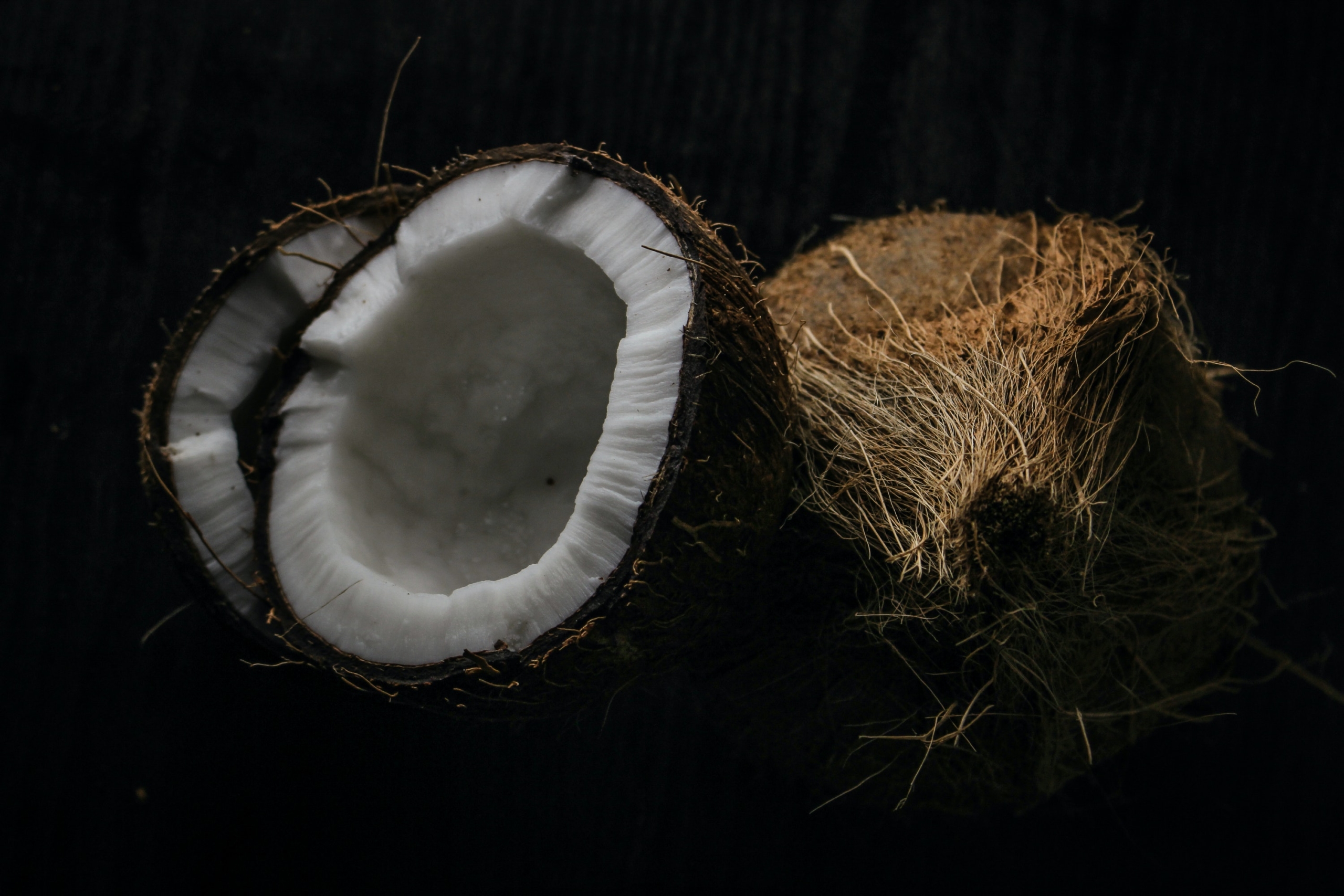
Traditionally, coconut husks were considered waste products after their milk and meat had been harvested. Essentially, the entire shell of the coconut was trash. Then someone got the bright idea that coconut husks could have various applications in home products and gardening.
All the material between the coconut seed’s outer coating and the shell is called coconut coir, which consists of white or brown fibers. White coco coir is flexible but not too strong, and it comes from coconuts that aren’t ripe yet. Brown fibers come from ripe, mature coconuts, which are less flexible but much stronger.
How is coconut soil made?
Before coconut coir can be used in a garden, it has to be processed extensively. The brown and white fibers mentioned above have to be removed by soaking the husk in water. This softens and loosens the fibers. Depending on the manufacturer, the husks are soaked either in freshwater or tidal water.
Coconut fibers soak up a lot of water and retain it for a long time. Gardeners need to find out what kind of water the coco coir they buy has been soaked in before using it around plants. This is because all the salt from tidal water soaking will be retained in the coconut fibers. If that’s the case, all that salt will have to be flushed out. Many manufacturers do this as part of the process.
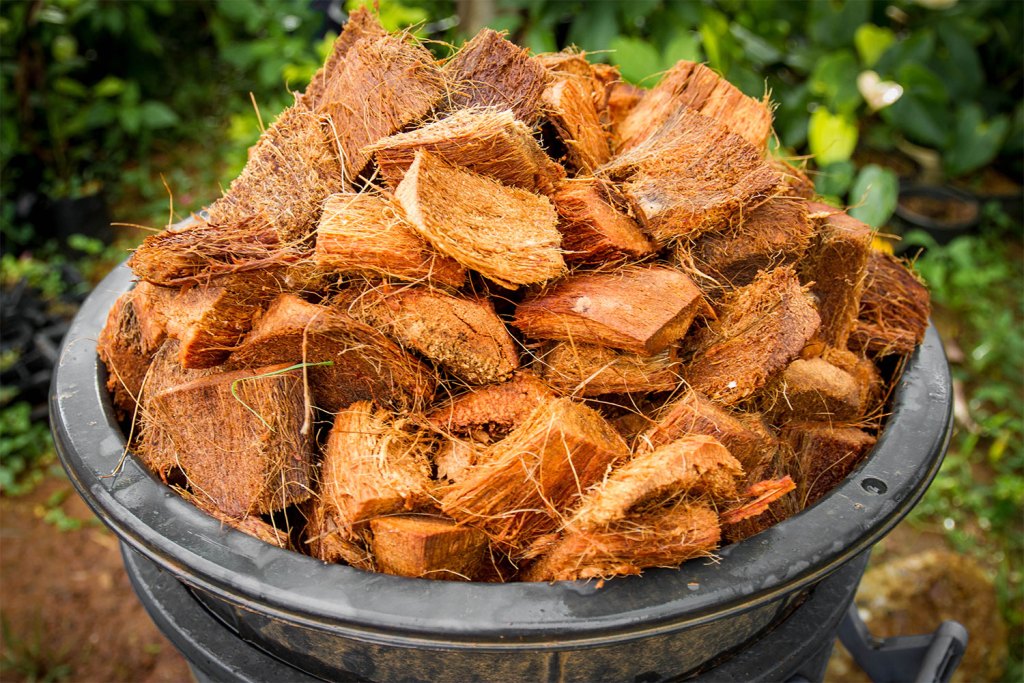
Once the fibers have been taken out of the water, they’re left to dry for a year or more. After it dries, it’s then turned into bales, similar to how hay is baled. Manufacturers then chop those bales and process them further into a variety of forms and sizes. In this case, the bales are progressively chopped and refined into dry fibers, chips, “croutons,” and ground coco coir, which looks like dark soil. That’s where the “coconut soil” term comes from.
What are the benefits of coconut soil?
Because coconut soil looks so much like regular gardening soil, it’s possible to have a hydroponic garden that looks just about the same as the soil garden you’re used to. The difference is that you’d have to make sure to water your coco garden with water that’s been enhanced with nutrients. (A downside to coconut soil is that it has zero nutrients of its own, unlike regular soil.)
The upside is that coconut soil retains moisture like nobody’s business. In fact, it’s incredibly effective at water retention and can take in up to 10 times its weight in water. This means the roots of your plants won’t ever become dehydrated. Additionally, your plant’s roots will have a lot of growing media to work through, which means coconut soil is perfect for promoting healthy roots.
Another benefit to coco gardening is that bugs don’t like it. It can, therefore, be used to help manage pests.
Coconut soil is sustainable. Many gardeners swear by peat moss, but that medium has some environmental concerns. Peat bogs take over a thousand years to form and therefore can’t be considered an immediate, renewable source for growing media. Unlike peat moss, coconut coir can be used more than once, since there is no shortage of coconut trees that don’t take a thousand years to grow.
Finally, if you’ve never undertaken a hydroponic gardening project, using coconut soil might be the perfect place for you to begin. You can learn hydroponic gardening basics without all the maintenance that real hydroponic gardening demands.

What’s coco gardening?
Suppose you’ve chosen to explore using coco coir as a growth medium for your plants. In that case, you’re engaging in coco gardening. As noted above, coconut coir can hold up to 10 times its weight in water, but it can also hold over 1,000 times more oxygen. Its increasing popularity in hydroponic and organic gardening is mainly due to its ability to retain water, as mentioned earlier, and oxygen (and plant nutrients once added).
Gardeners can use coconut soil in their compost, which allows it to become a significant growth medium for those working on urban farms and who do container gardening
If you choose to experiment with coco gardening, bear in mind that you should only use coco coir safe products when it comes to purchasing plant nutrients. Other nutrients that are made specifically for other growth mediums can potentially harm or even kill your plants. (Remember how well coconut soil holds onto anything saturated with water.)
Finally, remember that if you’d like to start your own garden, using coconut soil is a great, environmentally friendly choice!