If you’re looking for a way to add more color to your life and prep for the upcoming spring season, then a few warm, sunny orange plants might be just what you’re after. From dark, burnt oranges to delicate pastels, orange flowers can match any aesthetic sense or style.
Plant them with red and yellow flowers to create a fiery gradient, or mix them with blue flowers for a lively arrangement. Whether it’s creating a border of marigolds or hanging a charming goldfish plant inside, you have a wide range of options when it comes to incorporating orange into your space. For ideas on which plants to use, here are some of the most striking orange garden plants out there.

Marigolds (Tagetes erecta)
Reminiscent of carnations, these crepey orange flowers native to Mexico will add a pop to any yard. Besides their cheerful color, marigolds also draw beneficial ladybugs and bees into your garden. On top of all that, they’re pretty easy to maintain, as they tolerate heat, drought, and transplanting quite well.
In most cases, they are annuals, but they self-sow so you can enjoy them for a long time down the line. Deadheading isn’t necessary, but it does help blooms continue to grow throughout the summer.
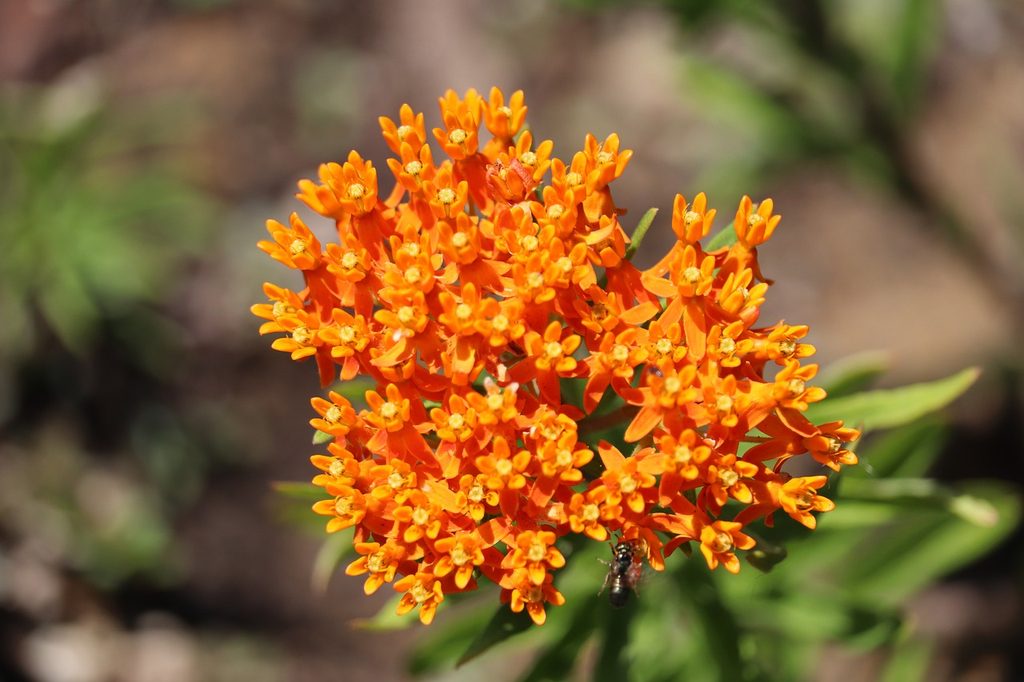
Butterfly weeds (Asclepias tuberosa)
Butterfly weeds are what they’re called because they attract butterflies and produce lots of nectar. Technically milkweeds, these flowers feature glossy green leaves and bloom clusters that can be orange or yellow. They grow well in most places, perennial to zones 3 through 9.
These bushy, low-maintenance plants prefer 6 or more hours of full sun a day and can grow in containers, too. Remember to keep them away from pets and children because butterfly weeds are toxic when consumed.
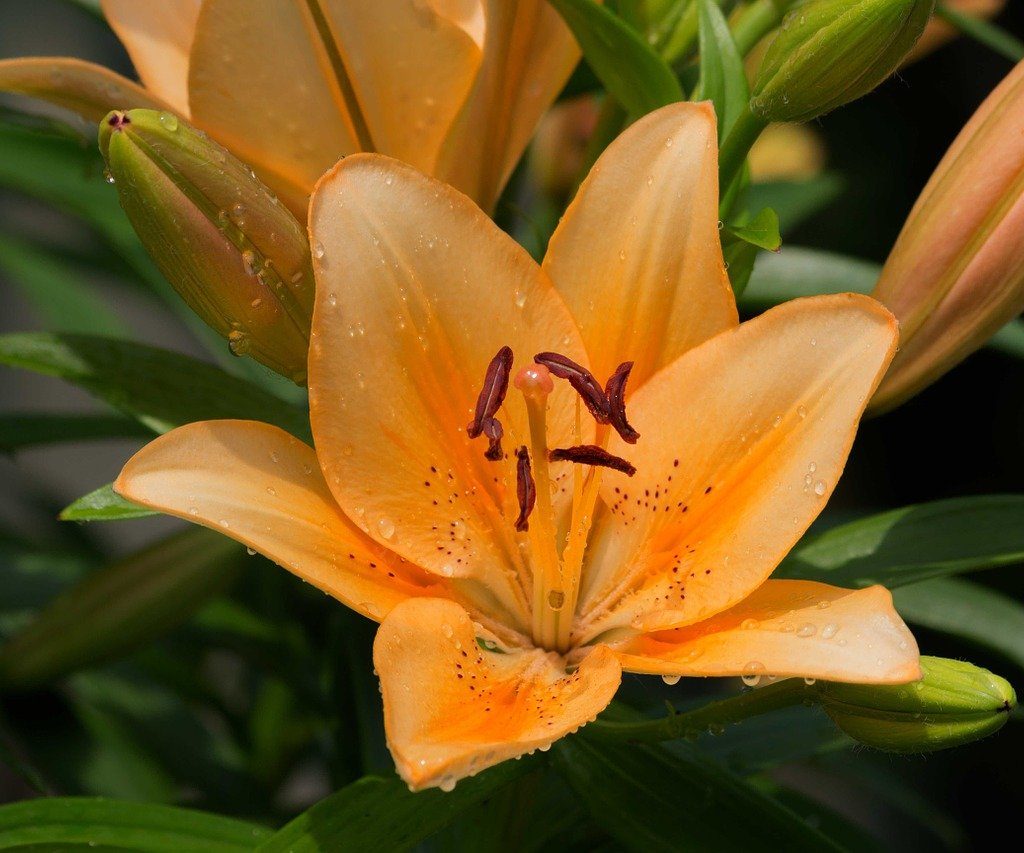
Daylilies (Hemerocallis fulva)
Available in many colors, including a lovely light or deep orange, daylilies are hardy flowers that thrive in zones 4 through 9. Predominantly from Asia, these flowers can survive rough conditions, including drought and poor soil. They also do well in shade or full sun, although they will produce more flowers in full sun.
You can plant them bareroot into the ground in early spring or pop them inside a container at any point during the growing season. As with many blooms, they attract butterflies — but they don’t attract pests.
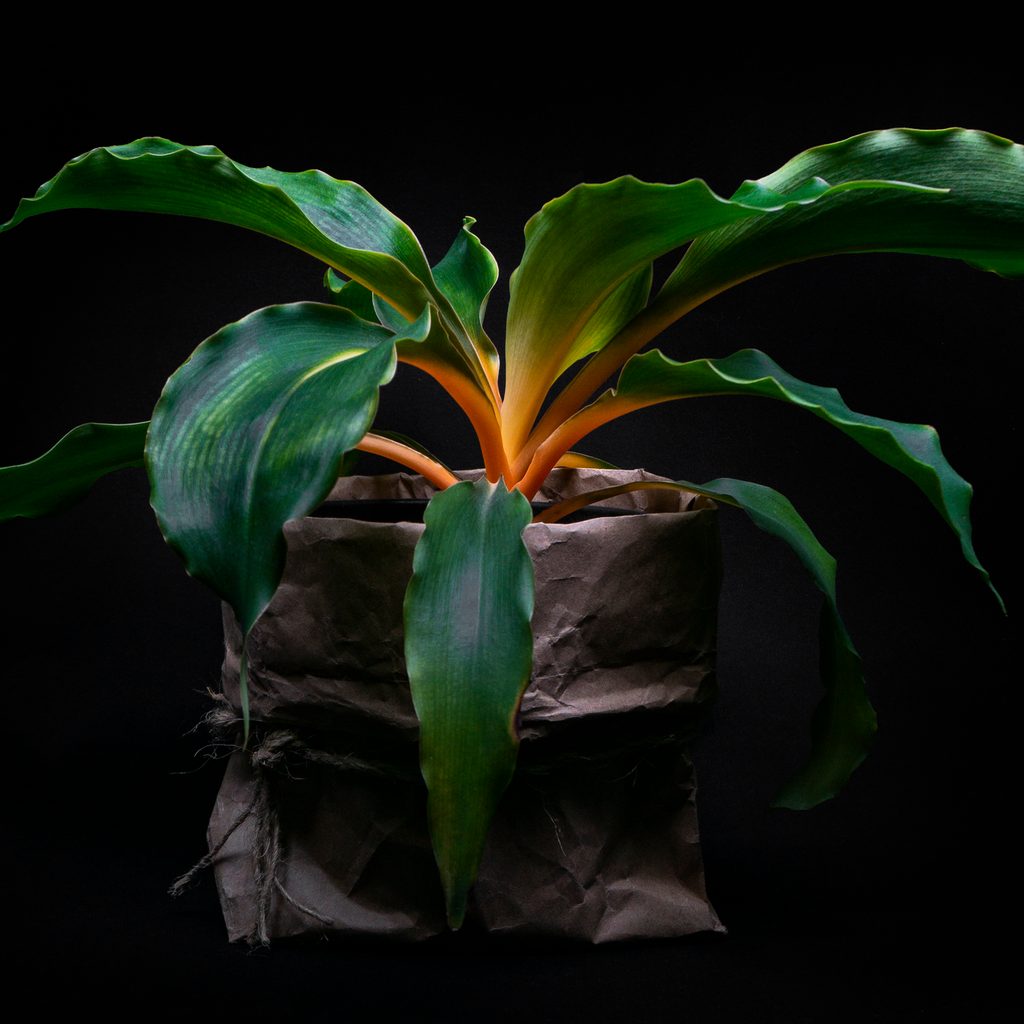
Orange spider plant (Chlorophytum amaniense)
Technically a cousin to the spider plant, this striking plant, which also goes by the name of “mandarin plant,” features bright orange stems and petioles along with vibrant green leaves. When you look at it from the base and up, it almost looks like it’s glowing.
Mostly an easygoing plant, it does best in bright indirect light with consistent fertilizing throughout the growing season. Note that it is sensitive to tip burn, which can be caused by direct light or hard water. If you leave it outside (and you can do so in zones 9 through 11), give it shade. On the latter issue, you can water it with filtered water or tap water that’s been left out for a day.
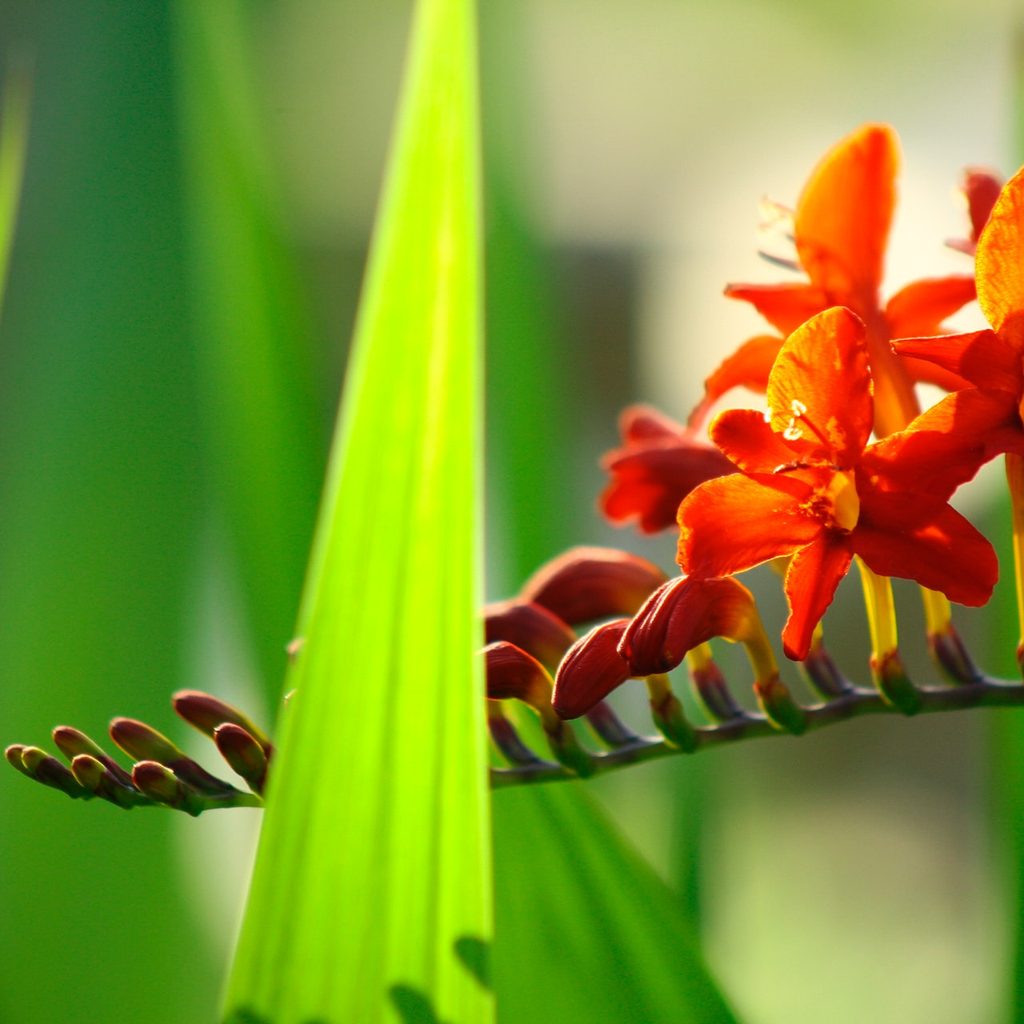
Coppertips (Crocosmia)
Native to South Africa, coppertips feature rows of gorgeous tubular scarlet orange blooms on their branches. They only need adequate watering and well-draining soil; their main requirement is bright, full sun to produce striking flowers. They have a pretty late start in that you should begin growing them when other flowers are just about to bloom in late spring.
Summer is their time to shine: They enjoy full sun even with the heat and even if it comes with mugginess or drought in hot weather. Best of all, their flowers attract beneficial pollinators such as hummingbirds and butterflies. However, they won’t attract deer or rabbits if your garden is prone to those critters.
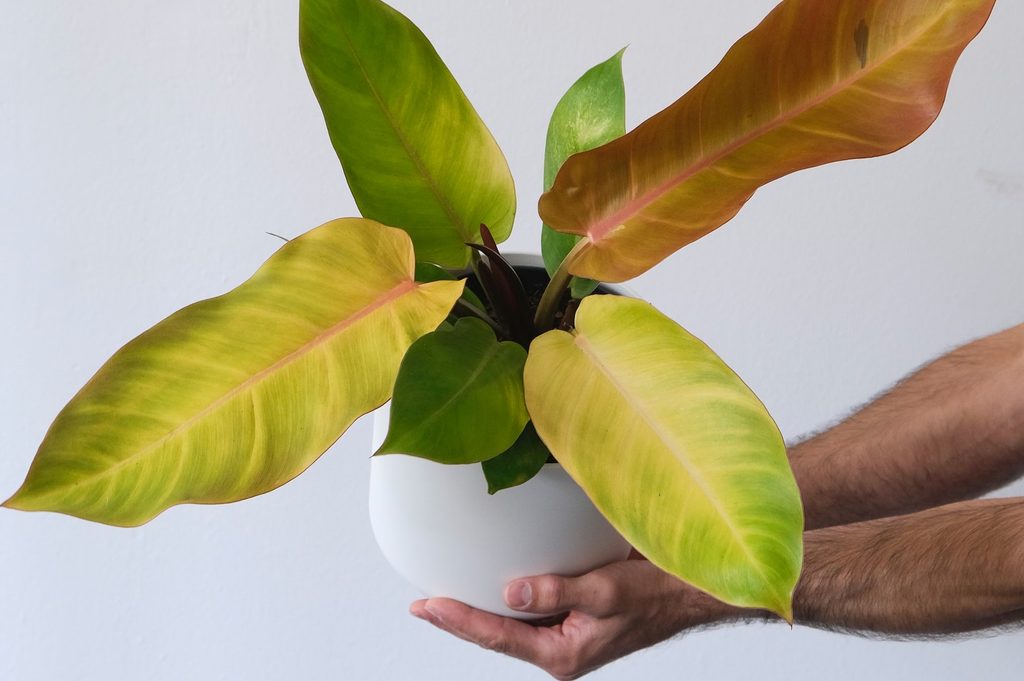
Prince of Orange philodendron
The Prince of Orange philodendron is a stunning tropical houseplant that features bright orange leaves that go from yellow to green as they mature. Often, all three colors appear in one plant. This tree philodendron is easy to keep inside the house — it only needs loose, well-draining soil and water when the soil dries out. Bright indirect light will also help it maintain its color scheme.
Those who live in zone 10 or higher can keep the Prince of Orange as an outdoor plant all year round, but it does perfectly well as a houseplant elsewhere. As this is a self-heading variety that only grows up to 2 feet wide, you won’t need to worry about pruning it.
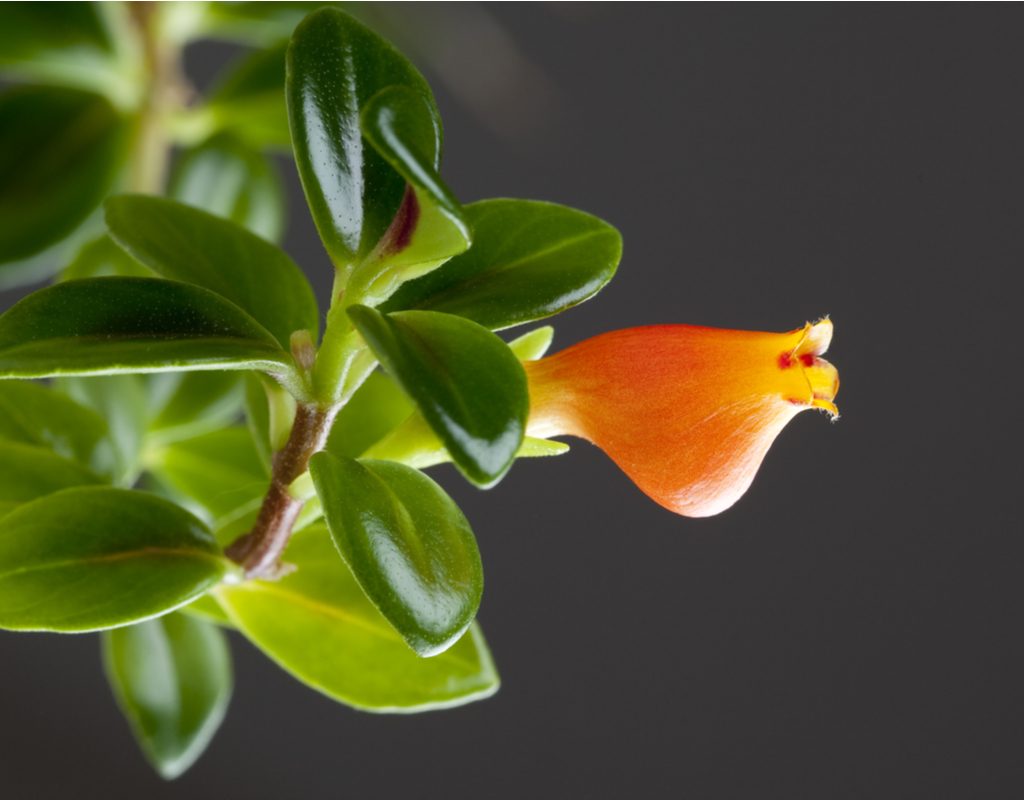
Goldfish plant (Nematanthus gregarious)
Coming from Central and South America, the goldfish plant features striking red-orange blooms that resemble its namesake. Even when not in bloom, its glossy, trailing dark green leaves are a sight to behold and perfect for hanging baskets.
They do well in bright indirect light with well-draining soil. While they enjoy a good soak in the spring and summer, cut back on watering in the wintertime. Though perennial in zones 10 and 11, these tropical houseplants don’t need a lot of warmth — they do best at room temperature and may struggle with too much heat.
Get started on warming up your garden with orange now. There’s no need to maintain a citrus tree — simply bring in an orange flower border or hang an orange plant on your patio. Throughout the year, orange will add a rich, welcoming color to your outdoor landscape.