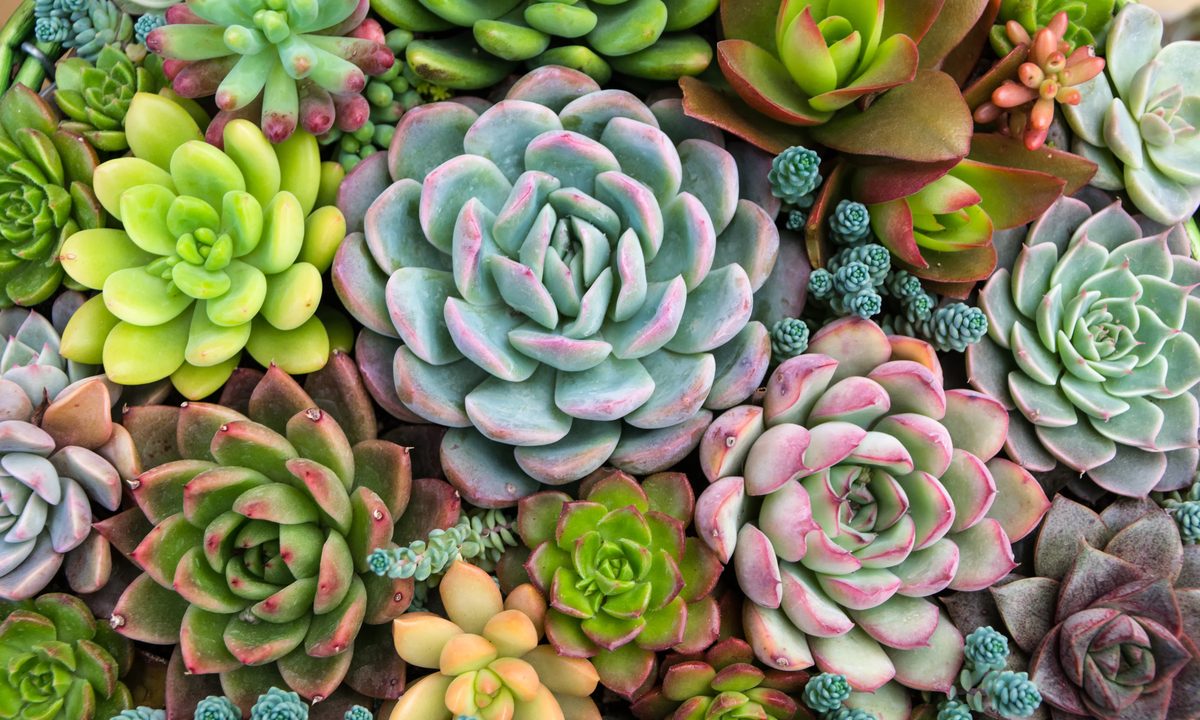
Not every plant is well suited for every location, and if you live in a hot, dry region, then you may have learned that the hard way. In addition to the various shrubs that can grow in these conditions, there are also succulents. These types of plants are popular for their low-maintenance care and relatively small size, but they present other benefits as well.
They make an excellent choice for living walls and come in a wide range of shapes and colors that fit well with most landscapes. Here's what you need to know about how to make a succulent garden — use these tips and tricks to build the best arrangement for your space.
What is a succulent?
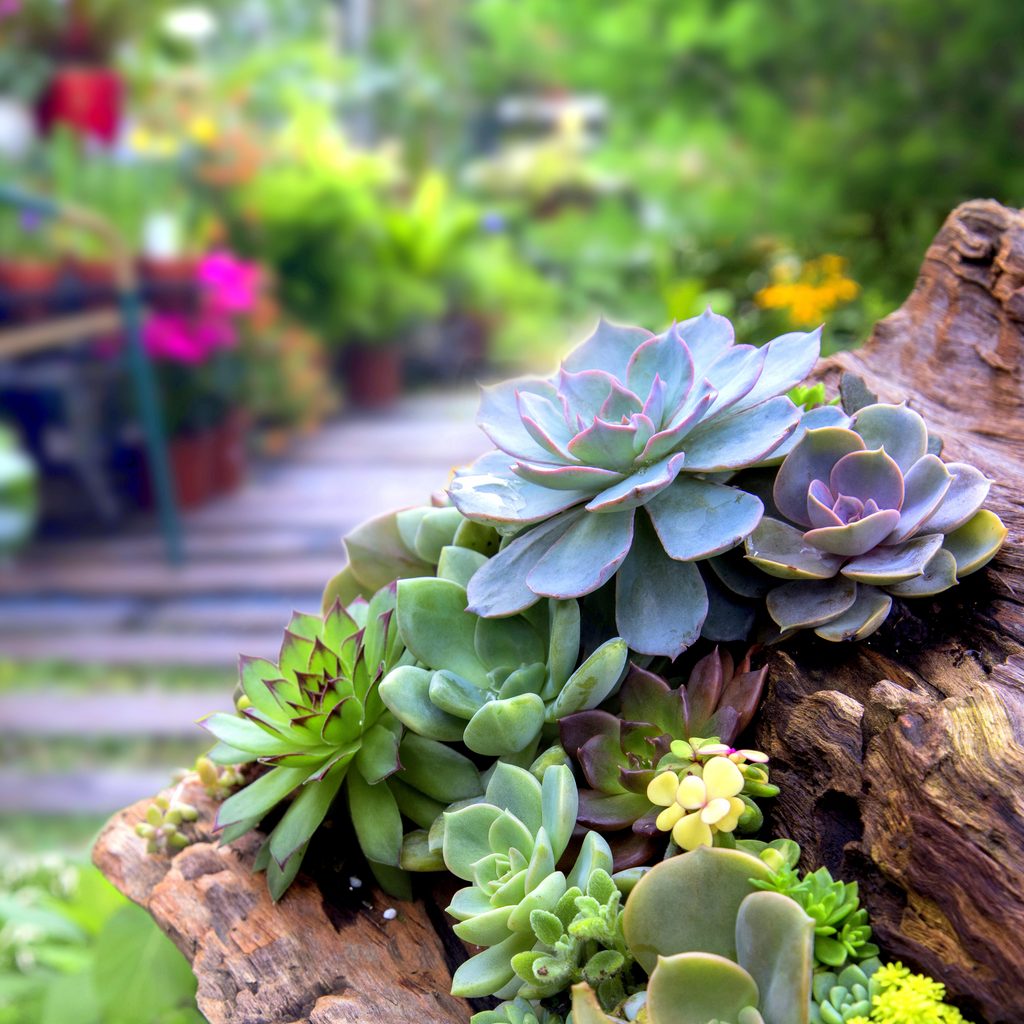
Succulents are a category made up of many plants in a wide range of species, families, and orders. The category is defined by thick, fleshy leaves or stems used for storing water. Since they're characterized by this ability to store water, succulents are drought-tolerant plants. Most succulents are native to Africa and Central, South, and North America.
If you think succulents sound a lot like cacti, you’re right! Most cacti are also succulents, but cacti make up only a small portion of succulents. Cacti are plants in the Cacatae family, which is one of the many families that fall into the category of succulents. However, you may have noticed not all cacti are labeled as succulents in stores or nurseries. Cacti that are larger or have pronounced spines are often not referred to as succulents. This is mostly due to perception and not any true botanical differences.
So how do you start a vibrant, low-maintenance succulent garden? Here's some foolproof advice to help you kick things off.

Start with small plants or cuttings
You can grow succulents from seeds or starter plants. Between seeds and starters, it's easiest to begin with starter plants. Succulent seeds tend to be quite small, which makes it a possibility they will wash or blow away in the wind or rain.
There is also a wide range of germination times, depending on the type of succulent. Some succulents germinate and begin to grow in only a few weeks, while others can take a month or more. If you plan to grow many of the same kinds of succulents in your succulent garden, then growing them from seed may be the most cost-effective option.
When choosing starter plants, look for healthy plants. Keep an eye out for thin or weak plants, unusual spots or blemishes, or succulents that have decorations from artificial materials, like paint or fake flowers. Avoid these plants, and choose ones with thick, firm leaves and stems, and a nice, even coloration.
And, of course, many succulents can begin growing from cuttings, but not all of them can. Check your individual plant’s species for further guidance before taking a cutting. We recommend designating an area in your garden to propagate your cuttings, separate from your arrangements of established plants. Here's how to create more succulents with cuttings.
Step 1: Gently twist off a fleshy leaf from a grown succulent.
Step 2: Allow the wound to form a callus in about one to three days.
Step 3: Place cuttings on top of your soil and water the soil when the soil dries out.
Use a sandy, gritty succulent soil
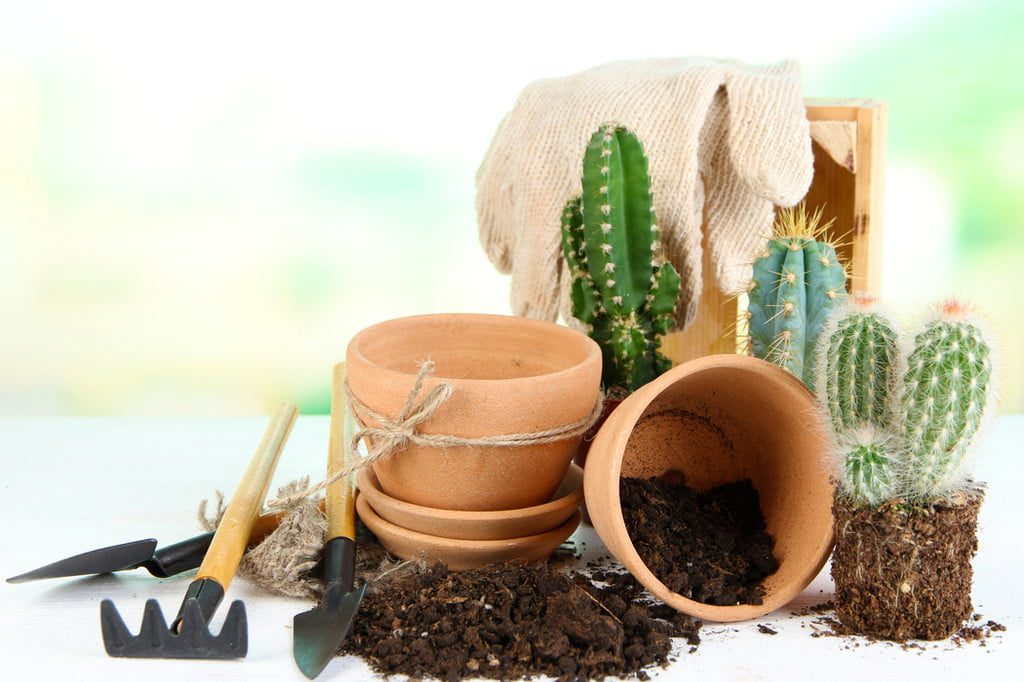
You want to plant your succulents in well-draining soil and let the soil dry before watering them again. Usually, you can find succulent and cactus mix ready to go at nurseries, but you can also make your own. Here's how to DIY succulent soil.
Step 1: Measure out three parts potting mix, two parts sand, and one part perlite into a container. It's OK to guestimate and adjust as needed.
Step 2: Take your hands or use a trowel or spoon to mix everything together.
Step 3: When planting your succulents, make sure not to use a container that's too deep, as succulent roots are shallow and can rot if the growing medium is overly wet.

Upcycle different containers for displaying your succulents
Terracotta planters are probably one of the most basic succulent pots, but don't feel limited to them. With succulents, you can use all kinds of containers to display your plants — in fact, you can even reuse old teapots, shoes, and bowls. Just make sure to give your succulents plenty of drainage if you have a particularly big container.
Step 1: Clean out your display container of choice with soap and water.
Step 2: Line the interior with coco coir.
Step 3: Use rocks, pebbles, or broken terracotta bits to create extra drainage.
Step 4: Fill your container with succulent soil.
Step 5: Plant your succulents.

Give your plants plenty of sun — but don't scorch them
Most succulents prefer partial to full sun and warmer weather. When growing succulents outdoors in a succulent garden bed, you may see some damage or death during winter, depending on your climate zone. Planting more cold-hardy succulents, such as echeveria, can help. Covering them can protect them from frost or snow during winter.
Step 1: Find a location in your landscape where you get partial to full sun throughout the day.
Step 2: Place your succulents in that location.
Step 3: If you have your plants in a container, move your succulents as the weather changes. Give your plants afternoon shade when the weather is too hot, or bring them inside when it's too cold.

Water succulents consistently during the hottest days (but water them properly)
Since they’re adapted to conserve water, succulents are drought-tolerant plants that are easy to overwater. Plant them in well-draining soil and let the soil dry before watering them again. If the leaves of your succulents are fuzzy, such as a bear’s paw or woolly rose, avoid getting their leaves wet as much as possible. Here's how to water your succulent garden.
Step 1: Check to see if your plants need watering — your container will feel light, the soil will be bone dry, and your succulent leaves may even look wrinkly.
Step 2: Water the soil deeply, taking care to avoid the leaves. If you're worried about overwatering, you can also try bottom watering by placing your container in a tub of water and waiting for water to reach the top of the soil.
Occasionally check for pests
Some small insects, such as aphids and spider mites, can become a pest for succulents, so make sure to inspect the soil and leaves every so often. Luckily, succulents are hardy, and it's relatively easy to get rid of pesky visitors.
Step 1: Check how big the pest issue is. If the problem is small, then use compressed air to disturb the bugs away from your plants.
Step 2: If you have a big pest infestation, treat your plants with insecticidal soap or neem oil.
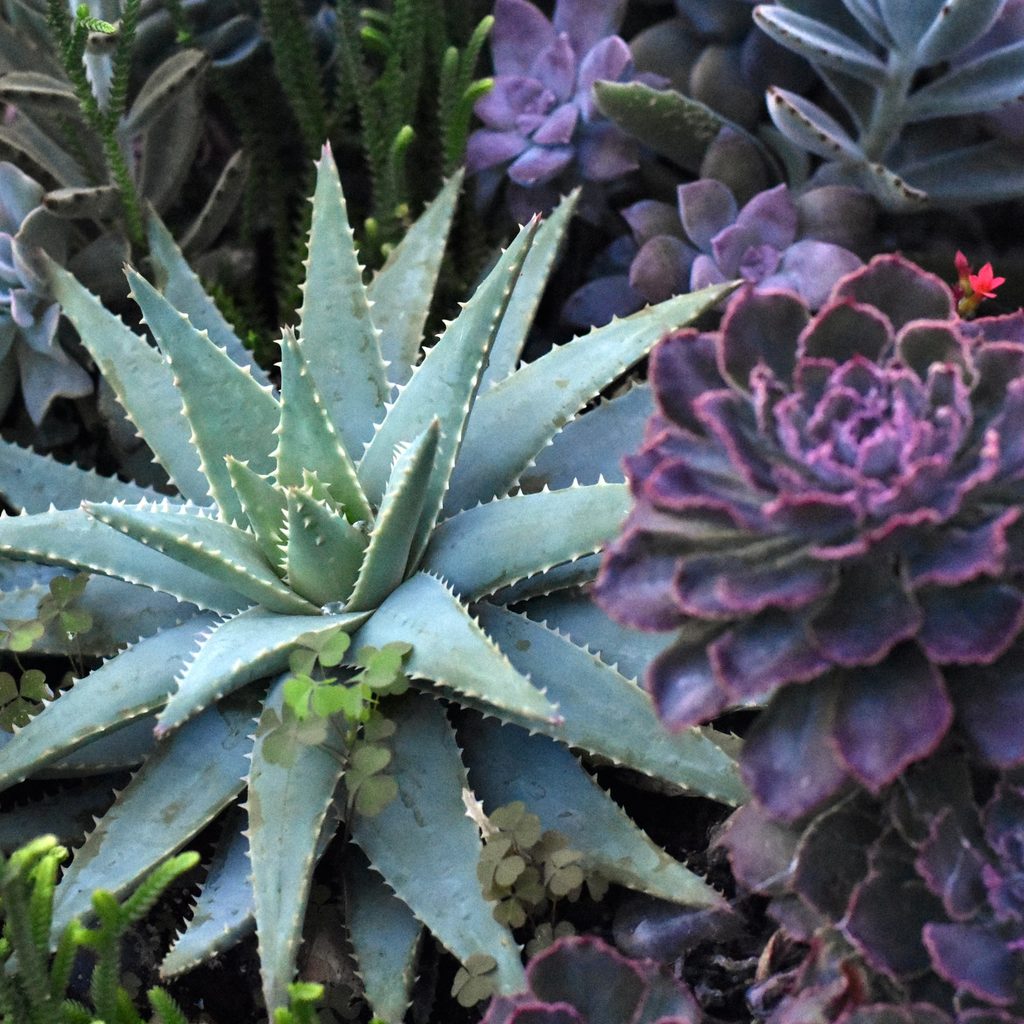
Which succulents should you plant?
Agave: Agave is a popular outdoor succulent, and it comes in many shapes, sizes, and colors. Butterfly agave is large and round, almost like a blue pinecone. Foxtail agave has longer, more slender leaves and tall, puffy flower spikes. Tuxedo agave has white and green leaves, while Queen Victoria’s agave has a unique leaf shape.
Aloe: Aloe is another popular succulent that you can grow in containers or outdoors. Aloe vera is one aloe you may be familiar with, especially if you’re prone to sunburns. You may also enjoy the striped tiger aloe or the flowers of hedgehog aloe.
Echeveria and dudleya: Echeveria and dudleya have similar appearances and come in a range of stunning colors. Echeveria is a more cold-hardy plant than other succulents, while dudleya is better suited to hot, dry regions. If you need something that’s even more tolerant of the cold, then graptopetalum is a great choice.
Hens and chicks: For something smaller that can fill in gaps between other succulents in your succulent garden bed, look for hens and chicks. They form little rosettes and are quite cute. Creeping sedum makes an excellent ground cover as well.
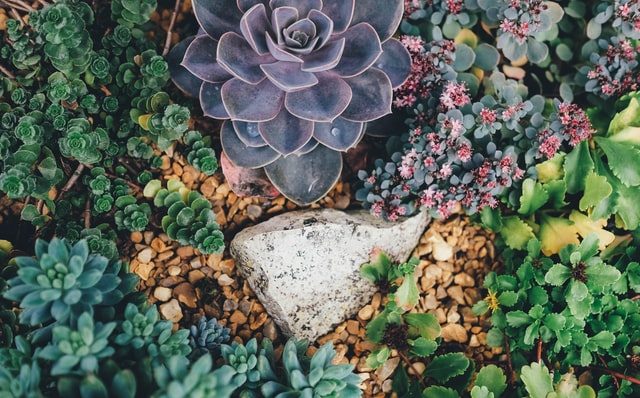
Now you know how to make a succulent garden bed. Succulents are a beautiful category of plants with so much variety. You can craft a succulent garden of any size, from a tiny bed of hens and chicks to a sprawling arrangement of agave and aloe. Succulents often look particularly dazzling in rock gardens, with plain or decorated rocks surrounding them. Just be sure to sketch or arrange your succulents before planting them, so you can be satisfied with your design!