You have your hydroponic garden, and now you’re anxiously adding to it and need some hydroponic growing tips for an essential plant you plan to add to your cluster: ginger.
Ginger has been used both culinarily and medicinally for centuries, and it’s a key ingredient in many popular Asian dishes. Whether you’re a fan of ginger chicken or ginger tea, this plant is useful to have around. It’s also quite easy to store, so you don’t have to worry about growing too much at once.
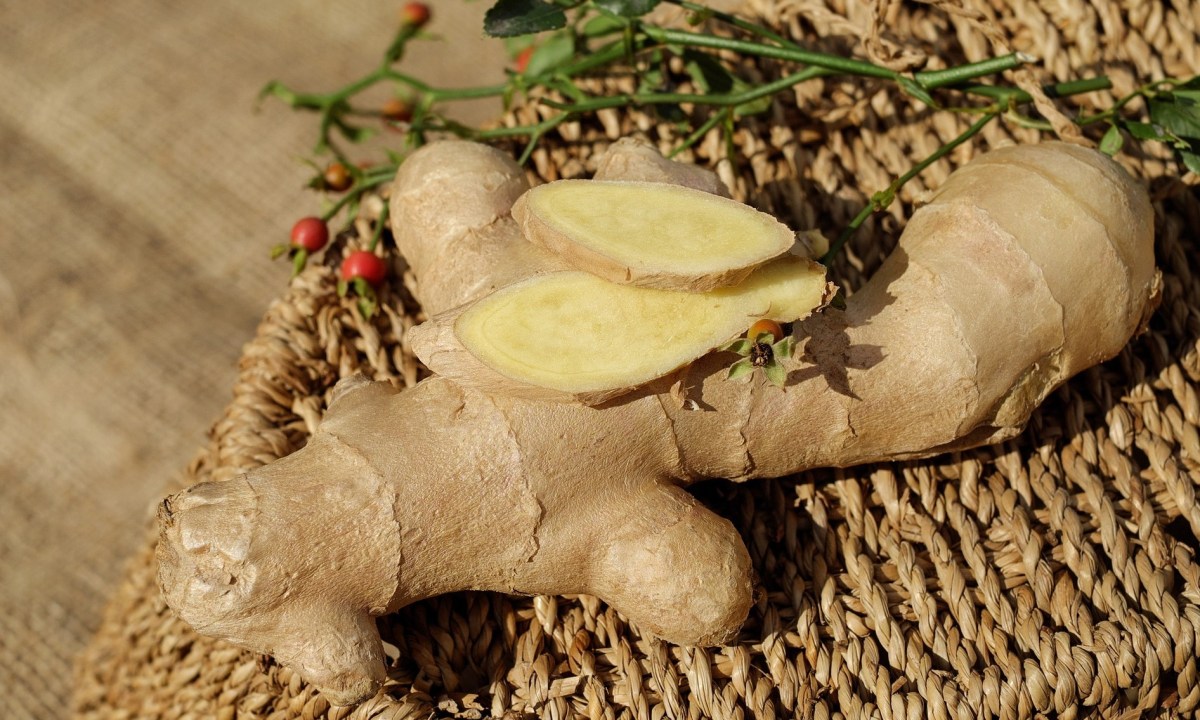
Ginger is called ginger root, but that’s not exactly correct. What’s really used to grow ginger is the rhizome of the plant, and from the rhizome, new leaves grow, and as the plant grows, so do new rhizomes. Most people assume you can grow ginger in water, and you can, but let’s break down how to grow hydroponic ginger.
Is it safe to eat sprouted ginger?

Sprouting ginger doesn’t produce toxins the way sprouted potatoes do, but it also doesn’t offer the same nutritional value as fresh ginger. This is because bud growth causes the ginger to wilt and dry out. So although you can eat it, it’s not nutritionally beneficial to your diet. As it ages and shrivels, ginger also starts to have less flavor. For that reason, many people get rid of it or plant their ginger once it starts to sprout, instead of opting to cook with it or eat it.
Can I plant a sprouted ginger root?

Sprouted ginger is, in fact, one of the most ideal ways to plant ginger! When you plant ginger after it’s sprouted, it’s said to have a plentiful harvest. You’ll want to cut it into roughly 2-inch pieces before planting so that each piece has a couple of eyes it can grow from. The sprouted ginger will give you more ginger to plant and grow, thus resulting in more ginger to harvest.
The benefits of growing ginger hydroponically

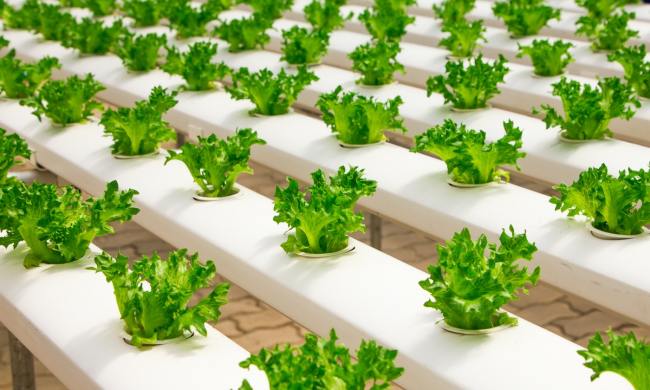
There are numerous benefits to growing ginger in a hydroponic system. Here are just a few.
- Hydroponic systems allow faster growth, as these provide constant and available nutrition. It helps plants grow up to 50% faster than if they were to grow in soil. Not only that, but hydroponic plants don’t have to worry about season changes, which means they can grow year-round.
- Because hydroponic gardening removes the need for herbicides and pesticides used in soil gardening, it’s also better for the environment.
- You can reuse the water in the hydroponic system, which reduces the need to use extra freshwater. Hydroponic systems can use less than 10% of the water compared to field-grown plants.
- Gardening land around the world is in short supply. If you’re one of those people who doesn’t have the space for a big garden, hydroponics is the perfect solution because it lends itself well to indoor gardening for apartments, city living, or small houses.
- Hydroponics allows for impressive space savings. Normally, a plant’s roots expand throughout the soil in search of food and oxygen. This doesn’t happen in a hydroponic system because the plant is directly in contact with an oxygenated nutrient solution and important minerals. What does that mean? It means you can grow plants much closer together and grow more of them.
- Unlike leaving your plants outside in a garden, hydroponics allows for complete control of temperature, humidity, the intensity of the light, and even the composition of the air. This lets you grow any plant at all times of the year, regardless of the weather.
Are you convinced yet? If so, let’s jump right into how to grow hydroponic ginger. Don’t worry; we’ll give you a step-by-step rundown.
How to grow ginger hydroponically

Growing ginger hydroponically is not complicated. All it takes is patience, a few tools, and a lot of love.
To begin, you don’t need to root the ginger in water quite yet. Don’t worry, the ginger will grow hydroponically for most of its life, but it’s important to root the rhizome in compost first and then move it to a hydroponic system. First, cut the rhizome into several pieces with a bud on each. It’s a good idea to plant several to ensure germination. Fill a pot with compost, and then take your rhizomes and plant them roughly 1 inch into the soil. Water the plant on a regular basis. How do you know if your rhizomes have germinated? They will produce stems and some leaves.
- While your rhizomes are germinating, you can prepare your hydroponic system to receive the ginger. Your container needs to be a decent size depending on how many plants you’re growing. Each plant requires 1 square foot of growing space, and the tray you use should be between 4 and 6 inches deep.
- Once your rhizomes have germinated, remove the strongest ones from the soil and rinse off the roots. In your tray, put down 2 inches of soil, place your new ginger plants on top of the soil, and then spread out the roots (make sure to space each plant a foot apart). Pour more soil to cover the roots and hold the plants in place.
- Hook up your system to water and feed your plants every 2 hours with a hydroponic nutrient solution, but you don’t need to be fancy, as any standard solution works. Regularly test the pH of the fluid to make sure it’s between 5.5 and 8.0. Put the plants in light for 16 to 18 hours a day and let them rest for 6 to 8 hours.
- Within four months, the plants will produce more rhizomes and you can harvest them. Take the rhizomes, wash and dry them, and then store them in a cool, dry place.
Storing your excess ginger

One of the benefits of growing hydroponic ginger is a large and ongoing harvest. Ginger is easy to harvest from repeatedly, and growing it in water makes it that much easier. So it’s understandable why some people may end up with too much ginger. If you don’t want your ginger to go bad before you use it, here are a few simple and effective storage methods. For ginger that you plan on using quickly, simply store it in a cool, dry place. Avoid placing it in direct sunlight unless you want to dry it out!
For longer storage, freeze your ginger, either as a whole rhizome or in smaller chunks. A frozen ginger rhizome is great if you prefer to grate your ginger, but if you prefer chunks you can cut your ginger into smaller pieces before freezing it. This is a good option if you prefer fresh ginger over dried, and it increases the shelf-life of your ginger substantially.
You can also dry your ginger and store it either whole or ground. You can sun dry your ginger by washing it, then leaving it on a baking tray in full sun for a few days (typically three or four days). You can also use a food dehydrator. Remember that ginger will dry faster if it is in smaller pieces! Cutting your ginger into slices or grating it will speed up the drying process.
There are incredible benefits to using a hydroponic system for ginger and any other plant. Anyone with patience and time can grow their own ginger without a big backyard or even a house. Hydroponic growing is the perfect solution for apartment dwellers with a green thumb, and by following these steps, you won’t ever have to buy ginger from the store again.