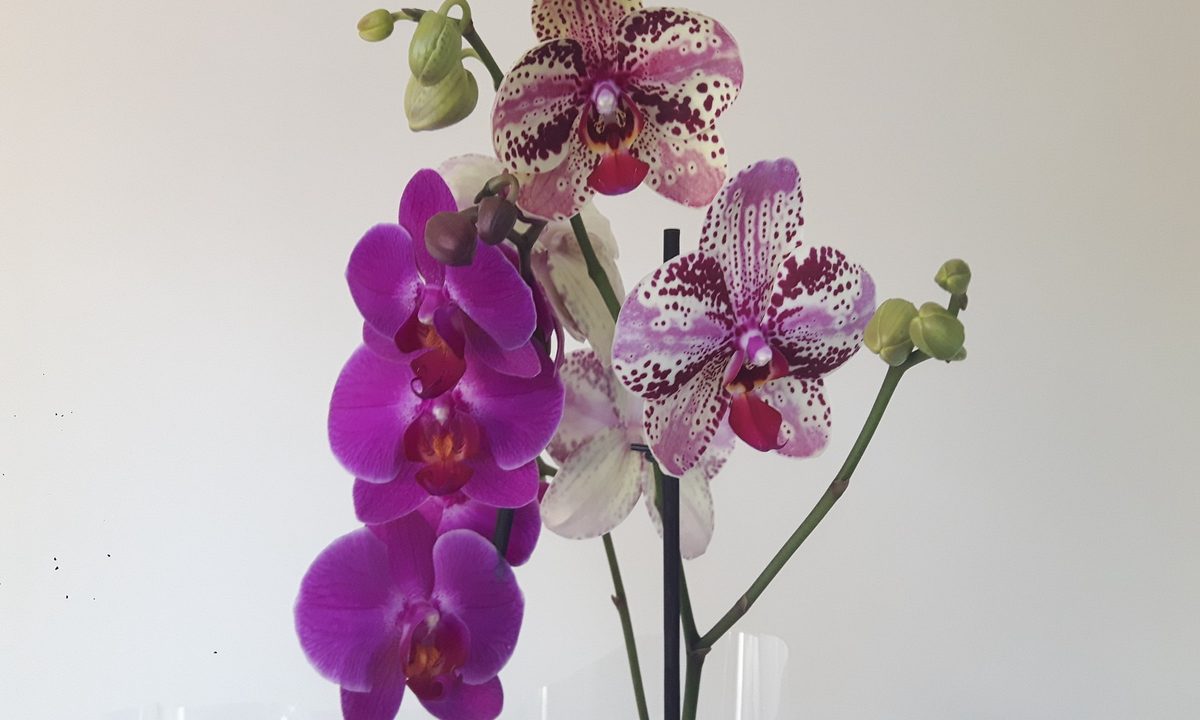
Orchids and hydroponics both have a reputation for being tricky for beginners, but that doesn't have to be the case! Hydroponics doesn't need to be complicated, and orchids only need patience and attention. Combining the two is actually a fairly simple process. Not only does growing orchids in water look impressive, but it's also a great way for beginners to learn how to take care of an orchid. If having a beautiful orchid growing in water sounds ideal to you, then this guide to growing orchids in water is for you!
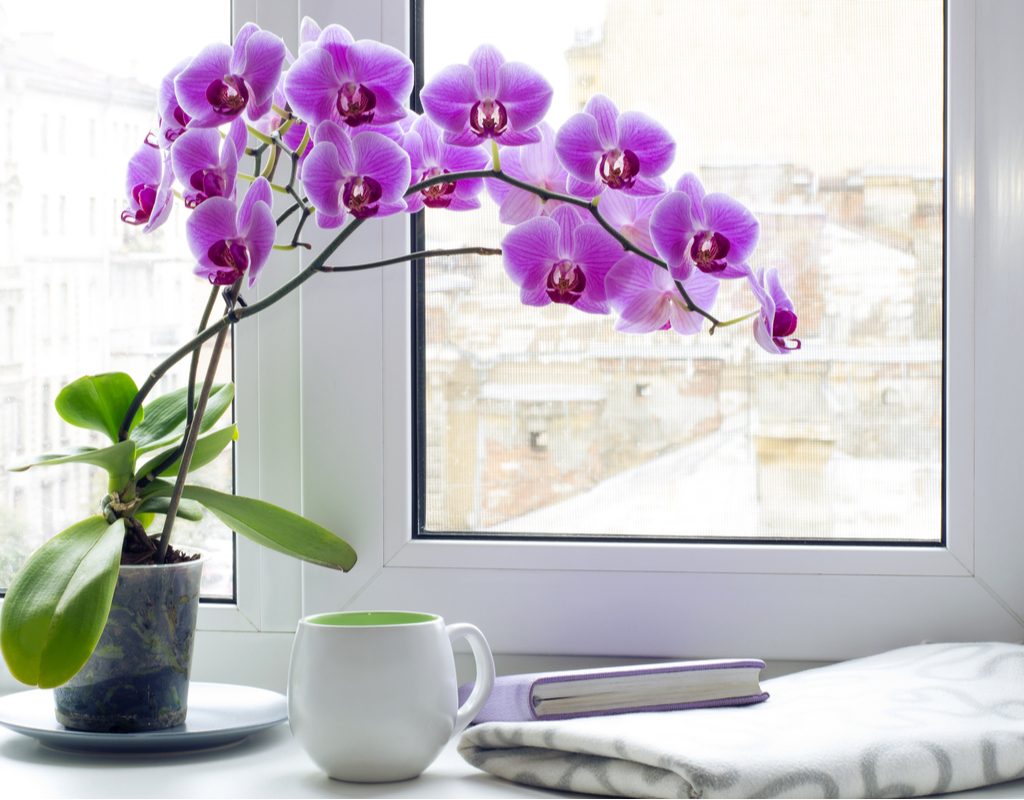
Can you grow orchids in water?
Orchids do quite well in water, as long as they’re given the proper care. It may even be easier to grow orchids in water for some, as you don’t have to worry about regular soil maintenance and watering. Here's what to do to set your orchid up for success.
Step 1: Choose the right container.
You don't need a fancy hydroponic system, a simple Mason jar or vase will do as long as it's the right size! You want a large enough bowl or vase to hold all your orchid's roots and give them a little extra room to spread and grow. Your vase also needs to be tall enough to support the stem of your orchid, so that it doesn’t topple out.
Step 2: Make sure your orchid’s roots are clean and healthy before you put it into the bowl.
If you’re moving your orchid from soil to water, remove all the soil from the roots. Check your orchid’s roots for damage, rot, or disease, and cut away any unhealthy parts of the root. If your orchid is root bound or has tangled roots, gently pull them apart so they can spread out in the water.
Step 3: Use room temperature distilled water.
Tap water may be fine to use, but it depends on the hardness of your water. Some cities use chemicals to treat the water, which is fine for us but not very good for plants. Distilled water is best, and rainwater can also be used, provided you don’t live somewhere with acid rain.
Step 4: Add enough water to cover the orchid's roots, but avoid getting the leaves wet.
Wet leaves rot, which can weaken the plant, cause the water to become grimy, and generally looks unattractive. Keep the water level below the lowest leaves, add water slowly, and avoid pouring water over the leaves when you add water to the bowl.
Step 5: Decorate your container.
As long as the decorations are water-safe and properly sealed, you can decorate your bowl however you please. Fish-tank decorations are generally safe, as are fish-tank rocks. Don’t add rocks from your garden, as some rocks slowly dissolve in water, adding minerals to your water that may harm your plant. Be aware that you may need to clean any decorations you add, to avoid algae buildup.

How long do you keep orchids in water?
There are two methods for growing orchids in water. One method is to leave your orchids in the water and change the water out every week or two, letting the orchid dry while you replace the water. The second method is to leave the orchid in the water for two days and then let it dry out for five.
There’s no evidence to suggest that one method is significantly better than the other, so it really comes down to which one works with your schedule. Try both methods and see which one you like more!

Can orchids grow without soil?
Orchids can and do grow without soil. They need a small amount of soil to germinate in, but as they mature they need less and less soil. In their native habitat, orchids are air plants. This means they root in very little soil, often on tree limbs, and get most of what they need from the air. This is why orchids love humidity so much — it’s how they naturally want to absorb water!
Not all orchids love air the same amount, though. Varieties that are far removed from their wild ancestors and have been cultivated to grow in soil may have a more difficult time adjusting to a soilless existence. Don’t give up, though! Any orchid can be grown in water with just a little patience.

Can you regrow orchids in water without roots?
Yes, however it depends on a few different factors. If you're dealing with a mature plant that previously had roots, then you should be able to place your orchid in water and watch it regrow. Orchids need very few roots in order to survive, so as long as there is any amount of root left you can regrow it with proper care.
If you're propagating your orchid from a cutting then the process is a little more complicated. While cuttings from many plants can be rooted in water, orchids need to begin growing roots before you can place them in water. Here's what to do:
Step 1: Check your orchid's type. While all orchids can be propagated, epiphytic orchids, such as dendrobium and vanda, are the best choices for propagation through cuttings.
Step 2: Choose a large, healthy stem with at least two nodes. The nodes are small bumps that leaves or flower spikes grow from.
Step 3: Cut the stem at the base of the plant with sharp, clean shears or scissors.
Step 4: Wrap it in a damp paper towel or clump of sphagnum moss.
Step 5: Apply orchid rooting hormone to the end of the cutting. This is optional, but does speed up the process.
Step 6: Place the wrapped stem in a cup, jar, or other container to keep it upright.
Step 7: Place the cutting in indirect light.
Step 8: Mist the cutting to keep it damp without overwatering it.
Step 9: Transplant your orchid into soil or water once the roots are 2 to 3 inches long. This can take several months, so be patient!
Can you grow orchids in water beads?
Water beads or water pearls are small gelatinous spheres that absorb and hold water. The water is released over time for the plant to use. While this isn't a good growing medium for every plant, some plants grow quite well in them. Orchids can be grown in water beads, although not every orchid will thrive in them long term. Water beads are a great solution if you travel often, as the water beads need to be refreshed less often.
However, they aren't a perfect growing medium for orchids. The water beads can fit together quite closely, restricting air flow to the roots. Additionally, the water beads will keep the roots constantly damp. This combination can lead to root rot over time, so water beads should be a short-term growing medium for orchids.

Why is my orchid dying in water?
If you're growing orchids in water, but notice that they're losing leaves, wilting, or becoming discolored, there are a few common problems. A lack of nutrients, lack of air, and overwatering are the most common problems. Be sure to give your orchid a chance to dry out when you replace the water, to avoid developing root rot or other problems associated with overwatering. While your orchid dries, give the container and any decorations in it a thorough cleaning to prevent bacteria or algae from building up.
Additionally, replace the water at least once every two weeks (although most orchids will appreciate more frequent water replacements) to keep the water from becoming stale. Feeding your hydroponic orchid with a diluted hydroponic fertilizer will help ensure it has plenty of nutrients.
Not that you now all there is about growing orchids in water, you’re ready to wow your friends and family with an impressive-looking but easy to maintain setup! Keep an eye out for root rot, make sure your water is fresh, and add a touch of decorative flair. It’ll spice up your house and keep your plant happy!