
You know that you want to get out in the backyard and start searing up some steaks. But, there are so many different gas grills on the market today. How do you know which one to choose? What criteria should you even consider before laying down some cash? After all, each brand of gas grill out there has its own set of features and accessories. No two are exactly alike.
When put together, the entire process of information gathering, shopping, and eventually purchasing the perfect gas grill for you can be a pain. We get it. Therefore, to take away some of the frustration, we put together this gas grill buying guide. We’ll help you cut through a bit of the noise and show you what to look for in a gas grill.
If you’re ready, let’s get to it.
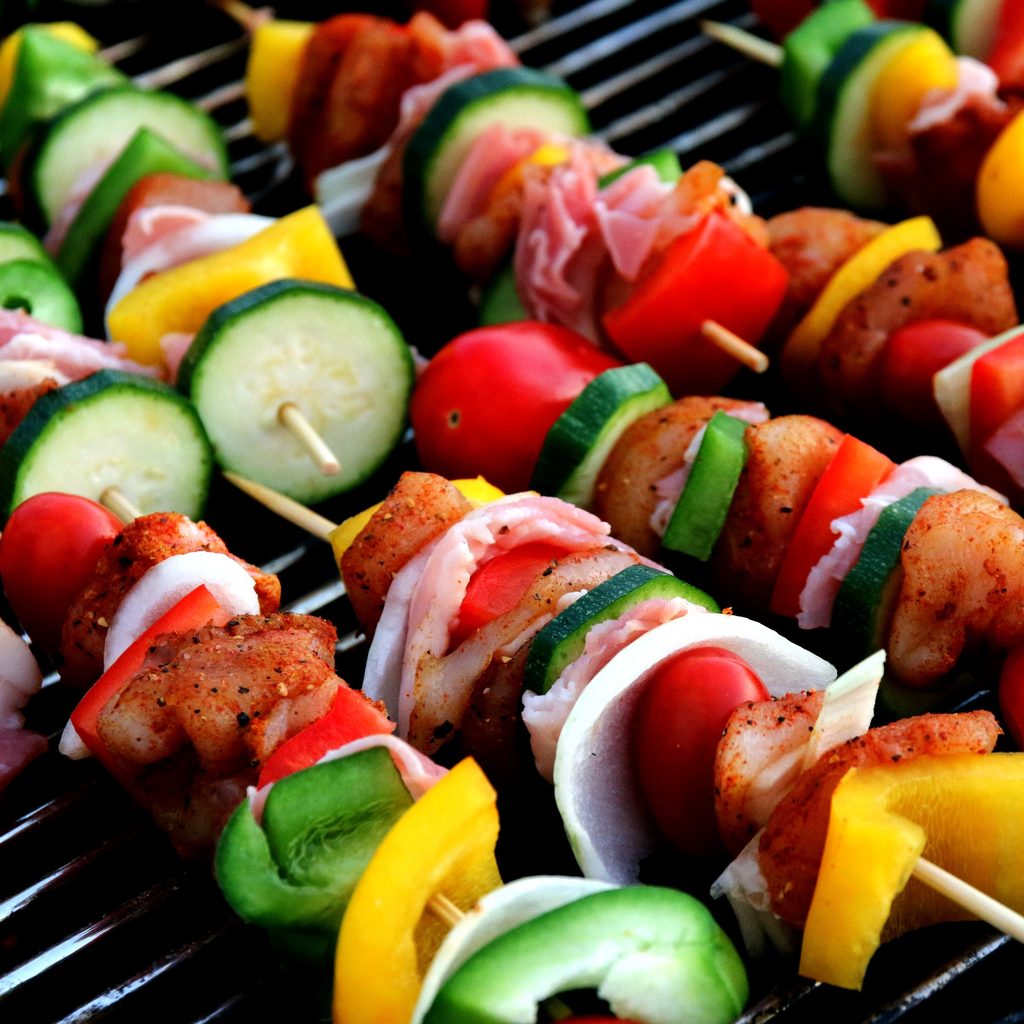
Pros and cons of gas grills
Before we jump into all the criteria you should consider before buying a gas grill, you need to understand the pluses and minuses of purchasing one in the first place. For example, gas grills are relatively simple to operate on the plus side and don’t take much to clean up.
On the downside, a gas grill won’t provide you with that smoky flavor many backyard grilling enthusiasts love. Of course, to overcome that challenge, some brands have started to include options where you can add wood pellets or charcoal while you’re cooking. That way, you can enhance the flavors of whatever it is you’re cooking.
Another potential downside is the fact that gas grills tend to be more costly than charcoal grills. You can get a lot more specific about the temperatures at which you want to cook, though. Many feature temperature control knobs that allow you to adjust the heat between 400 and 600 degrees Fahrenheit.
You may also have to replace certain parts like vents, burners, and valves from time to time. They’re not as simple as a charcoal grill, that’s for sure.
A gas grill’s price
Know your budget. There’s a wide range of prices, and as with most things, you get what you pay for. With that said, even cheaper gas grills can work just fine depending on your needs and how often you plan to use them. Ideally, you want to invest in a grill that’s going to last a long time. Why choose something you’re just going to have to replace in a couple of years?
High-quality gas grills are going to run in the neighborhood of a few hundred dollars all the way into the thousands. Of course, the more features the grill boasts, the more expensive it’ll be. Therefore, if you know you absolutely must have something top of the line, be patient and save up. If you don’t want to wait, shop for a grill that’s in the price range of the budget you’ve set for yourself.
A gas grill’s size
You need to know for how many people you’ll be regularly cooking. The more people you have to grill for, the larger you’ll need your gas grill to be. The smaller your grill, the longer it’s going to take you to cook the right amount of food if you’ve got a larger group to feed. Remember that it’s no fun to cook small batches and have one set of people eating while another looks on with empty plates.
A best practice is to purchase a grill with at least 300 square inches of cooking space if you’re cooking for a minimum of four people. Pay attention to the wording of the brand you’re considering because some will add in rack space and say that’s your 300 inches. It’s not. You need an actual 300 just for cooking.
You should also keep headspace in mind. For example, suppose you’re going to put something substantial on your grill, like an entire Thanksgiving turkey or maybe a whole leg of lamb along with some steaks. In that case, you need a gas grill that will accommodate it all under the lid.
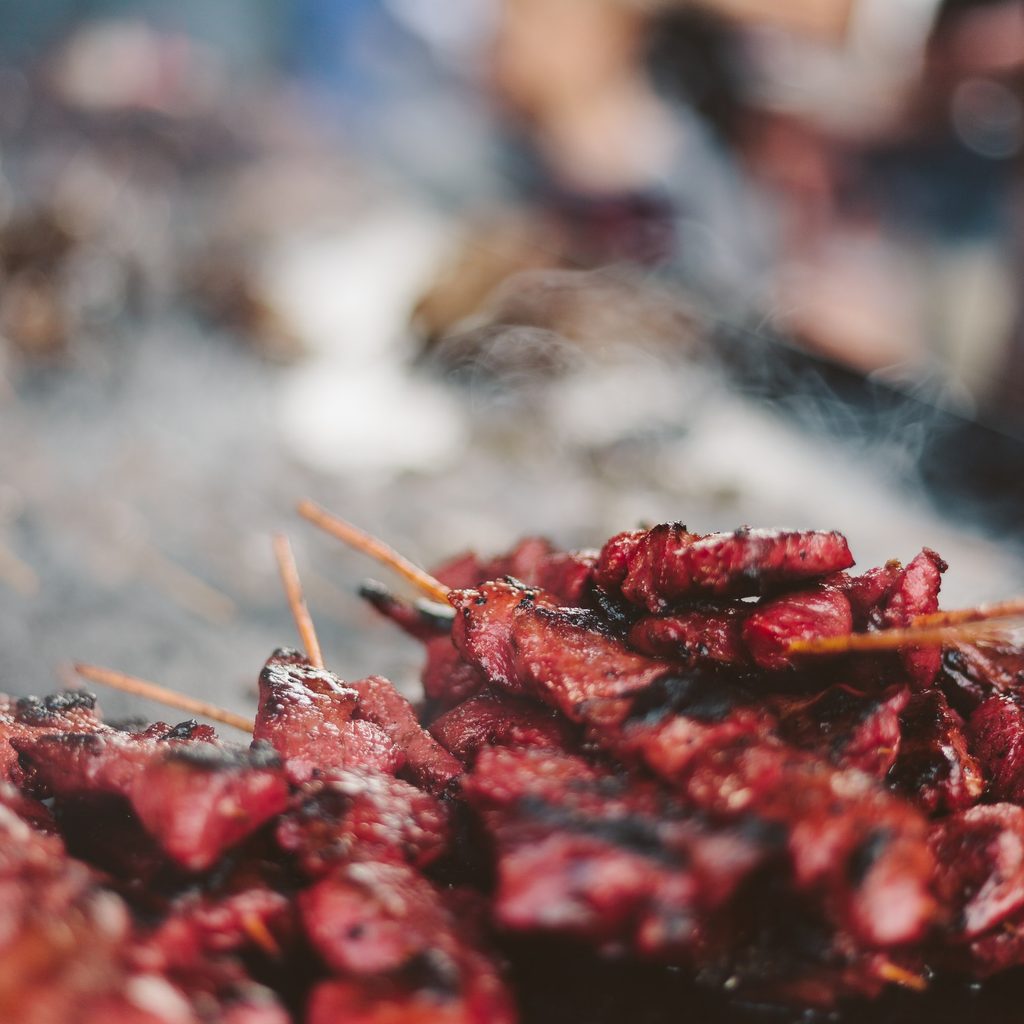
A gas grill’s heat
Of course, we already mentioned you can find a gas grill with a range of heat settings. However, you also need to ensure that the heat is distributed evenly across the entire cooking surface. To do that, you need to pay close attention to how the burners are positioned.
For example, some have burners that are positioned front to back while others are left to right. In general, you’ll want the former if you want more versatility. With front to back burners you can arrange foods that need low, medium, or high heat for indirect and direct grilling goodness.
Don’t fall for marketing hype that suggests a gas grill with a higher BTU rating produces more heat. That’s not necessarily the case. Better indicators of a grill’s performance are things like heat retention, distribution, and size.
The last element you need to think about is durability. What materials are used in making your grill? Obviously, longer-lasting materials are also more expensive. So, think about that when making your purchase.
Have fun choosing and good luck grilling!