Patience might be a virtue, but it’s not necessarily thrilling for gardeners to wait for their plants to push out a single leaf once every blue moon. Many plants, of course, will go dormant during fall and winter. Still, plenty of species out there offer prolific growth as long as you provide them with adequate light and plant food, even when the growing season winds down.
If you don’t want to wait for months for signs of a new leaf, you’re definitely not alone. From pothos to asparagus ferns, here are the best fast-growing houseplants to add to your wishlist now for an influx of new leaves!

Pothos
You saw it coming: the pothos definitely deserves a spot on this list! Known for its waxy, heart-shaped leaves, the pothos is a fast grower that requires little maintenance. While it doesn’t necessarily need bright light or consistent fertilizing, offering it both things will encourage quicker growth. You can grab pothos in a handful of different variegations: golden, marble queen, and neon are just a few that you can add to your collection. Bonus: pothos are easy to propagate and share with fellow plant enthusiasts!
Spider plant
The spider plant can take over your life without much effort on your part—its main striped curved leaves quickly give out even more clusters of striped curved leaves called spiderettes. Come time for pruning, you can easily propagate these mini “spiders” to grow full new plants. With spider plants, better your plant’s chances of survival by giving your plant bright indirect light and adequate humidity. Spider plants prefer to dry out in between waterings, but under-watering them for too long can also lead to browning edges. Don’t forget to give them plenty of humidity, too!
Trailing philodendron
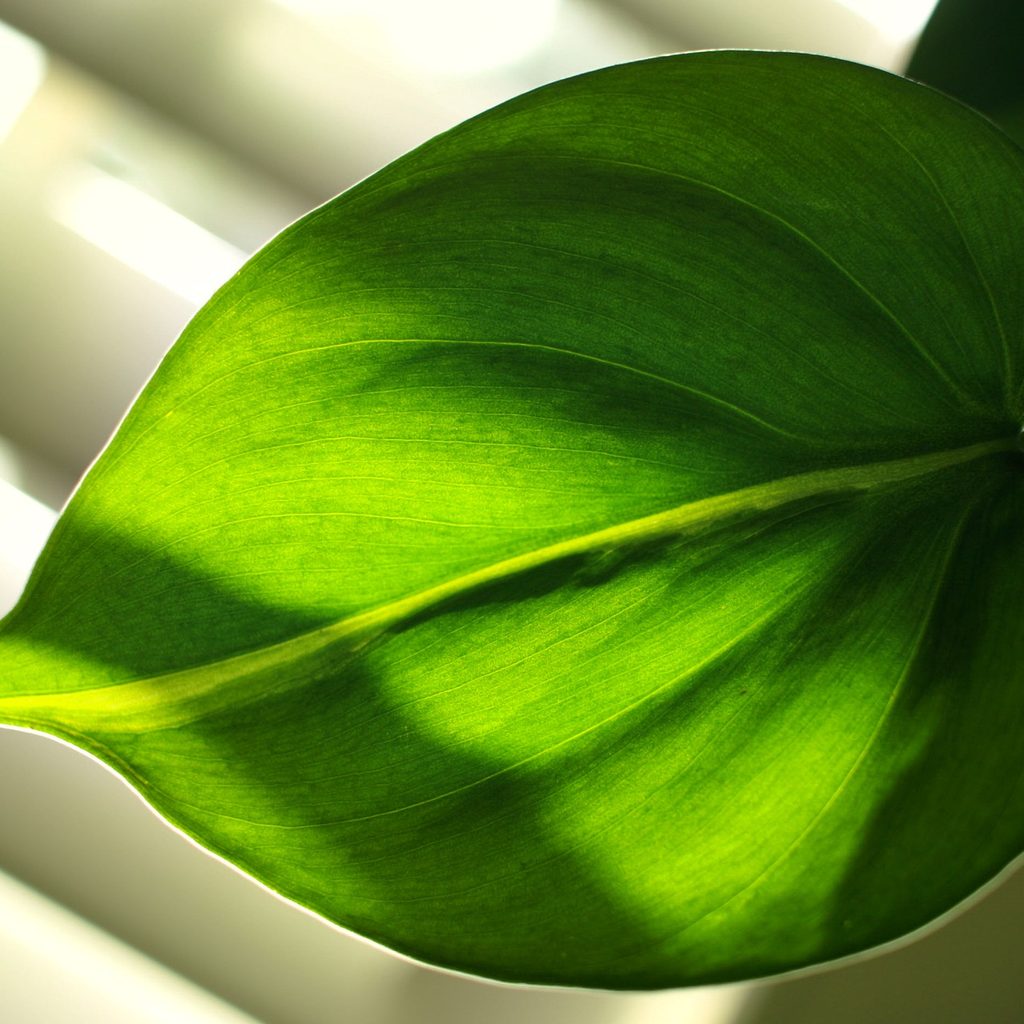
Philodendron and pothos are pretty much cousins, and it’s easy to mistake them for one another. Trailing philodendron leaves, although waxy and heart-shaped, don’t have a prominently indented petiole in the middle. They also tend to be slightly less waxy and curl a little at their ends. As with the pothos, you don’t really need to frequently water philodendrons, although bright indirect light and fertilizer will encourage them to push out leaves quickly. Philodendrons also come in different variegations. Most commonly, you can grab the neon and brasil varieties. Keep in mind that self-heading philodendrons (or upright ones) take a little longer to push out leaves, although you can encourage them to be more productive by fertilizing them throughout the growing season.
Tradescantia zebrina
The tradescantia zebrina, also known as the spiderwort, is dazzling with its silvery trailing leaves with deep purple undersides and outlines. With the proper care, it can be quite the prolific grower as well. This plant prefers moist but not waterlogged soil to thrive, and you’ll want to give it bright light for it to maintain its variegation. It’ll grow very fast if you leave it outside, but will be slightly more contained as a houseplant.
Ficus elastica
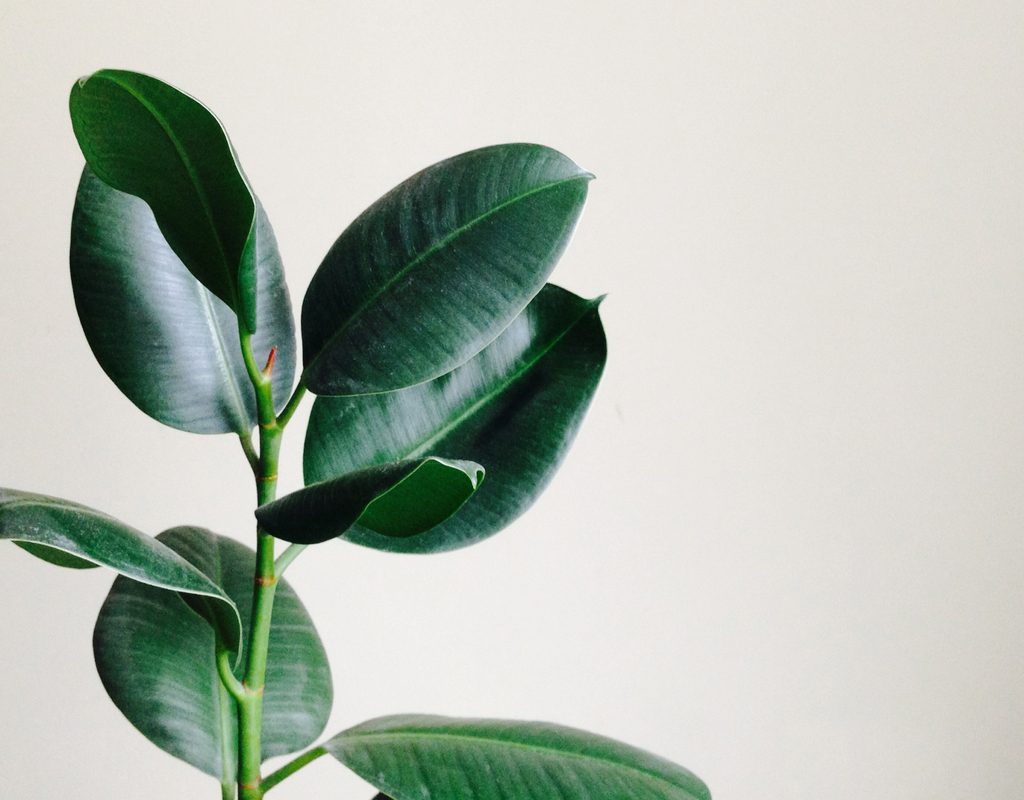
Coming with striking, dark leathery leaves, the ficus elastica, or rubber tree, is a beauty to behold—and it’s one that’s not too finicky to nourish, either. To encourage growth, fertilize throughout the growing season and make sure to wipe dust from the leaves to help them with photosynthesis. It thrives in bright filtered light and can grow up to two feet taller over the spring and summer. Allow this plant to dry out slightly before you water it—overwatering the soil can lead to a swift death by way of root rot! With the ficus elastica, check out the sleek blackish burgundy, cream-splashed Tineke, and bright pink ruby varieties!
Asparagus fern
The asparagus fern isn’t a true fern—though its leaves may make it look like one, it’s actually much more low maintenance than a fern. It does well in dappled light and is tolerant of wet or dry soil. The soft and fuzzy leaves appreciate humidity, so you can mist them or leave them by a pebble tray with water. The asparagus fern does well in warm weather. It can be kept as a perennial in zone 9b and higher, but needs to live as a houseplant elsewhere. To keep the feathery leaves coming, feed your plant with diluted liquid fertilizer monthly throughout the growing season. Since the leaves grow out quickly, you may want to trim the foliage occasionally—otherwise, go ahead and let it grow out for a bushy, full look!
Growing plants will always require some patience, but many plants will offer quicker gratification than others! If you’ve been wanting a fast-growing plant to add to your collection, get your eyes off of golden barrel cacti and hoyas to pay attention to the trailing pothos and philodendrons out there. Pick up one of these plants and add fertilizer and bright indirect light—you’ll have a prolific plant on your hands before you know it.


