Small deck gardening is a great way to still care for plants without taking up too much space — especially if you have limited room to work with. These deck garden ideas are perfect for those without space in the yard for a garden, those who live in an apartment but have an outdoor space, and even those who want to grow their own plants without the hassle of caring for a full garden. From window boxes to vertical gardens, much more can be grown on a deck than you think.
What vegetables can I grow on my deck?
The good news is that you can build a deck vegetable garden and expect it to thrive. It is possible to grow on a deck almost any vegetable plant that grows in a garden. Many people think they need to grow dwarf varieties to accommodate their small space, but that’s not necessarily the case (though the smaller versions can be cute and add a nice look to your new deck garden). With a deck garden comes the possibility of choosing cohesive garden boxes, picking and choosing which vegetables to grow, and reorganizing as needed. The benefit of growing in containers is that you can bring the plants inside if it’s too cold or move them out of the sun if there’s too much.
If you’re concerned about the space of your deck but don’t necessarily want to get dwarf varieties of vegetables, there are some good space-saving ones you can attempt to grow! Carrots, lettuce, peppers, scallions, and tomatoes can all be grown in containers (as opposed to doing better in a deck box) and moved around as needed.
How should you grow plants on a deck?
Like other indoor plants, well-draining soil and pots/boxes with good drainage will be key to successfully growing plants on a deck. Because the decks themselves may not have good drainage, you may also want to look into feet or blocks that can hold your containers up off the ground. That way, the pots won’t be sitting in stale water, and the excess water will have somewhere to go.
The pots and boxes should be deep enough so that the vegetables have plenty of space to grow. If they don’t have enough room, they won’t be able to grow well enough to produce a good harvest.
How can you start a patio garden?
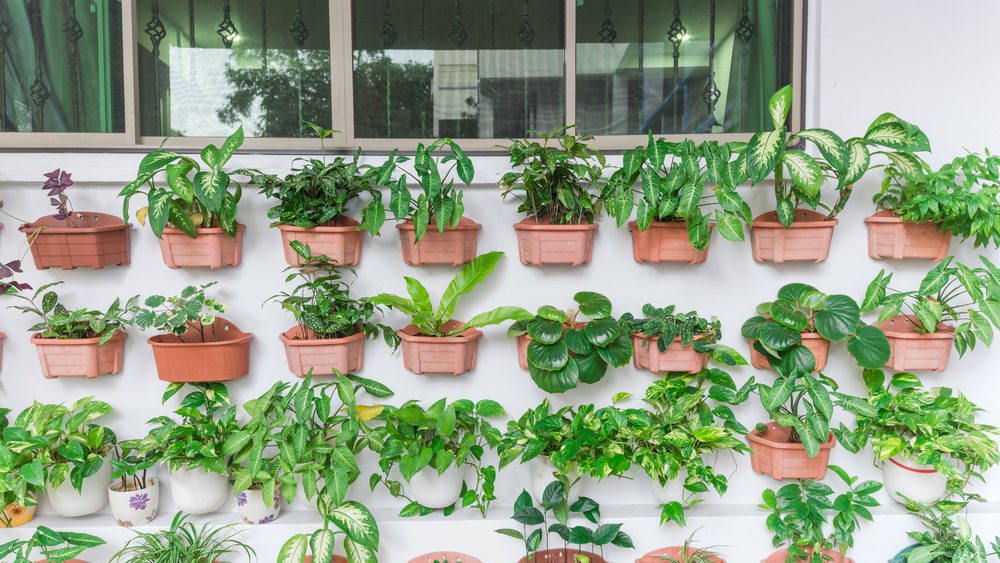
Choosing your layout and types of plants is the best way to start. Because most plants that can be grown in an outdoor garden can be grown in a box or container, it will mostly be about the look and feel you want for your space. Railing boxes are great to grow herbs in (or any plants with shallow roots), which will leave more space on the deck itself to arrange containers of other plants you want to grow. Window boxes are also a great choice for plants that don’t need too much space.
If you can manage one, you also have the option to look into vertical gardens. Plants that grow on a vine and can grow upwards are ideal for these. Be wary, though, for ones that aren’t taken care of or built correctly could cause damage to your patio/deck. They do require a bit more maintenance than plants in containers, so keep that in mind if you don’t want your deck garden to be too stressful!
What plants grow best in small pots?
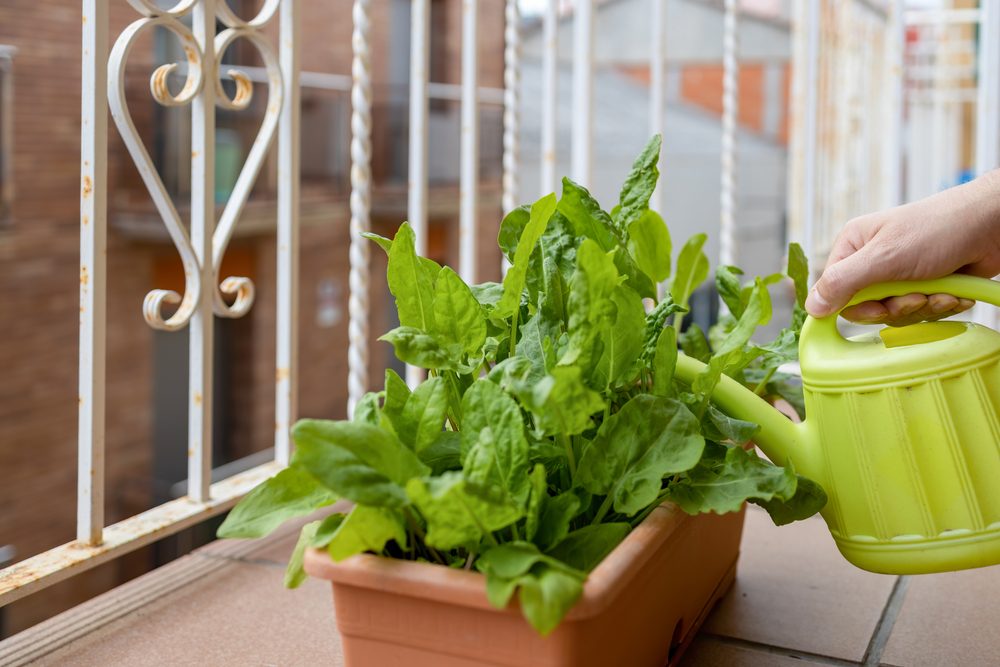
Plants with shallow roots and plants that don’t need a lot of space will do the best in smaller containers, like window or railing boxes or shorter deck boxes. Vegetables like lettuce, onions, and spinach don’t need too deep of pots, and herbs will do fairly well in a smaller environment.
All in all, your new deck garden can be as much or as little as you want it to be! If you like the look and feel of smaller window or railing boxes, stick to growing herbs or vegetables like lettuce that don’t require a lot of depth for roots. If you want some tomatoes and peppers, be sure you center your space around needing room for those containers on the surface of the deck. Design it however you want, and grow only what you want and need, and you’ll have a thriving deck garden in no time.