With a little bit of planning, your seasonal garden can become a lot more productive. Observe the space, compile your ideas, and put everything on paper during the off season. Then, when garden time arrives, you will have the information at hand to buy what you need and get it in the ground in an efficient way. You’ll also make better use of the available space as well as your limited gardening time.
Observe the space
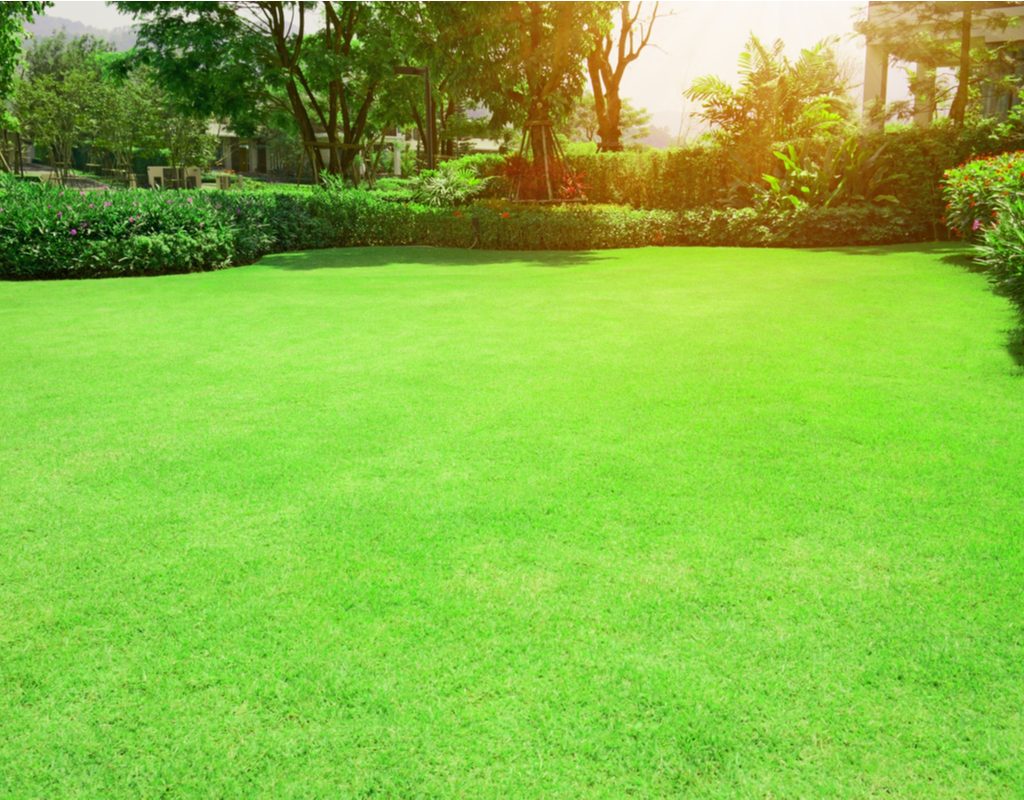
Make a rough sketch of the garden space. Record the number of beds and dimensions of each bed space. Note the locations of water outlets or irrigation lines and any other obstacles within the garden area. Also use a compass or smartphone app to find and note north, south, east, and west. Directional information will help you understand and plan for changes in sun exposure throughout the season.
Gardens need at least six hours of direct sunshine for best production. A bit of afternoon shade is helpful for gardens in hot climates. Note any trees, fences, buildings and other sources of shade. Slopes can be problematic, as can ground that is too flat. Some slopes can be terraced to reduce the rate of runoff. If the ground is too flat, consider building mounded beds for better drainage.
Prepare the soil well in advance
Early soil preparation is beneficial as it allows time for amendments to meld with the native soil ahead of planting time. Begin a month or more before you intend to plant. Terrace or mound the native soil in the bed locations as needed to promote a moist but well drained growing environment. Next, apply a three-inch layer of garden soil and compost and an application of granular organic fertilizer. Rototill these soil amendments into the top three inches of native soil and rake the bed to remove rocks and roots. Cover the bed with a three-inch layer of mulch and let it rest until planting time.
Decide on the plant selection
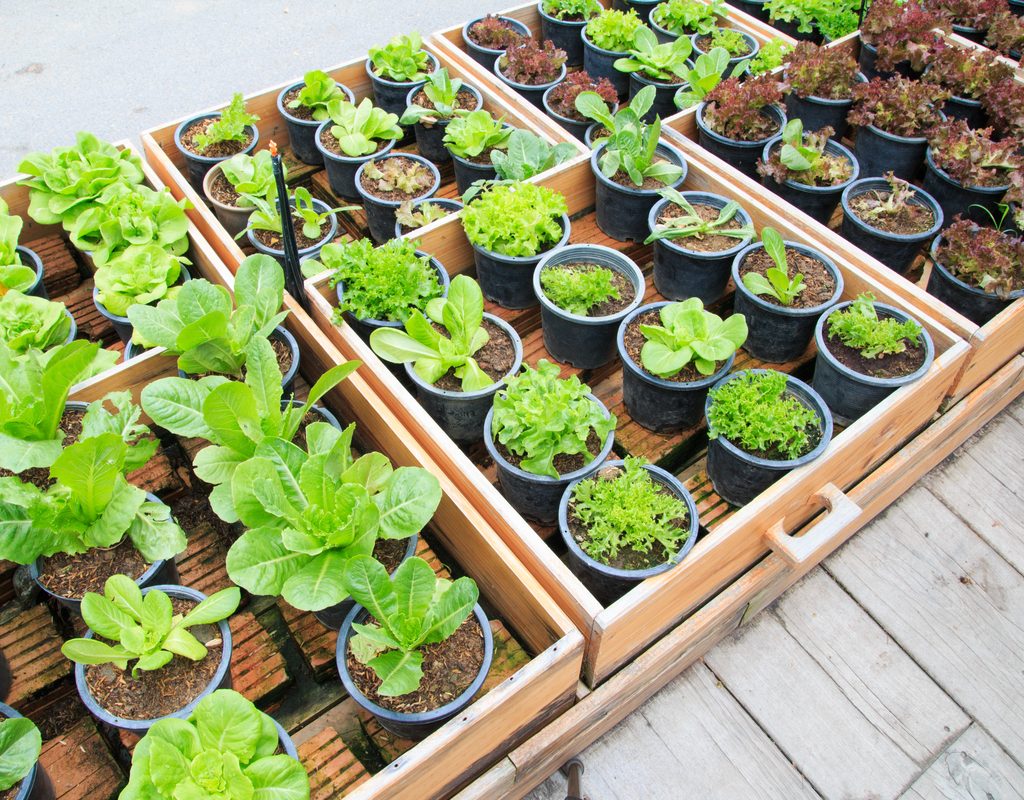
Create a list of crops that you wish to grow. Include the required spacing and the proper planting and approximate harvest dates for each. Those near the top of the list should be the crops that are most important to you, those that take the longest time to grow, and those that require the most space. Lower in the list include smaller crops and those that mature quickly.
Next, consider the way in which the crops will be grown. Some may require vertical support, such as stakes, trellises, or cages. Early and late season extending devices like black plastic mulch or row covers may be required for other crops. In some cases, two crops may be compatible for growing simultaneously, as when radish seeds are planted sparingly among carrot seeds as both early crop and row marker. Be prepared to have all supports and season-extending devices on hand before planting the associated crops.
Map the garden
Refer to the rough sketch and the plant list you created in previous steps to draw a detailed garden plot template. Use graph paper and draw it to scale. After creating the blank template, make multiple copies to use as worksheets, and keep the original clean. Beginning with the priority and long-season crops, fill in the bed spaces on one of the worksheets with the crop name, number of plants, and dates for planting and harvest. Use a highlighter to show filled bed spaces. After filling in the primary crops, add in the secondary crops.
In many regions, bed space is available for a time between the last spring frost and the planting time of main crops or between harvest of main crops and the first fall frost date. Use additional worksheets to plot cold-tolerant crops for these shoulder seasons before and after main crops. You may need to start these additional crops indoors (or purchase seedlings), and use season-extending devices to allow them time to mature.
Follow the plan as best you can
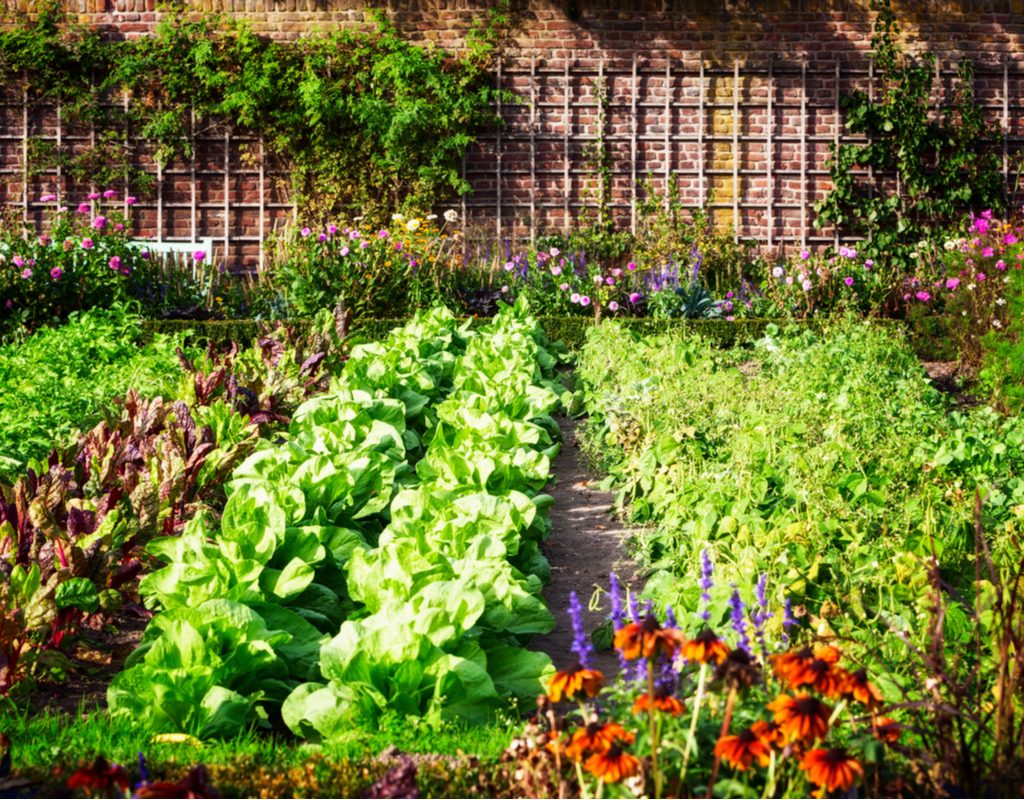
Once the plan is in place, you have only to carry it out. That can be difficult if the weather stays cold or wet or hot, or if life interruptions get in the way. But that’s OK because you’ve made a plan. Skip the earliest crop and go straight to the mid or late season one if needed. Or adjust in some other way. The plan is an educated guide, but feel free to adapt within the season if conditions demand it.
At the end of the growing season, be sure to put the garden to bed before winter. Bare soil is not ideal. Instead, sow a cool weather cover crop like annual ryegrass that will scavenge nutrients and protect soil during the winter and can be tilled the following spring. Review the plot each fall, and use fresh worksheets to make adjustments for the new season. Plotting a seasonal garden can be a tough task at first, but once you’ve done it, you have a valuable tool to use again and again.